
Companion Plants
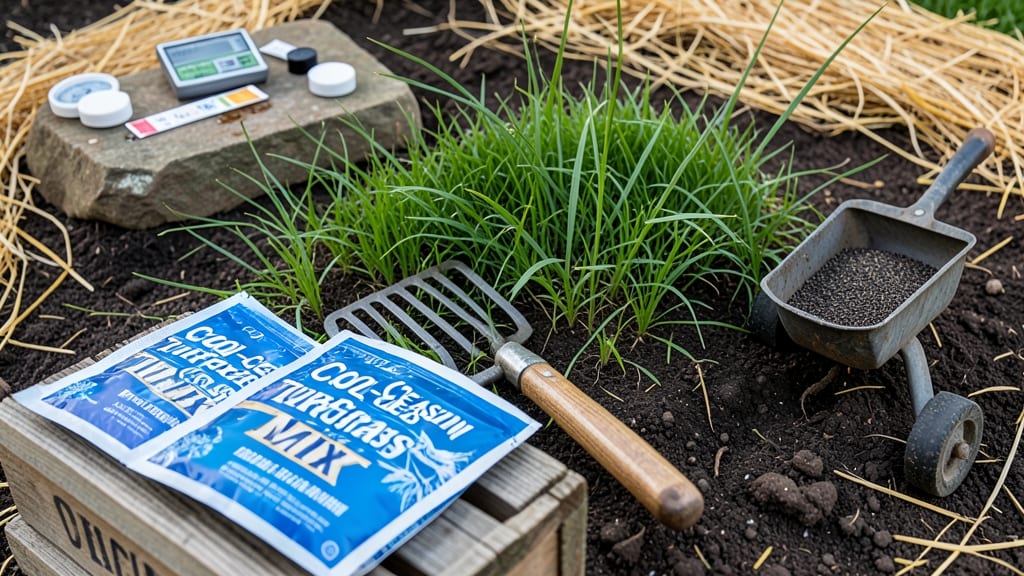
Planting grass seed in Michigan at the wrong time can leave you with thin patches and weak roots—so getting the timing right is the key to a thick, green lawn.
With USDA zones 5b-6b and frost dates that vary from mid-April to mid-October, knowing when to plant makes all the difference for your 🌱 grass.
Most Michigan gardeners swear by early spring or fall planting, but there’s a science to it. Too early, and frost can kill new shoots; too late, and summer heat stresses seedlings.
I’ll break down the best windows—March to April for spring and September to October for fall—plus how to check soil temperatures for perfect germination.
Whether you’re seeding a new lawn or overseeding an existing one, cool-season grasses like Kentucky bluegrass thrive in Michigan’s climate. We’ll cover the ideal varieties for your region and how to adjust for Upper Peninsula vs. southern Michigan conditions.
Ready to avoid patchy lawns and wasted seed? Let’s dive into the exact months, soil prep tips, and weather tricks that’ll give you the lush yard you’ve been dreaming of.
Best planting windows for Michigan grass seed: early spring vs. fall timing
Michigan’s cool-season climate creates two prime windows for planting grass seed: early spring and fall. Both offer ideal conditions for germination, but each has unique advantages depending on your grass type and regional microclimate.
For most Michigan lawns, cool-season grasses like Kentucky bluegrass and tall fescue thrive best during these periods.
In early spring (March–April), soil warms to the perfect 50–65°F range for seed germination, while summer drought and weeds are still months away. Meanwhile, fall planting (September–October) provides 6–8 weeks of warm soil and cool air, allowing grass to establish deep roots before winter dormancy.
Both windows avoid the heat stress of summer planting.
Here’s how Michigan’s USDA zones 5b–6b influence timing: Northern regions (like the Upper Peninsula) should plant 1–2 weeks later than southern areas (e.g., Detroit or Grand Rapids) to account for later frost dates.
For example, southern Michigan can start in early March, while the UP may wait until late April.
The best window depends on your goals: Spring planting is ideal for new lawns to maximize summer growth, while fall planting is better for overseeding to fill thin patches before winter. Both methods require consistent moisture and weed control for success.
| Factor | Early Spring (March–April) | Fall (September–October) |
|---|---|---|
| Soil Temperature | 50–65°F (ideal for germination) | 55–65°F (warm enough for root growth) |
| Frost Risk | Low after last frost (mid-April) | Moderate (plant 4–6 weeks before first frost) |
| Weed Competition | Low (weeds dormant early spring) | Low (cool temps slow weed growth) |
| Water Needs | High (spring rains vary) | Moderate (fall rains often sufficient) |
| Best For | New lawns, aggressive growth | Overseeding, root establishment |
| Michigan Regions | Southern MI: March 1–April 15 Northern MI: April 1–May 1 |
Southern MI: Sept 1–Oct 15 Northern MI: Sept 15–Oct 30 |
If you’re planting in early spring, aim for 1–2 weeks after the last frost date—typically mid-April in southern Michigan and late April in the UP.
Use a soil thermometer to confirm temperatures are above 50°F for 5+ days. This window gives grass 6–8 weeks of growth before summer heat sets in.
For fall planting, target 6–8 weeks before the first frost (usually early October in southern Michigan and mid-October in the UP). This timing ensures grass establishes roots before winter dormancy. Fall-planted grass often greens up faster in spring because of its head start.
Avoid planting in late summer (July–August) unless you’re using warm-season grasses like Bermuda, which aren’t ideal for Michigan’s climate. Cool-season grasses struggle with heat stress and drought during these months, leading to poor germination and weak growth.
Pro tip: If you miss the spring window, don’t wait until summer—fall is your next best option. Many Michigan gardeners overseed in early fall to repair thin lawns and reduce weeds. Just be sure to mow lower before planting to improve seed-to-soil contact.
For northern Michigan (e.g., Traverse City, Marquette), extend your fall window to mid-October if soil remains workable. In southern Michigan (e.g., Ann Arbor, Kalamazoo), you can push spring planting to early May if conditions are right, but germination slows as temperatures rise.
Remember: Consistent moisture is critical in both windows. Use mulch or straw to retain soil moisture and protect young seedlings from drying winds. Whether you choose spring or fall, timing your planting right ensures a thicker, greener lawn with minimal effort.
🌱
How to check soil temperature and weather conditions for perfect grass seed planting
Planting grass seed in Michigan isn’t just about picking a month—it’s about understanding your soil’s readiness. Cool-season grasses like Kentucky bluegrass need soil temperatures between 50–65°F to germinate properly.
If you plant too early, frost can kill seedlings; too late, and summer heat stresses them. I’ll show you how to test your soil’s warmth and avoid common mistakes.
Start by checking your last frost date, which varies across Michigan. Southern regions (like Detroit) average mid-April, while the Upper Peninsula may see frost into early May.
Planting 1–2 weeks after the last frost gives seedlings time to establish before summer heat arrives. But don’t rely on dates alone—soil temperature is the real indicator.
Use a soil thermometer (available for $10–$15) to measure 2–4 inches deep, where seeds will germinate. Aim for 50°F or warmer in spring or 60–65°F in fall.
If your soil is too cold, wait a week or two—patience now saves money later. Pro tip: Test in the late afternoon when soil is warmest.
| Condition | Spring Planting | Fall Planting |
|---|---|---|
| Soil Temp | 50–65°F | 60–65°F |
| Time After Frost | 1–2 weeks | 4–6 weeks before first frost |
| Weather Risk | Late frost | Early frost |
| Best Months | March–April | September–October |
Weather forecasts are your next tool. Avoid planting during heatwaves (above 85°F) or when rainfall is unreliable. Check the 7-day forecast for steady temperatures and minimal rain the first week after seeding—this gives seeds time to sprout without washing away.
In Michigan, spring’s unpredictable weather means waiting for a stable 5-day window without frost warnings.
For DIY soil checks, dig a small hole, add water, and wait 10 minutes. If water drains quickly, your soil is too dry—water it thoroughly before planting.
If it pools, your soil is too compacted; aerate first. pH matters too: Test your soil (kits cost $10) and aim for 6.0–7.0. Adjust with lime (to raise pH) or sulfur (to lower it) 2–4 weeks before planting.
Finally, watch for microclimates in your yard. South-facing slopes warm faster than shady spots, so adjust planting times accordingly. If your lawn has partial shade, choose fine fescue, which tolerates cooler soil better than Kentucky bluegrass.
With these checks, you’ll know exactly when your Michigan soil is ready for seed—no guesswork, just growth.
🌱