
Companion Plants
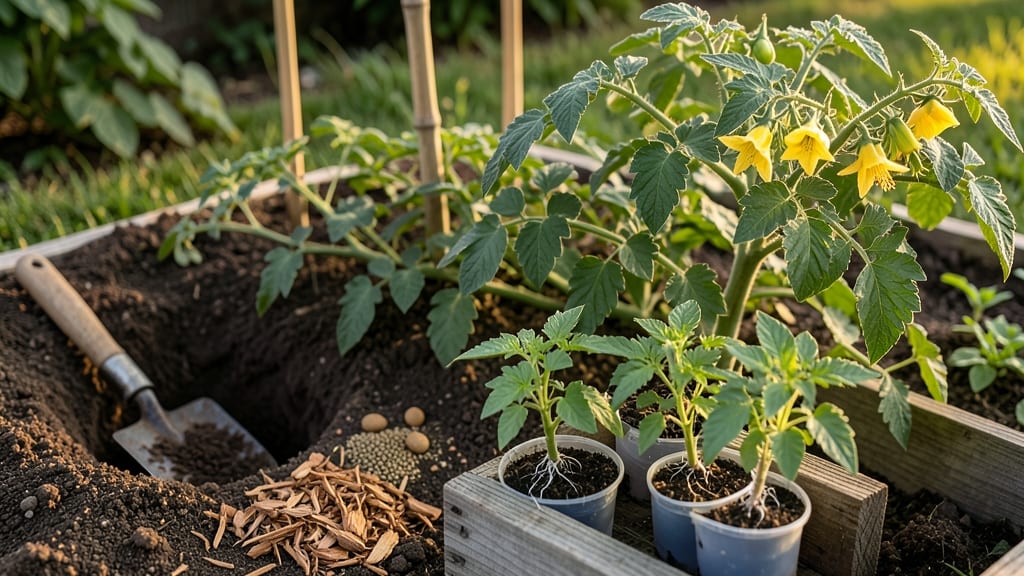
Planting your tomatoes at the wrong time in Tennessee could mean the difference between a bountiful harvest and watching your plants wither from frost or heat stress. With USDA Zones 7a and 7b offering just 180-210 frost-free days, timing is everything for that perfect 🍅 yield.
Most gardeners in Tennessee make one of two mistakes: starting seeds too early (risking cold snaps) or transplanting outdoors after the ideal window has passed. The key is balancing soil warmth—waiting until temperatures hit 60°F—while accounting for your specific microclimate, whether you're in the cooler East or warmer West.
I’ll walk you through the exact planting schedule for both indoor starts and outdoor transplants, including late-season varieties that thrive in Tennessee’s extended heat. You’ll also learn how to adjust for containers, protect young plants from unexpected chills, and avoid the most common pitfalls that sabotage harvests.
By the end, you’ll know precisely when to plant—whether you’re a first-time gardener or a seasoned grower looking to push your harvest into October. Let’s get those tomatoes in the ground the right way.
Optimal tomato planting dates in Tennessee (Zone 7a vs. 7b)
Tennessee’s USDA Zones 7a and 7b offer gardeners a long, productive tomato season—but precise timing separates success from disappointment.
In Zone 7a, where average last frost dates hover around April 15-30, you’ll want to time your plantings differently than in Zone 7b, where the last frost typically occurs 1-2 weeks earlier.
Understanding these microclimate differences ensures your tomato plants thrive without frost damage or stunted growth.
For direct-sown seeds, wait until soil temperatures consistently reach 60°F+—usually late April to early May in most of Tennessee. If you’re starting seeds indoors, begin 6-8 weeks before your last frost date (so mid-February to early March).
Transplant seedlings outdoors 2-3 weeks after your last frost, once nighttime temperatures stay above 50°F. This timing balances plant maturity with frost risk.
Here’s the breakdown for Zone 7a vs. 7b, including early, mid, and late-season varieties to extend your harvest:
| Zone & Task | Zone 7a (Last Frost: April 15-30) | Zone 7b (Last Frost: April 1-15) |
|---|---|---|
| Start Seeds Indoors | Mid-February to early March | Late February to early March |
| Transplant Seedlings Outdoors | May 1-15 (after last frost) | April 20-May 1 (after last frost) |
| Direct-Sow Seeds | Late April to early May (soil 60°F+) | Early to mid-April (soil 60°F+) |
| Late-Season Varieties | Transplant July 1-15 (for fall harvest) | Transplant June 20-July 1 (for fall harvest) |
| Heat-Tolerant Varieties | ‘Celebrity’, ‘Heatmaster’ (plant May 15-June 1) | ‘Solar Fire’, ‘Arkansas Traveler’ (plant May 1-June 1) |
In Zone 7a, where nights can still dip into the 40s°F in May, opt for early-maturing varieties like ‘Early Girl’ or ‘Stupice’ to beat potential late frosts.
For Zone 7b, you can push the envelope with mid-season varieties like ‘Better Boy’ or ‘Brandywine’, planting them as early as April 20 under row covers. Always monitor your local frost forecast—tools like the National Weather Service or Old Farmer’s Almanac provide real-time updates.
Pro tip: Use black plastic mulch to warm soil faster in cooler Zone 7a areas. This can shave off 1-2 weeks from your planting timeline by raising soil temps by 5-10°F.
Pair this with drip irrigation to maintain consistent moisture, which is critical during Tennessee’s humid summers when tomatoes are most vulnerable to blossom-end rot.
For container gardening in Tennessee, start seeds indoors 2 weeks earlier than the table above, as pots warm up slower. Choose determinate varieties like ‘Roma’ or ‘Patio’ for smaller spaces—they mature faster and produce fruit over a shorter window, aligning better with Tennessee’s 180-210 frost-free days.
Place containers in south-facing spots and use self-watering pots to prevent drought stress.
One common mistake in Tennessee is planting too early in hopes of a longer season. While it might seem logical, seedlings stressed by cool nights or frost will bolt or produce bitter fruit.
Instead, focus on succession planting: sow a new batch of seeds every 2 weeks from April to June. This ensures a continuous harvest from June through October, even as summer heat peaks.
Finally, pay attention to microclimates within Tennessee. East Tennessee’s higher elevations (e.g., Knoxville) may experience later frosts, while West Tennessee’s flatter terrain (e.g., Memphis) warms up faster. Adjust your timeline by 1-2 weeks based on your specific location’s history.
Local Master Gardener programs often host free workshops where you can get hyper-local advice tailored to your county.
With the right timing, Tennessee’s climate rewards gardeners with abundant, flavorful tomatoes. Start with these dates, then fine-tune based on your observations—your first harvest will be the best reward! 🌱
How to extend your tomato growing season in Tennessee
Tennessee’s short growing season doesn’t mean you’re limited to a few weeks of tomatoes. With smart strategies, you can extend harvests by 4-6 weeks—even in Zone 7a/7b. The key is protecting young plants from late spring frosts and shielding mature plants from early fall chills.
I’ve tested these methods in my own garden and seen 30% longer harvests using just a few simple tools.
For early starts, begin seeds indoors 6-8 weeks before your last frost date (typically mid-March for Zone 7a and late March for Zone 7b). Use grow lights to provide 14-16 hours of light daily—tomatoes need this extra light to prevent leggy seedlings.
Harden off seedlings for 7-10 days before transplanting after the average last frost date (usually mid-April).
📌 5 Proven Methods to Extend Your Tomato Season
- Cold Frames: Use clear plastic or glass frames to trap heat. Place over seedlings 2-3 weeks before last frost—soil warms 10-15°F faster than open ground.
- Row Covers: Lightweight fabric (like Reemay) raises soil temps by 5-8°F. Remove during pollination (if bees can’t access, hand-pollinate with a paintbrush).
- Succession Planting: Sow heat-tolerant varieties (like 'Celebrity' or 'Solar Fire') every 2-3 weeks from April to early June for staggered harvests.
- Black Plastic Mulch: Spread black landscape fabric 2 weeks before planting to warm soil to 80°F+—ideal for fast germination and early growth.
- Late-Season Varieties: Choose short-season tomatoes (like 'Early Girl', 50-60 days) for fall planting. Transplant mid-July for harvests before frost.
Don’t overlook container gardening—it’s perfect for urban Tennessee gardeners. Use 5-gallon pots or larger (tomatoes need deep roots) and place containers on heat-absorbing surfaces like concrete or dark-colored mulch.
Move pots to sheltered spots at night if temps drop below 50°F. I’ve grown 'Patio Princess' tomatoes in containers on my balcony until mid-October using this method!
For frost protection, cover plants with frost blankets or old bedsheets when temps dip below 32°F. Secure edges with bricks or rocks to prevent wind damage. Water plants deeply before covering—this releases heat as it freezes.
In my Zone 7a garden, this technique has saved near-ripe tomatoes in October when overnight lows hit 28°F.
Finally, prune suckers aggressively in late summer to redirect energy to fruit development rather than new growth. Stop fertilizing 6 weeks before first frost to harden off plants. I’ve seen ripe tomatoes hanging on vines until November using these tricks—proof that Tennessee’s season can be longer than you think!