
Plants
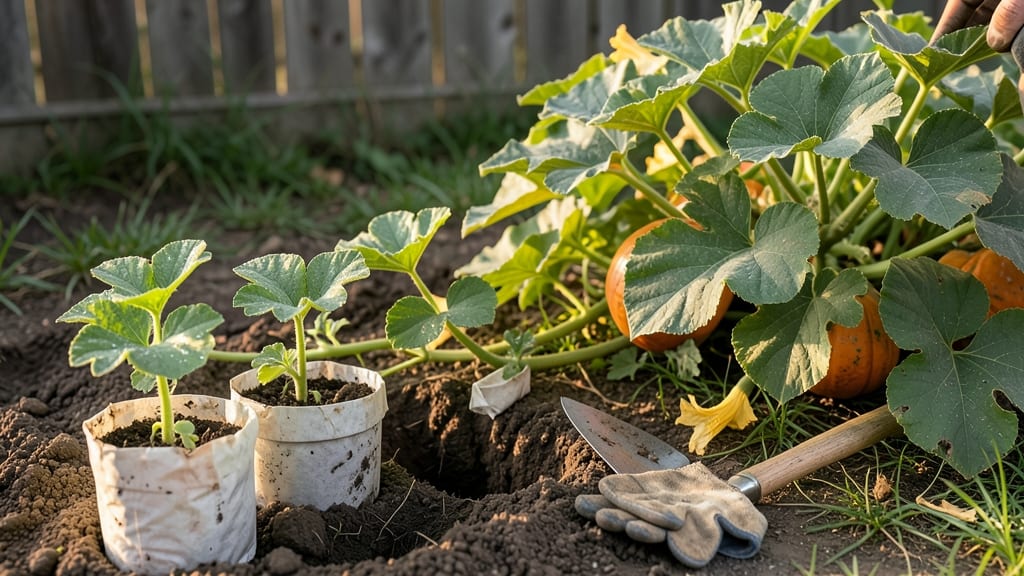
Planting pumpkins in Indiana too early means frost-burned seedlings, while waiting too long risks a short growing season and small harvests. The perfect window—late April to early June—aligns with soil temperatures of 60-90°F and your last frost date, but Indiana’s 5b-6b zones add extra layers to consider.
I’ve grown 🎃 pumpkins in Indiana for years, and the key isn’t just the calendar—it’s understanding how humidity and heat waves can push your planting timeline earlier or later. Whether you’re in northern Indiana’s cooler pockets or southern areas with longer summers, small adjustments make all the difference.
This guide cuts through the guesswork by breaking down exact soil temps, frost-free timelines, and variety recommendations tailored to your region. You’ll learn when to start seeds indoors, how to prep soil for maximum yield, and even how to salvage a late start.
Skip the trial-and-error—let’s get your pumpkins off to the best possible start, so you’re carving (or baking!) by October with confidence.
Indiana pumpkin planting calendar: frost dates, soil temps & best months
Indiana’s USDA zones 5b-6b create a unique challenge for pumpkin growers—cool springs and warm summers demand precise timing. The average last frost date is April 15, but northern Indiana (like Lake County) can see frost as late as May 1.
Southern Indiana (like Clark County) typically warms up faster, giving you a 2-week advantage for early planting.
Pumpkin seeds need soil temperatures between 60-90°F to germinate properly. In Indiana, this usually aligns with late April to early June, but soil thermometers are your best friend—wait until the ground consistently reads 65°F before planting.
Cold soil slows germination and invites fungal diseases like damping-off, which can wipe out seedlings overnight.
For traditional pumpkin varieties (like 'Jack Be Little' or 'Howden'), aim to plant 2-3 weeks after your last frost date. These varieties mature in 75-90 days, so you’ll want them in the ground by mid-May at the latest to harvest before the first frost around October 15.
Giant pumpkin varieties (like 'Atlantic Giant' or 'Big Moon') need 100+ days, so start them 4-6 weeks earlier—around late April—for maximum growth potential.
🎃 Indiana Pumpkin Planting Timeline
| Month | Soil Temp | Action | Notes |
|---|---|---|---|
| Late March | 45-55°F | Start seedlings indoors | Only for giant varieties |
| Late April | 60-70°F | Direct sow giant pumpkins | Use row covers if frost risk |
| Mid-May | 70-80°F | Plant traditional varieties | Best for jack-o'-lanterns |
| June | 80-90°F | Final planting window | Risk of bolting (early flowering) |
| Late Sept-Oct | 50-65°F | Harvest before frost | Cure pumpkins for storage |
Northern Indiana gardeners should prioritize early-maturing varieties like 'Autumn Gold' or 'Small Sugar' to avoid early fall frosts. These varieties can handle shorter growing seasons (as few as 75 days) and still produce 3-5 lb pumpkins.
In southern Indiana, you’ve got more flexibility to grow larger varieties like 'Cinderella' or 'Jarrahdale', which thrive in the warmer, longer summers and can reach 10+ lbs each.
Indiana’s humidity levels (especially in July-August) can stress pumpkin vines, so spacing is critical. Give each hill 4-6 feet of space in all directions to improve air circulation and reduce powdery mildew risk.
If you’re growing in containers or raised beds, opt for bush varieties like 'Minnesota Crookneck'—they spread only 6-12 feet instead of the 20-40 feet of standard vines.
Pro tip: Use a soil thermometer to track daily temperatures—Indiana’s spring can swing from 40°F nights to 80°F days in a single week. Plant in the afternoon when soil is warmest to give seeds the best chance at quick germination.
If you’re in Zone 5b (northern Indiana), consider using black plastic mulch to warm the soil 5-10°F faster than bare ground.
For giant pumpkin enthusiasts, Indiana’s climate is perfect for record-breaking sizes—just plant 4-6 weeks early and monitor soil moisture closely. Giant pumpkins need consistent watering (1-2 inches per week) and rich, well-draining soil with a pH of 6.0-6.8.
Amend your soil with compost and aged manure before planting to give those vines the nutrients they crave.
Remember: Indiana’s 160 frost-free days are your golden
How to time your pumpkin planting for maximum yield: seedlings vs. direct sowing
Indiana’s short growing season means every day counts when planting pumpkins. Your choice between seedlings or direct sowing can make or break your harvest. For maximum yield, I recommend starting with seedlings if you want a head start—especially in northern Indiana where springs are cooler.
If you opt for direct sowing, wait until soil temperatures hit 60°F or warmer—typically late May in most of Indiana. This timing reduces frost risk and gives vines time to establish before summer heat arrives.
For seedlings, start indoors 2-3 weeks before your last frost date (usually mid-April for southern Indiana, late April for northern areas).
📋 Step-by-Step Planting Guide
- 🌱 Start seedlings indoors (4-6 weeks before last frost) in biodegradable pots to avoid transplant shock.
- 🌡️ Harden off seedlings 1 week before transplanting by placing them outside in partial shade for 2-3 hours daily.
- 📍 Transplant seedlings after soil warms to 60°F+, spacing hills 4-6 feet apart with 3-4 seeds per hill.
- 🌱 Direct sow seeds after last frost (usually late May) when soil is 65°F+, planting 1 inch deep in hills.
- 💧 Water deeply at planting and keep soil consistently moist (not soggy) for first 2 weeks.
For giant pumpkin varieties like Atlantic Giant, I suggest starting seedlings indoors by March 15—they need 120+ days to mature. Smaller varieties like Jack Be Little can be direct-sown as late as early June and still produce a harvest before frost.
Pro tip: Use black plastic mulch to warm soil faster and suppress weeds. This is a game-changer in Indiana’s cool, humid climate. Mulch also helps retain moisture, which is critical during flowering and fruiting stages when pumpkins need the most water.
If you’re in urban Indiana with limited space, consider container growing. Use large pots (at least 5 gallons) and dwarf varieties like Minnesota Freckles. Just ensure containers have drainage holes and you’re watering daily during heatwaves.
Remember, transplant shock is a real threat—pumpkin seedlings hate being moved. If you start indoors, avoid overcrowding and use lightweight pots to minimize root disturbance. For direct sowing, wait for warm soil—cold ground slows germination and invites disease.