
Plants
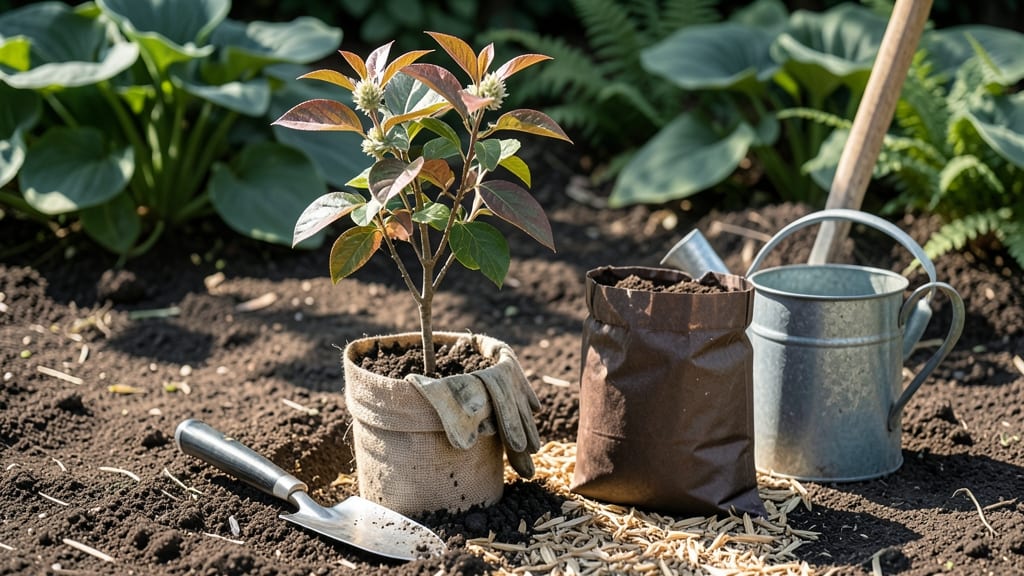
Planting a dogwood tree 🌳 in fall can set the stage for stunning spring blooms—but get the timing wrong, and your tree might not survive the winter.
The key is planting 4 to 6 weeks before the first hard frost, when soil stays warm enough for roots to establish but cool enough to avoid stress.
In USDA Zone 6a, that sweet spot falls between late September and early November, giving your dogwood time to settle before dormancy. Cooler fall temperatures actually work in your favor—they reduce transplant shock and help roots grow stronger before winter hits.
Not all dogwood varieties thrive on the same schedule, though. Some need 600+ chill hours to bloom properly, while others adapt better to milder winters.
I’ll break down exactly how to match your tree’s needs with your local frost dates—so you can avoid common mistakes like planting too late or too early.
Ready to plant with confidence? Let’s dive into the perfect fall planting window, soil prep tips, and post-planting care to ensure your dogwood tree not only survives but thrives for years to come.
Optimal fall planting windows by USDA zone & chill-hour requirements
Planting your dogwood tree in fall means timing it 4-8 weeks before the first hard frost. This window lets roots establish without winter stress. But the exact date depends on your USDA zone and the chill-hour needs of your variety.
For example, Cornus florida needs 600-900 chill hours, while Cornus kousa thrives with 400-700 chill hours. Matching these requirements ensures vibrant spring blooms.
In USDA zones 5-7, aim for late September to early November. Zones 8-10 can plant until mid-November, as frost arrives later. Check your local last frost date—planting too late risks shallow roots freezing before dormancy sets in.
For instance, in zone 6a, where I garden, I plant by October 15 to avoid winter stress.
Soil temperature is your best guide: roots need 45–60°F soil to grow. Use a soil thermometer to confirm readiness. In cooler zones, wait until after the first light frost—this signals the tree’s natural dormancy cycle.
Warmer zones can plant earlier, but avoid extreme heat or drought, which stresses young roots.
Dogwood varieties also influence timing. Pacific dogwood (Cornus nuttallii), native to the Pacific Northwest, prefers cooler fall soils and thrives when planted in October. Meanwhile, Kousa dogwood, with its lower chill-hour needs, can handle slightly later plantings in zones 7-9.
Always check your specific variety’s cold hardiness label.
Regional microclimates add complexity. Urban areas with heat islands may need earlier plantings, while rural spots with colder nights should delay. For example, Chicago (zone 5b) gardeners plant by October 1, while Atlanta (zone 7b) can extend to November 15.
Use your local cooperative extension service for hyper-local advice.
Pro tip: Container-grown dogwoods plant best in fall or early spring. Their roots are already established, so they handle transplant shock better. Bare-root trees, however, need immediate watering and mulching to prevent desiccation. I always soak container roots for 10 minutes before planting to reduce shock.
🌳 Dogwood Fall Planting Guide by USDA Zone
| Zone | Ideal Planting Window | Soil Temp Goal (°F) | Chill Hours Needed | Key Varieties |
|---|---|---|---|---|
| Zones 3–5 | Late August–September 30 | 45–55°F | 600–900 | Cornus florida, 'Cherokee Brave' |
| Zones 6–7 | September 15–October 15 | 50–60°F | 400–700 | Cornus kousa, 'Milky Way' |
| Zones 8–9 | October 1–November 15 | 55–65°F | 200–500 | Cornus nuttallii, 'Pacific Giant' |
| Zones 10–11 | November–December (avoid frost) | 60–70°F | 0–200 | Cornus capitata, 'Dwarf Tibetan' |
Note: Adjust for microclimates (e.g., urban heat islands may need earlier plantings).
Mistakes happen when gardeners ignore local frost dates. I once planted a dogwood in mid-November in zone 6a, and the roots froze before dormancy. The tree survived but struggled for two years to recover.
Always cross-check with your local weather service or planting calendars from trusted sources like the National Gardening Association.
Another critical factor is root flare exposure. Dogwoods hate having their root crown buried too deep—this causes rot. When planting, ensure the root flare (where roots meet trunk) sits 1–2 inches above soil level.
In fall, cooler temps help prevent this common mistake, but always double-check after planting.
For container-grown dogwoods, remove the pot and loosen roots if circling. This encourages outward growth. Water deeply immediately after planting—aim for 1–1.5 gallons for small trees, more for larger ones. Use a root stimulator if your soil
Optimal fall planting windows by USDA zone & chill-hour requirements
Fall planting gives dogwood trees a 6-8 week head start before winter dormancy, but timing depends on your USDA hardiness zone and the chill-hour needs of your variety. Most dogwoods, like the classic Cornus florida, require 600-900 chill hours—a key factor in fall planting success.
In zones 5-7, aim to plant 4-6 weeks before the first hard frost. For example, if your last frost date is November 15, plant by late September to early October.
In zones 8-10, extend your window to October through November, as milder winters allow later root establishment.
| USDA Zone | Chill Hours Needed | Ideal Planting Window | Soil Temp Goal |
|---|---|---|---|
| 3-4 | 300-500 | Late October - November | 50-60°F |
| 5-6 | 600-900 | Late September - Early October | 45-55°F |
| 7-8 | 400-700 | October - Mid-November | 50-65°F |
| 9-10 | 200-400 | November (before rains) | 55-65°F |
Check your local frost dates and soil temperature—roots need 45-60°F soil to establish. Use a soil thermometer to confirm. If temps drop below 40°F, roots can suffer frost damage, even if the air stays above freezing.
For northern climates (zones 3-4), opt for cold-hardy varieties like Cornus stolonifera (red-osier dogwood) and plant as late as October. These varieties handle shorter growing seasons better due to lower chill-hour needs.
Pro tip: Plant bare-root dogwoods in fall—they establish 30% faster than container-grown trees. Just soak roots in water for 1-2 hours before planting to revive them.
Always verify your local microclimate. Urban areas can be 2-5°F warmer than rural zones, delaying frost. Use USDA Plant Hardiness Zone Map and check local weather forecasts for 10-day predictions.