
Planting
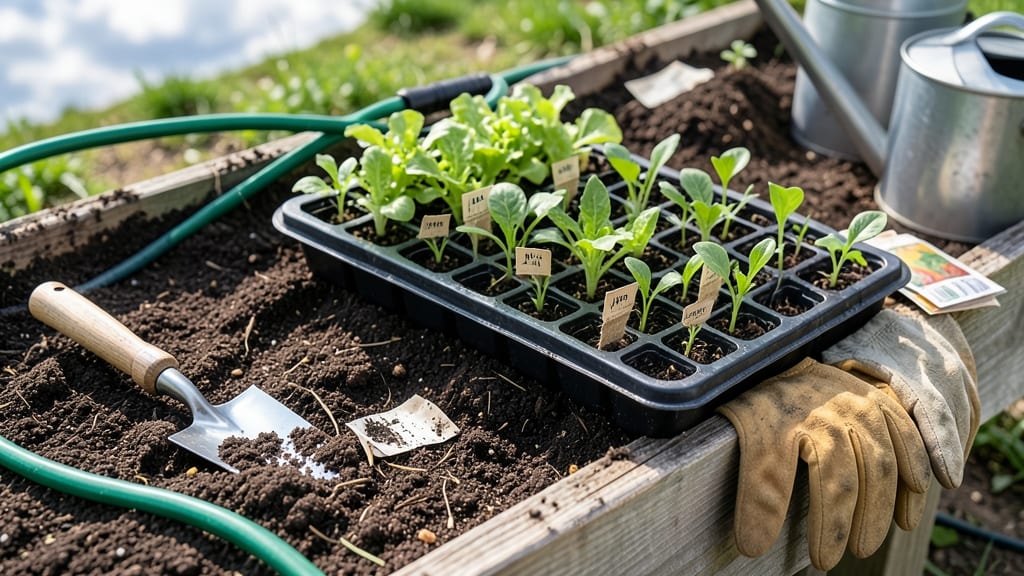
Timing your vegetable garden 🥕 planting in New York isn’t just about following a calendar—it’s about outsmarting the state’s wild swings from frost pockets in the Adirondacks to NYC’s urban heat islands. Plant too early, and your seedlings could turn into crispy snacks; too late, and you’ll miss peak harvests.
The secret lies in knowing exactly when to start seeds or transplant based on your hardiness zone and microclimate.
Whether you’re in Zone 5a where frost lingers until May or Zone 7b with longer growing seasons, the right window makes all the difference.
Cool-season crops like spinach and peas can handle early April soil, while tomatoes and peppers need to wait until after your last frost—usually mid-April in NYC but weeks later in upstate regions. Even a 2-week delay can mean the difference between a bountiful harvest and a sad, stunted plant.
This guide cuts through the guesswork with zone-specific deadlines, succession planting tips, and urban vs. rural adjustments. Learn how to stretch your growing season with row covers, when to direct-sow vs. start indoors, and which varieties thrive in your corner of New York.
No more wasted seeds or missed harvests—just a garden that works as hard as you do.
Ready to turn your backyard into a produce powerhouse? Let’s dive into the precise planting schedule that’ll have your vegetable garden 🥕 flourishing from spring to fall—no matter where in New York you’re growing.
New York planting deadlines by USDA hardiness Zone (zones 5-7)
New York spans USDA Zones 5-7, creating dramatic differences in planting timelines. A Zone 5 garden in the Adirondacks faces late last frosts (May 15), while Zone 7 Long Island can plant tomatoes as early as April 1.
These variations mean your microclimate—whether urban, suburban, or rural—dictates your success.
For cool-season crops like spinach or peas, start seeds 4-6 weeks before your last frost date. Warm-season favorites (tomatoes, peppers) need soil temperatures above 60°F and should wait until 2-4 weeks after your last frost.
My Zone 6 garden in Syracuse plants lettuce in early April but waits until mid-May for basil.
Here’s how to align your planting with New York’s zones—including adjustments for urban heat islands and frost pockets that can shift deadlines by weeks.
Your last frost date is the critical benchmark, but soil temperature matters just as much. Use a soil thermometer to confirm warm-season crops like peppers (need 70°F+ soil) are ready. In Zone 5, I’ve seen peppers bolt when planted too early—even if frost risk is gone.
For fall planting, aim to harvest before first frost. In Zone 6, that means planting broccoli by July 15 for a September–October harvest. Use row covers to extend the season by 2–4 weeks in cooler microclimates like the Hudson Valley.
Pro tip: Succession planting every 2 weeks ensures a continuous harvest. For example, sow bush beans in Zone 6 on May 1, May 15, and June 1 for staggered maturity. This works for lettuce, radishes, and carrots too.
If you’re in Zone 7 (like NYC), leverage your longer growing season by planting heat-tolerant varieties like ‘Solar Fire’ peppers or ‘Black Krim’ tomatoes. These thrive in urban heat and push harvests into late October.
Remember: Microclimates rule. A north-facing urban plot may need 3 weeks later planting than a south-facing rural garden just miles away. Observe your space for 1–2 years to refine your timeline.
Best vegetables to plant now in New York (by month & variety)
If you’re wondering what to plant now in your New York vegetable garden, timing is everything. The best months to plant depend on whether you’re growing cool-season crops (like spinach and peas) or warm-season favorites (like tomatoes and peppers).
Right now, late spring through early summer is prime time for warm-season crops, while fall offers a second chance for cool-season greens.
For Zone 6 and 7 gardeners, late May to early June is ideal for transplanting tomatoes, peppers, and eggplants—just after your last frost. In Zone 5, wait until early June to avoid late frosts.
Meanwhile, quick-growing crops like bush beans and cucumbers can be direct-sown as soon as soil warms to 60°F. Don’t miss the window!
| Month | Vegetable | Variety Tips | Planting Method |
|---|---|---|---|
| May | Spinach, Peas, Lettuce | ‘Bloomsdale Longstanding’ spinach; ‘Sugar Snap’ peas | Direct sow |
| June | Tomatoes, Peppers, Eggplant | ‘Early Girl’ tomatoes; ‘Jalapeño’ peppers | Transplant seedlings |
| July | Bush Beans, Cucumbers, Squash | ‘Blue Lake’ beans; ‘Straight Eight’ cucumbers | Direct sow or transplant |
| August | Kale, Radishes, Carrots | ‘Winterbor’ kale; ‘Cherry Belle’ radishes | Direct sow for fall harvest |
Pro tip: Use succession planting to keep your garden productive. For example, sow bush beans every 2 weeks from June to July for a continuous harvest. Similarly, lettuce and spinach can be replanted in late summer for a fall crop.
This strategy maximizes your space and ensures you’re always eating fresh from your garden.
Don’t overlook heat-tolerant varieties like ‘Heatmaster’ okra or ‘Black Krim’ tomatoes, which thrive in NYC’s urban heat islands. If you’re in Zone 5, opt for faster-maturing varieties (e.g., ‘Early Girl’ tomatoes) to beat the first frost.
With the right choices, you’ll enjoy homegrown veggies from June through October—or even later with row covers!
Ready to start? Grab your seeds, mark your calendar, and get planting! The best time to plant is now, before the summer heat peaks. Just remember: cool crops early, warm crops after frost, and always check soil temps to avoid disappointment.