
Planting
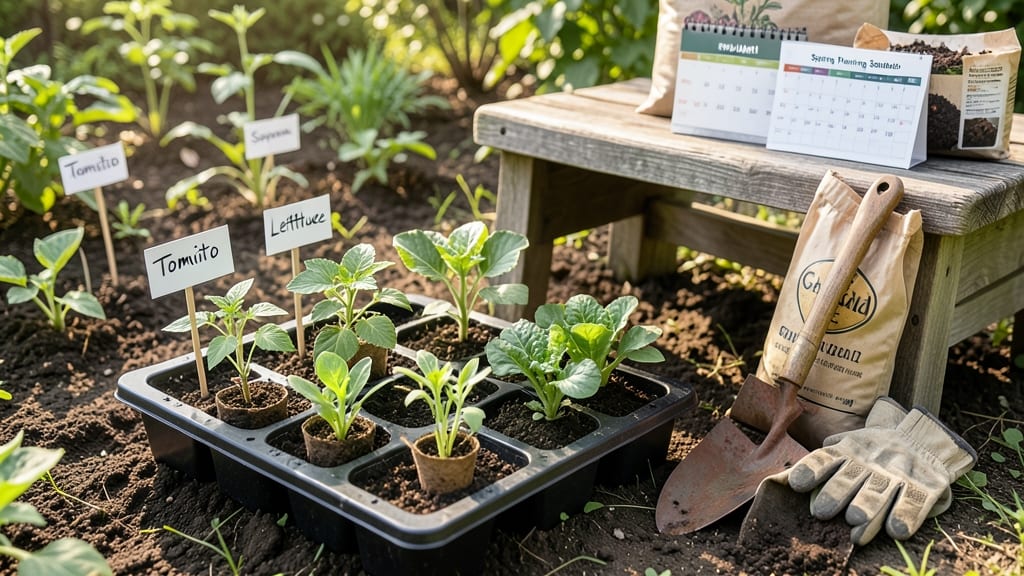
Planting a 🌱 vegetable garden in Oklahoma isn’t just about throwing seeds in the dirt—it’s about working with the state’s unpredictable weather to maximize your harvest.
Whether you’re dreaming of juicy tomatoes or crisp lettuce, getting the timing right makes all the difference between a thriving garden and a disappointing one.
Oklahoma’s USDA Zones 6b-8a mean you’ve got two prime windows to plant: late winter through early spring and early fall.
But with last frost dates ranging from mid-March in the south to late April in the north, knowing exactly when to start is the key to avoiding frost damage or stunted growth.
In this guide, I’ll break down the best months for both spring and fall planting, including which crops thrive in Oklahoma’s heat and how to adjust for your specific microclimate.
You’ll learn how to time your plantings perfectly—whether you’re starting seeds indoors or sowing directly into the soil—to ensure a bountiful harvest from April through November.
Ready to turn your Oklahoma garden into a year-round success? Let’s dive into the exact planting schedule and pro tips that will keep your 🌱 vegetable garden thriving, no matter what Mother Nature throws your way.
Oklahoma planting zones & best months for spring vegetables (zone 6b-7a guide)
Oklahoma’s USDA Hardiness Zones 6b-7a create a unique growing window where spring vegetables thrive if planted at the right time. The average last frost date is March 15, but this shifts earlier in southern Oklahoma (like Lawton) and later in the north (like Oklahoma City).
Warm-season crops like tomatoes and peppers need soil temps above 60°F to germinate—so don’t rush them!
Cool-season crops (like lettuce and spinach) can handle light frosts, but warm-season crops (tomatoes, squash) will bolt or fail if planted too early. My rule?
Start cool crops 4-6 weeks before last frost and warm crops 2-3 weeks after. This balances risk and reward for Oklahoma’s unpredictable spring weather.
| Vegetable | Planting Window | Soil Temp | Days to Harvest | Oklahoma Tip |
|---|---|---|---|---|
| Lettuce | Feb–March (direct sow) | 40–50°F | 30–50 days | Use row covers for late frosts |
| Tomatoes | April–May (after last frost) | 60–65°F | 60–85 days | Choose heat-tolerant varieties like 'Celebrity' |
| Peppers | April–May (start indoors) | 70–80°F | 70–90 days | Use black plastic mulch to warm soil |
| Green Beans | April–June (succession plant) | 55–65°F | 50–60 days | Plant near corn for trellis support |
| Squash | May–June (after soil warms) | 65–75°F | 45–60 days | Use straw mulch to prevent rot |
For northern Oklahoma (Zone 6b), like Oklahoma City, wait until mid-April for warm crops, while southern Oklahoma (Zone 7a), like Tulsa, can start 2 weeks earlier. Always check your local frost dates—the Oklahoma Mesonet website is my go-to for real-time updates.
If you’re starting seeds indoors, begin tomatoes and peppers 6–8 weeks before last frost (so late January for most of Oklahoma). Use grow lights if natural light is weak—my seedlings stretch like tall, leggy ghosts without enough light!
Pro tip: Test your soil temperature with a soil thermometer before planting warm-season crops. If it’s below 60°F, wait—even if the calendar says it’s spring. Slow germination leads to weak seedlings, and nobody wants that!
Don’t forget succession planting for crops like lettuce and radishes. Sow every 2 weeks from February through April to avoid bolting (when plants flower prematurely). This keeps your harvest steady all summer.
For container gardening, warm-season crops like peppers and eggplants thrive in pots but need larger containers (5+ gallons). Place them in south-facing spots where they get full sun—even balconies work if they’re sunny enough!
My biggest lesson? Oklahoma’s spring is a gamble. One week can bring 60°F sunshine, and the next, 30°F frost. That’s why I always keep row covers and frost cloth handy. They’re your secret weapons for extending seasons.
Fall planting schedule for Oklahoma’s cool-season vegetables (avoiding early freezes)
Fall planting in Oklahoma is your secret weapon for a second harvest before winter sets in. With average first frost dates between October 15 and November 15, timing is everything.
Cool-season crops like broccoli, carrots, and kale thrive in Oklahoma’s mild fall temperatures, but you’ll need to act fast to beat the frost.
Start by planting hardy greens and root vegetables like spinach and radishes in late August. These fast growers can mature before the first frost, giving you an early harvest.
For slower growers like broccoli and cabbage, begin transplanting in early September to ensure they reach maturity before cold snaps arrive.
Oklahoma’s USDA Zones 6b-7a mean you’ve got flexibility, but don’t wait too long. If you plant too late, your crops might bolt (flower prematurely) or suffer from frost damage. Use row covers or cold frames to extend the season and protect tender plants from unexpected chills.
🌱 Fall Planting Comparison Table for Oklahoma
| Vegetable | Planting Window | Days to Maturity | Pro Tip |
|---|---|---|---|
| Spinach | Late August - Early September | 30-50 days | Direct sow after soil temps drop below 80°F |
| Broccoli | Early September | 60-80 days | Use transplants for faster growth |
| Carrots | Late August - Mid-September | 60-70 days | Loosen soil to prevent forking |
| Kale | Mid-September | 50-60 days | Cold weather sweetens leaves |
| Radishes | Late August - Early October | 25-30 days | Sow every 2 weeks for continuous harvest |
Don’t forget about succession planting—this technique lets you stagger plantings every 2-3 weeks for a continuous harvest. For example, sow a batch of radishes or lettuce every week in September to enjoy fresh greens all the way until frost.
To maximize your fall garden, prep your soil in late summer by adding compost and organic matter to improve drainage and fertility. Oklahoma’s clay-heavy soils can become compacted, so aerate before planting to give roots room to grow.
With the right timing and a little protection from early frosts, your fall garden can be just as productive as your spring planting. Start early, keep an eye on weather forecasts, and enjoy the rewards of a second harvest season!