
Planting
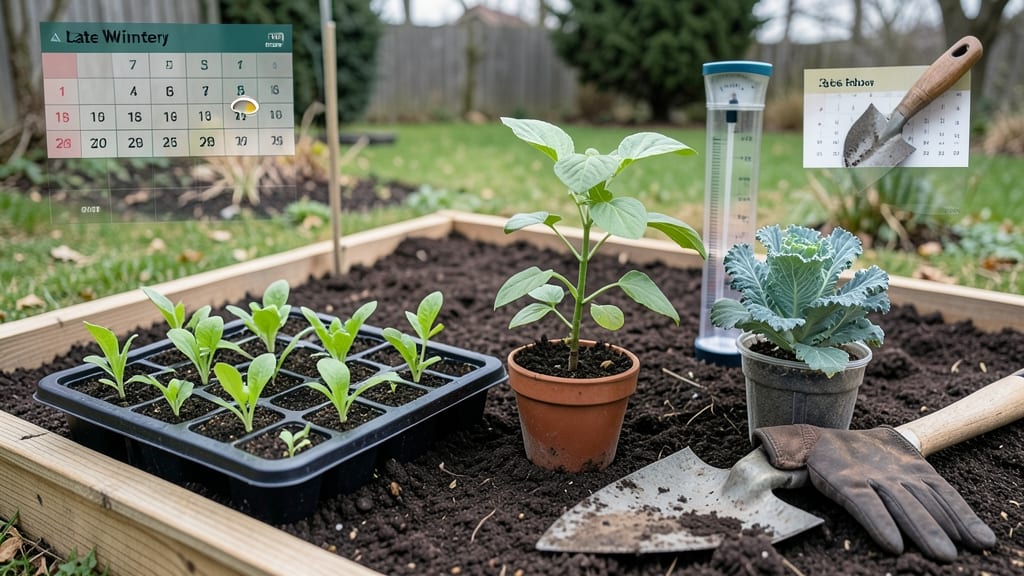
Timing when to plant a vegetable garden in Seattle isn’t just about the calendar—it’s about mastering the coastal vs. inland dance between rain and sun. Plant too early, and frost will nip your seedlings in the bud; too late, and summer heat arrives before your tomatoes even think about ripening.
Most gardeners here swear by mid-March to early June for spring planting, but that’s just the starting line. The real magic happens in understanding how Seattle’s microclimates—like the cooler, wetter coastal areas versus the warmer inland zones—shift those windows by weeks.
Get this right, and you’ll enjoy fresh peas in May and zucchini by July; get it wrong, and you’ll be chasing ghosts of crops lost to weather whiplash.
I’ve spent years testing what works in my own Seattle garden, and the secrets aren’t just about dates—they’re about soil prep, succession planting, and knowing when to huddle crops under row covers.
Whether you’re a first-timer or a veteran gardener, these insights will help you turn Seattle’s tricky climate into your vegetable garden’s superpower.
Let’s break down the exact planting windows, crop-by-crop, so you can finally stop guessing and start growing with confidence. Your future harvest is waiting—no more lost seasons!
Seattle’s coastal vs. inland planting zones: key differences and exact dates
Seattle’s unique microclimates create a gardening puzzle—coastal areas stay cooler and wetter longer, while inland zones bake faster in summer. Understanding these differences is the key to avoiding frost damage or heat stress in your vegetable garden.
For example, Ballard (coastal) might still see frost in early April, while Redmond (inland) could be planting tomatoes by mid-May.
Both regions fall under USDA Hardiness Zones 7b-8a, but the last spring frost varies by 1-2 weeks between coastal and inland areas.
Coastal Seattle typically hits its average last frost date around March 25, while inland areas like Kenmore or Carnation often see their final frost by April 10. This shift means your planting schedule could differ by 30 days depending on location.
🌱 Seattle Planting Zone Comparison
| Factor | Coastal Seattle (Ballard, West Seattle) | Inland Seattle (Redmond, Kenmore) |
|---|---|---|
| Last Spring Frost | March 25 | April 10 |
| First Fall Frost | November 5 | October 25 |
| Soil Warms to 50°F | Late April | Early April |
| Ideal Spring Planting Window | April 15 - May 15 | April 1 - May 10 |
| Fall Planting Window | July 20 - August 20 | July 10 - August 15 |
| Summer Heat Stress Risk | Low (cooler nights) | High (hotter days) |
Note: Elevation changes of just 200 feet can shift frost dates by 5-7 days.
Soil temperature is another critical factor. Warm-season crops like tomatoes and peppers need soil at 50°F or warmer to germinate. In coastal areas, this typically happens around late April, while inland soils may reach this threshold by early April.
For cool-season crops like kale or peas, you can start seeds as early as mid-March in both zones, but use row covers in coastal areas to protect against late frosts.
Inland Seattle’s warmer days and cooler nights create a unique challenge: heat stress in summer. While coastal areas might handle zucchini or cucumbers without issue, inland gardeners often need to provide afternoon shade for these heat-sensitive plants.
Conversely, coastal gardeners can push fall crops like spinach into late October, while inland gardeners should wrap up by mid-October to avoid frost.
For urban gardeners in between, areas like Green Lake or Beacon Hill often experience a mix of both climates. Start by observing your local microclimate patterns for at least two years—note when your neighbor’s tomatoes ripen or when frost hits your patio plants.
This local data will help you fine-tune your planting schedule beyond the general guidelines.
One pro tip: Succession planting works beautifully in Seattle’s climate. For example, plant bush beans in early May (coastal) or late April (inland), then follow with another round in early June to extend your harvest through September.
This strategy maximizes your garden’s productivity while accounting for Seattle’s unpredictable weather shifts.
If you’re new to Seattle gardening, consider starting with cold-hardy crops like kale, spinach, and carrots—they’re forgiving and give you confidence as you learn your local planting windows. For warm-season crops, wait until after Mother’s Day weekend (when soil temperatures reliably warm up) to avoid disappointment.
And always keep a frost watch handy from October onward.
Seattle’s rainy springs can delay planting, so prepare your soil in February by adding compost and organic matter to improve drainage. This gives your garden a head start once the weather cooperates.
Remember, the 10-day forecast is more useful than the monthly average when planning your planting schedule—Seattle’s weather can shift dramatically even within a single season.
For precise local data, check resources like the University of Washington’s Master Gardener Program or Almanac.com’s Seattle frost charts. These tools provide hyper-local insights that can help you adjust your planting dates by 1-2 weeks based on your specific neighborhood.
With the right timing, you’ll enjoy a continuous harvest from May through November—no matter where you garden in the Emerald City.
Best vegetables to plant in Seattle by season: coastal and inland-specific lists
Seattle’s microclimates mean your coastal neighbor’s thriving kale might be struggling in your inland yard. The coastal zone (like West Seattle or Bainbridge Island) stays cooler and wetter, while inland areas (like Redmond or Kenmore) experience warmer days and colder nights.
This difference shifts planting windows by 2-4 weeks, so let’s match crops to your specific zone.
For coastal Seattle, start leafy greens like spinach and kale in late February—they’ll bolt if planted too early. Inland gardeners can wait until mid-March for the same crops. Root vegetables like carrots and beets thrive in both zones but need consistent moisture during Seattle’s unpredictable spring rains.
🌱 Seattle Planting Guide by Season & Zone
| Season | Coastal Zone | Inland Zone | Companion Plant |
|---|---|---|---|
| Early Spring (Feb-Mar) | Spinach, Kale, Peas, Lettuce | Spinach, Kale, Radishes, Arugula | Carrots + Onions |
| Late Spring (Apr-May) | Broccoli, Cabbage, Beets, Potatoes | Broccoli, Cabbage, Beets, Potatoes | Tomatoes + Basil |
| Summer (Jun-Aug) | Tomatoes, Peppers, Zucchini, Bush Beans | Tomatoes, Peppers, Zucchini, Cucumbers | Cucumbers + Radishes |
| Fall (Sep-Oct) | Carrots, Lettuce, Spinach, Garlic | Carrots, Lettuce, Spinach, Green Onions | Garlic + Thyme |
💡 Pro Tip: Coastal areas can plant warm-season crops like tomatoes 2 weeks earlier than inland zones.
Warm-season tomatoes and peppers are trickier—they need soil temps above 60°F. Inland areas hit this mark by late May, while coastal gardeners might wait until early June. Succession planting is key: Sow bush beans every 2 weeks from May to July for continuous harvests.
Don’t overlook fall crops! Coastal zones can plant garlic and spinach as late as October 15, while inland areas should finish by October 1. Brussels sprouts love Seattle’s cool fall weather—start them in late July for a December harvest.
For urban gardeners, container-friendly crops like bush beans, radishes, and lettuce thrive in both zones. Just ensure containers have drainage holes to prevent Seattle’s overly wet springs from drowning roots. Dwarf varieties of tomatoes and peppers are perfect for balconies.
Test your soil’s pH and nutrients before planting—Seattle’s acidic soil often needs lime or compost. Aim for a pH of 6.0-7.0 for most vegetables. Mulch heavily in spring to retain moisture and suppress weeds during Seattle’s unpredictable rain patterns.
Your harvest timeline will vary: Coastal gardeners might enjoy peas in May and zucchini in July, while inland gardeners could see tomatoes ripening in August. Plan ahead by starting seeds indoors 4-6 weeks before outdoor planting dates.