
Planting
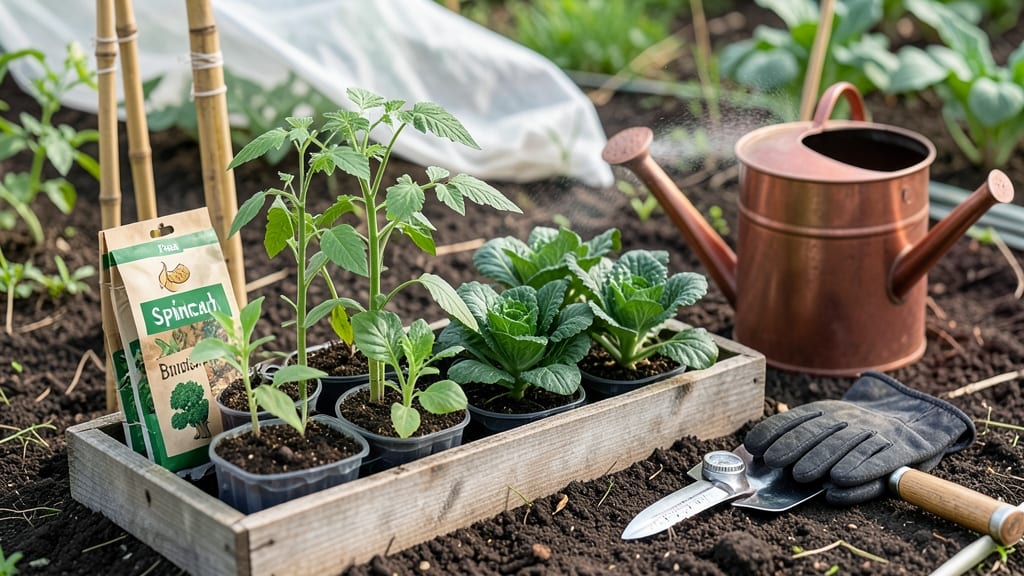
Timing when to plant a vegetable garden in New Brunswick can make or break your harvest—especially when frost dates shift unpredictably between regions. Whether you're in Fredericton or Saint John, planting too early risks frozen seedlings, while waiting too long cuts your growing season short.
The key lies in knowing your last frost date and adjusting for microclimates that can add 2-3 weeks of warmth to coastal areas.
Most gardeners here follow the rule: cool-season crops like spinach and peas go in 4-6 weeks before the average last frost (mid-May), while tomatoes and peppers wait until 2-3 weeks after.
But with New Brunswick's USDA Zone 5b climate, even a week's delay can mean the difference between a thriving garden and a sad, bolted lettuce patch.
I’ll break down the exact planting windows for your region—plus how to stretch your season with row covers and succession planting. No more guessing whether your zucchini will survive the Fundy coast’s chilly breezes or if your carrots will bolt before you can harvest them.
Ready to turn your garden into a productive powerhouse? Let’s dive into the critical dates and strategies that’ll have you enjoying fresh veggies from June to October—no matter where you live in the province.
New Brunswick last frost dates by region: critical planting windows for vegetables
New Brunswick’s diverse climate zones mean your last frost dates can vary by over 2 weeks depending on where you live. Inland areas like Fredericton typically see their last frost around May 15, while coastal regions such as Saint John often wait until May 25.
These differences are critical for planning your vegetable garden—planting too early risks frost damage, while waiting too long shortens your harvest window.
Understanding your local frost-free date helps you time cool-season crops like peas and spinach for early spring planting, while warm-season crops such as tomatoes and peppers need to wait until after the last frost.
Even within regions, microclimates play a role—valleys may frost later than hilltops, and urban areas can be 2-3°F warmer than rural spots.
Below is a region-by-region breakdown of last frost dates, along with planting windows tailored to New Brunswick’s USDA Zone 5b climate. Use this as your guide to align your garden with nature’s schedule and avoid common timing mistakes.
🌱
For Fredericton gardeners, the last frost date of May 10–15 gives you a longer growing season, allowing you to plant cool-season crops like kale and broccoli as early as March 20.
Meanwhile, Saint John’s coastal location delays the last frost until May 20–25, so hold off on planting tomatoes until after May 30 to avoid frost damage. Microclimates like sheltered valleys can frost 5–7 days earlier than surrounding areas, so monitor local weather forecasts closely.
Your planting window for warm-season crops like peppers and eggplants is tight—waiting until 2–3 weeks after your region’s last frost ensures they thrive.
In Moncton, this means planting no earlier than May 25, while Fundy Coast gardeners should wait until June 1 due to the higher risk of late frosts near the ocean.
Use these last frost dates as your baseline, but always check weekly forecasts in late April and May. A sudden cold snap can push frost dates back by 1–2 weeks, especially in coastal areas.
For extra protection, consider row covers or cold frames to extend your planting window by 2–4 weeks in early spring.
🌿
Adjust your fall planting schedule using the first frost dates listed above. In Fredericton, you can still plant spinach or radishes
How to adjust planting times for New Brunswick’s unpredictable weather patterns
New Brunswick’s cool maritime climate and unpredictable frost patterns can turn even the most experienced gardener into a guessing game. While the average last frost date is mid-May, coastal areas like Saint John can experience late frosts into early June, while inland regions often warm up faster.
I’ve learned to adjust my planting timeline based on 10-year frost trend data from Environment Canada, which shows a 3-5 day shift in frost dates over recent years.
To maximize your growing season, I recommend starting with cold-hardy varieties like kale, spinach, and peas, which can handle light frosts. These can be sown 4-6 weeks before your local last frost date.
For warm-season crops such as tomatoes and peppers, I wait until 2-3 weeks after the last frost—or use row covers to create a microclimate for earlier planting.
Another trick I’ve adopted is succession planting, especially for crops like lettuce and radishes. By sowing seeds every 2 weeks from mid-April to early June, I ensure a continuous harvest. This method works particularly well in Fundy coastal regions, where unpredictable weather can delay planting.
For example, if a late frost hits in early May, my second planting of lettuce is still protected by row covers while the first batch matures.
🌱 Key Adjustments for New Brunswick's Weather
- Start seeds indoors for warm-season crops 6-8 weeks before your last frost date.
- Use row covers or cold frames to extend the season by 2-4 weeks in both spring and fall.
- Monitor 10-day forecasts before planting frost-sensitive crops like cucumbers or melons.
- Plant fast-maturing varieties (e.g., bush beans, radishes) for early harvests.
- Adjust fall planting 2 weeks earlier in inland areas (e.g., Fredericton) than coastal zones.
For gardeners in high-risk zones, like the Fundy coast or Saint John area, I recommend checking the New Brunswick Agricultural Extension for localized alerts. Their frost watch program provides real-time updates that can save your tomato plants from a sudden cold snap.
I’ve also found that raised beds warm up faster in spring, giving me a 1-2 week head start on planting compared to in-ground gardens.
Don’t forget about fall planting, which can be just as productive as spring. In most of New Brunswick, you can plant cool-season crops like broccoli and carrots until early September.
The key is to choose varieties with shorter maturity times (e.g., 45-60 days) to ensure they mature before the first frost, typically around mid-October. I’ve had great success with spinach and kale, which often survive light frosts and even taste sweeter after a frost!
Finally, keep a gardening journal to track your own frost dates and weather patterns. Over time, you’ll notice trends specific to your microclimate—whether it’s a sheltered valley that warms up early or a windy hillside that stays colder.
This personalized data is more reliable than average frost dates and will help you fine-tune your planting schedule year after year.