
Plants
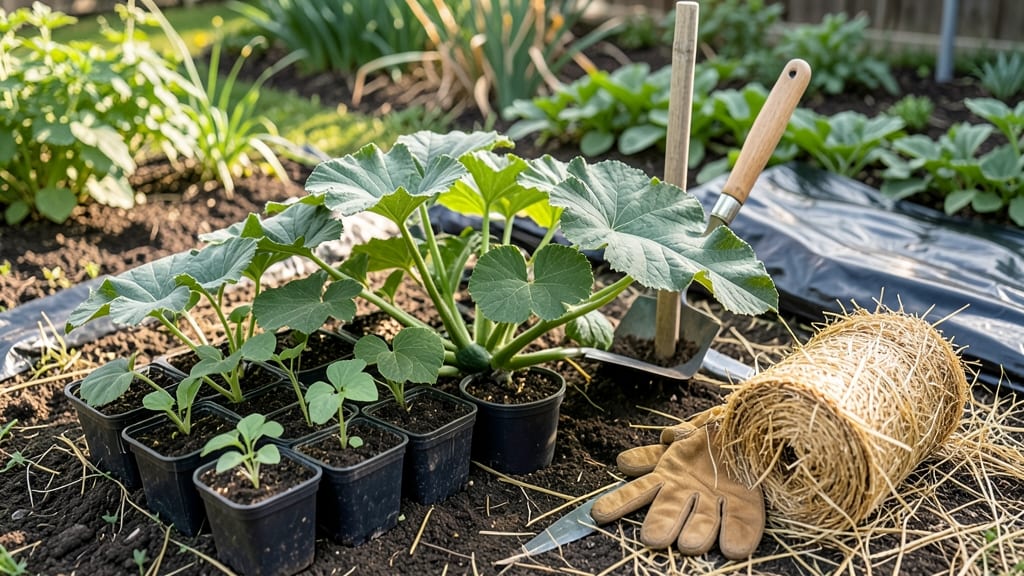
Planting acorn squash in Florida isn't just about throwing seeds in the dirt—it's about mastering the two perfect windows that separate a thriving harvest from a sad, wilted 🎃.
If you miss these timelines, you might end up with squash that never matures or vines that collapse under the summer heat.
Here's the secret: Florida's frost-free zones (9a-11) actually give you two chances to grow acorn squash—spring and fall. But timing is everything. Plant too early, and the heat will stress your seedlings before they even sprout. Plant too late, and your harvest might arrive just as the temperatures drop.
I've grown acorn squash in Florida for years, and I'll show you exactly when to start seeds indoors or direct-sow for maximum success in both seasons. Whether you're in the humid south or the slightly cooler north, these deadlines will help you avoid common mistakes that waste time and money.
Ready to grow bigger, healthier acorn squash? Let's dive into the exact planting schedule that works for Florida's climate—so you can enjoy homegrown 🎃 from July through November without the guesswork.
Florida’s best acorn squash planting windows by heat Zone: avoid these deadly mistakes
Timing your acorn squash planting in Florida isn’t just about avoiding frost—it’s about beating the 100°F+ heat that can turn vines into crispy messes. With USDA Zones 9a-11, you’ve got two prime windows: spring (March-May) and fall (August-September).
But North Florida’s Zone 9a has slightly different deadlines than Miami’s Zone 11. Let’s break it down by heat zone to avoid bolting or fruit rot.
First, check your soil temperature—acorn squash needs at least 70°F to germinate. In North Florida (Zones 9a-9b), wait until mid-March for spring planting, while South Florida (Zones 10a-11) can start as early as late February.
For fall, Zone 9a should plant by early September, while Zone 11 can extend until mid-October. Miss these windows, and you’ll face heat stress or hurricane season disruptions.
Here’s your heat-zone planting calendar with critical deadlines and soil prep tips:
For North Florida gardeners (Zones 9a-9b), the spring window closes fast—by April 15, you risk heat stress that causes flowers to drop. Start seeds indoors 3-4 weeks early to give seedlings a head start.
In South Florida (Zones 10a-11), you’ve got more flexibility, but June’s heat can still be brutal. Use shade cloth (30-50%) during peak sun hours to protect young plants.
Variety choice matters too! ‘Table Queen’ matures in 85 days and handles heat better than ‘Sweet Dumpling’, which needs cooler temps. If you’re in Zone 9a, stick with fast-maturing varieties like ‘Cocozelle’ (90 days) to avoid summer’s worst.
Pro tip: Mulch heavily with straw or black plastic to keep roots cool and retain moisture—this is non-negotiable in Florida’s sandy soils.
One critical mistake Florida gardeners make? Planting too close together. Acorn squash vines spread 3-4 feet wide, and crowding leads to disease and poor fruit development. Space seedlings 4 feet apart in raised beds or hill mounds to improve airflow.
In containers, use 15-gallon pots with trellising to save space—just ensure pots stay consistently moist.
Don’t forget companion planting! Pair acorn squash with basil or beans to deter pests like squash bugs and cucumber beetles. Avoid planting near potatoes or pumpkins, which compete for nutrients.
In fall plantings, add marigolds around the perimeter—they repel nematodes and attract pollinators. These small tweaks can double your yield in Florida’s challenging climate.
Finally, watch for heat stress signs: yellowing leaves, dropped flowers, or blossom-end rot. If temps hit
How to extend your acorn squash season in Florida: staggered planting and heat-tolerant hacks
Florida’s sweltering summers and humid heat can stress acorn squash plants, but smart strategies let you harvest twice yearly. The key? Staggered planting and heat mitigation techniques that protect your vines while maximizing yield.
Most gardeners focus on spring planting (March-May), but fall planting (August-September) is just as critical. By spacing out sowings 3-4 weeks apart, you create a continuous harvest window from July through November—avoiding the brutal July-August heat that can scorch young plants.
🌱 Did You Know? Florida’s heat zones 9-11 allow two full growing seasons for acorn squash, but only if you adapt to temperature fluctuations. Here’s how to make it work:
For fall plantings, start seeds indoors in July to get a head start before transplanting in early August. Choose heat-tolerant varieties like 'Cocozelle' or 'Sweet Dumpling', which handle 90°F+ temperatures better than standard types.
Pro tip: Monitor soil temperature with a thermometer—acorn squash needs 70°F+ soil to germinate. If your soil runs hotter than 95°F, wait until late afternoon to plant to reduce seed shock.
With these heat-beating tactics, you’ll double your harvest and outsmart Florida’s climate—no wilted vines in sight! 🌿