
Plants
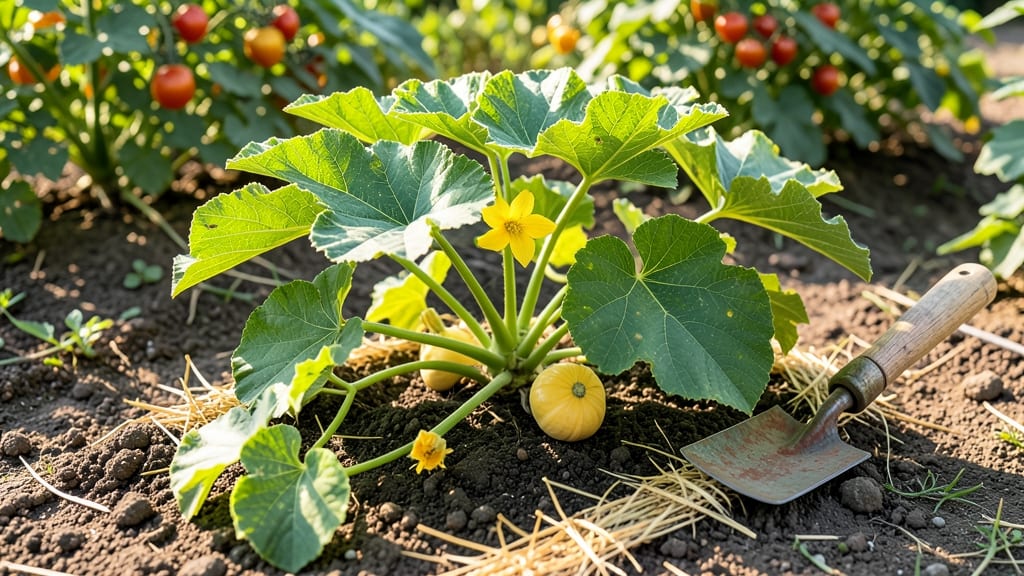
Planting acorn squash in Texas isn’t just about grabbing seeds and sticking them in the dirt—it’s about outsmarting the heat and frost to guarantee a harvest that’ll make your 🎃 collection shine.
Whether you’re in Zone 8a or 10b, timing is everything. Too early, and a late frost will turn your seedlings into sad, wilted memories. Too late, and the Texas sun will fry your plants before they even think about producing.
The key? Planting when soil hits 60°F—and knowing exactly when that happens in your corner of the Lone Star State.
I’ve grown acorn squash in North Texas’ cooler springs and South Texas’ brutal summers, and I’ll show you the tricks to beat both extremes. From soil prep to heat-zone adjustments, you’ll learn how to time your planting for zero-frost survival and maximum sweetness.
Ready to skip the guesswork? Let’s dive into the exact windows, soil secrets, and heat hacks that’ll turn your garden into a squash goldmine—no matter where you are in Texas.
Texas heat zones & acorn squash planting calendar: exact dates by region
Texas spans USDA zones 7-11, creating dramatic differences in when to plant acorn squash. In North Texas (zones 7-8), frost lingers until mid-February, while South Texas (zones 9-11) enjoys frost-free winters.
The key? Plant when soil hits 60°F+ and avoid peak summer heat (90°F+), which stresses young plants.
Acorn squash thrives in warm-season windows: spring (March-June) and fall (July-September). Spring plantings yield fall harvests, while fall plantings produce winter squash before frost. South Texas gardeners can even try year-round planting with shade cloth during extreme heat.
Here’s your region-specific planting calendar, accounting for last frost dates, soil temperature, and heat tolerance. Use this to time your acorn squash for maximum yield.
| Texas Region | USDA Zone | Last Frost Date | Spring Planting Window | Fall Planting Window | Soil Temp Requirement |
|---|---|---|---|---|---|
| North Texas (Dallas, Fort Worth) | 7b-8a | February 15 | March 15 - April 15 | July 15 - August 15 | 60°F+ (use row covers early) |
| Central Texas (Austin, San Antonio) | 8a-8b | February 1 | March 1 - April 10 | July 1 - August 10 | 60°F+ (soil warms faster) |
| East Texas (Tyler, Longview) | 7b-8a | February 20 | March 20 - April 20 | July 20 - August 20 | 60°F+ (humidity slows warming) |
| West Texas (Lubbock, Midland) | 7b-8a | February 5 | March 10 - April 10 | July 10 - August 10 | 65°F+ (dry heat speeds germination) |
| South Texas (Houston, Corpus Christi) | 9a-10a | January 1 (rare) | February 15 - March 15 | August 1 - September 1 | 70°F+ (avoid summer heat) |
| Deep South Texas (Brownsville, Rio Grande) | 10a-11 | None (year-round) | January 1 - February 15 | August 15 - September 15 | 75°F+ (use shade cloth) |
For North Texas (zones 7-8), wait until mid-March to plant acorn squash—earlier sowings risk frost damage or slow germination in cold soil. Use black plastic mulch 2 weeks before planting to warm the soil faster.
In Central Texas (zone 8), soil warms quicker, so you can start as early as late February if nights stay above 50°F.
In South Texas (zones 9-11), avoid planting during June-August when temperatures exceed 95°F. Instead, opt for fall plantings in August or early spring in February.
Use shade cloth (30-50%) during peak heat to protect young plants. Deep South Texas gardeners can even grow acorn squash year-round with proper shade and irrigation.
Pro tip: Direct-sow seeds in North Texas after the last frost—transplants struggle with temperature fluctuations. In South Texas, start seeds indoors 4-6 weeks before your target planting date to give them a head start against intense heat.
Space seeds 1 inch apart in rows 3 feet apart to allow vines to sprawl.
Monitor soil temperature with a soil thermometer—acorn squash seeds won’t germinate below 60°F. If soil is too cool, use row covers or warm the soil with black plastic for 10-14 days before planting. In dry West Texas
Soil temperature secrets: how to test & adjust for faster acorn squash germination
Acorn squash seeds need consistent soil temperatures above 60°F to germinate reliably. In Texas, this means waiting for late March in North Texas or February in South Texas—but what if your soil is still too cool?
Testing and adjusting soil warmth is the secret to beating slow germination, especially in clay-heavy Texas soils that retain cold longer.
Use a soil thermometer (available for under $10) to check temperatures at 2-inch depth—the level where seeds will germinate. Aim for 65°F+ for fastest sprouting. If your soil is below 60°F, don’t panic—there are proven ways to pre-warm it without waiting for Mother Nature.
Here’s how to test and adjust soil temperature for guaranteed germination, even in Texas’ unpredictable climate:
🌱 Warning: Cold Soil Kills Seeds
Planting acorn squash in soil below 60°F leads to:
- Rotten seeds (fungal growth)
- Weak seedlings (prone to disease)
- Delayed harvest (3+ weeks slower)
💡 Fix: Pre-warm soil for 10-14 days before planting.
For North Texas gardeners, lay down black plastic mulch 2 weeks before planting to raise soil temps by 5-10°F. Remove it just before sowing to avoid overheating.
In South Texas, where soil warms quickly, focus on shade cloth (30%) during peak heat (June-August) to prevent seeds from drying out before they sprout.
Another trick? Plant in raised beds filled with 50% compost—organic matter warms faster than native clay soil. Water the bed 24 hours before planting to stabilize temperatures.
If you’re in West Texas, where dry heat dominates, water the soil deeply the night before planting to create a microclimate that holds warmth longer.
Pro tip: Group seeds in clusters (3-4 per hill) instead of single rows. The shared heat from clustered seeds speeds germination by 2-3 days. Thin to 2-3 strongest plants per hill once they’re 2 inches tall. Always plant in morning hours to reduce stress from afternoon heat.
Monitor soil temps daily for 3 days after planting—if they dip below 60°F at night, cover seeds with row fabric until temps stabilize. With these adjustments, you’ll see sprouts in 5-7 days instead of the 10-14 days you’d get with cold soil. 🌱