
Plants
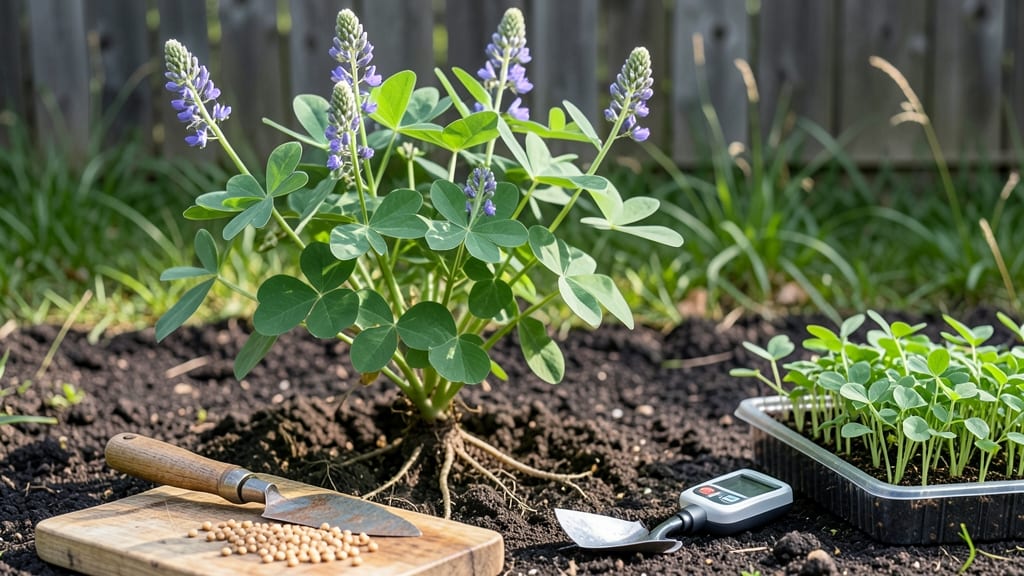
Planting alfalfa in Michigan at the wrong time can mean the difference between a thriving forage crop and a wasted investment. With frost dates shifting unpredictably across USDA zones 5b-6b, timing is everything—especially when you're aiming for strong stands that last through the 2-year maturity cycle.
I’ve watched too many Michigan farmers rush their planting, only to see young alfalfa 🌱 stunted by late frosts or struggling to establish before summer heat sets in.
The key? Planting in early spring—right after the last frost—or in late summer, when soil temperatures stay warm enough for germination but before the first hard freeze.
In this guide, I’ll break down the exact frost-free windows by county, soil prep secrets for Michigan’s diverse conditions, and how to adjust your schedule for northern vs. southern planting zones.
Whether you’re a first-time grower or a seasoned farmer, these insights will help you avoid costly mistakes and get the most out of your alfalfa crop.
Ready to turn your Michigan field into high-yield forage? Let’s dive into the planting timeline that actually works for your region—and keep your alfalfa thriving from seed to harvest.
Michigan alfalfa planting timeline by county: frost-free dates and ideal windows
Michigan’s diverse climate means your alfalfa planting window can vary dramatically from Upper Peninsula to southern Lower Michigan. Getting the timing right ensures strong root establishment before winter or summer heat stress.
I’ll break down frost-free dates, USDA hardiness zones, and the perfect 45-60 day window before first fall frost for each region.
Alfalfa thrives in USDA zones 5b-6b, but Michigan’s northern counties (like Marquette or Iron) face earlier frosts than southern counties (like Wayne or St. Clair).
This means your last spring frost could arrive as early as mid-April in southern Michigan but linger until late May in the Upper Peninsula.
For spring planting, aim to sow alfalfa seeds within 2-3 weeks after your county’s last frost date. In fall planting, you’ll need to finish 60 days before first frost—so late July to early August in most areas.
Let’s dive into the specifics by county to avoid missed opportunities or frost damage.
Notice how southern Michigan (like Wayne County) has a 6-week earlier planting window than the Upper Peninsula? This shift means alfalfa growers in Marquette should wait until early June for spring planting, while Detroit-area farmers can start as early as late April.
Always check your local Michigan State University Extension for yearly adjustments—climate change is pushing frost dates earlier in some areas.
For fall planting, the 60-day rule is critical. In northern Michigan, you might only have July 1 to August 10 to establish seeds before frost.
Meanwhile, southern counties like St. Clair can extend this window until mid-August. Use row covers in late summer to protect young seedlings if temperatures dip unexpectedly.
One common mistake is planting alfalfa too early in southern Michigan (before April 15) or too late in the Upper Peninsula (after June 15). Cold soil or late frosts can stunt germination. Test your soil temperature—alfalfa needs at least 50°F for consistent sprouting.
If you’re in a transition zone (like Grand Rapids or Traverse City), consider staggered planting. Sow half your seeds at the earliest safe date and the rest 2 weeks later.
This spreads risk if an unexpected frost hits. For organic farmers, mix alfalfa with clover to improve soil nitrogen and extend the planting window
How to adjust alfalfa planting for Michigan’s microclimates and soil types
Michigan’s diverse soil types and microclimates—from sandy lake shores to clay-rich farmlands—can drastically affect alfalfa establishment. The key is adapting your planting strategy to match your specific conditions.
For example, northern Michigan’s shorter growing season (USDA Zone 5b) demands earlier planting than southern Michigan’s Zone 6b, where you’ve got a bit more flexibility.
Start by testing your soil’s pH and drainage. Alfalfa thrives in slightly alkaline soil (pH 6.5-7.5), but Michigan’s acidic clay soils often need lime amendments.
If your soil drains poorly, consider raised beds or adding organic matter like compost to improve aeration. Sandy soils may require extra watering to prevent drought stress during germination.
Soil Type Adjustments for Alfalfa
Add compost and gypsum. Plant in raised beds if drainage is poor.
Incorporate peat moss. Water deeply 2x/week until established.
Ideal conditions. Test pH and add lime if needed (target 6.8-7.2).
Apply agricultural lime (2-3 lbs per 100 sq ft) 2 months before planting.
Another critical adjustment is seed depth and spacing. In cooler northern regions, plant seeds 1/4 inch deep and space rows 18 inches apart to prevent crowding.
For warmer southern areas, you can space rows 24 inches apart and plant slightly deeper (1/2 inch) to conserve moisture. Always use a seed drill or precision planter for even distribution—alfalfa’s taproot system needs room to develop.
Microclimates near Lake Michigan create unique challenges. Areas within 5 miles of the shore experience cooler temperatures and higher humidity, which can delay germination. To compensate, plant 2-3 weeks earlier than inland recommendations and choose cold-hardy varieties like ‘Mediterranean’ or ‘Dwarf Alfalfa’.
These varieties tolerate brief frost exposure and establish faster in cool, moist conditions.
Companion planting can also improve alfalfa’s success in marginal soils. Pair it with grasses like timothy or orchardgrass to reduce erosion and improve soil structure. Avoid planting near competitive weeds or deep-rooted perennials that steal nutrients. Instead, use cover crops like clover in off-seasons to build organic matter naturally.
Finally, monitor your alfalfa’s progress with weekly soil moisture checks. Use a soil probe to ensure the top 6 inches stay consistently moist but not waterlogged. In dry summers, consider a light mulch layer (straw or wood chips) to retain moisture without smothering young plants.
With these adjustments, your alfalfa stand will establish stronger roots and higher yields regardless of Michigan’s soil or climate quirks.