
Plants
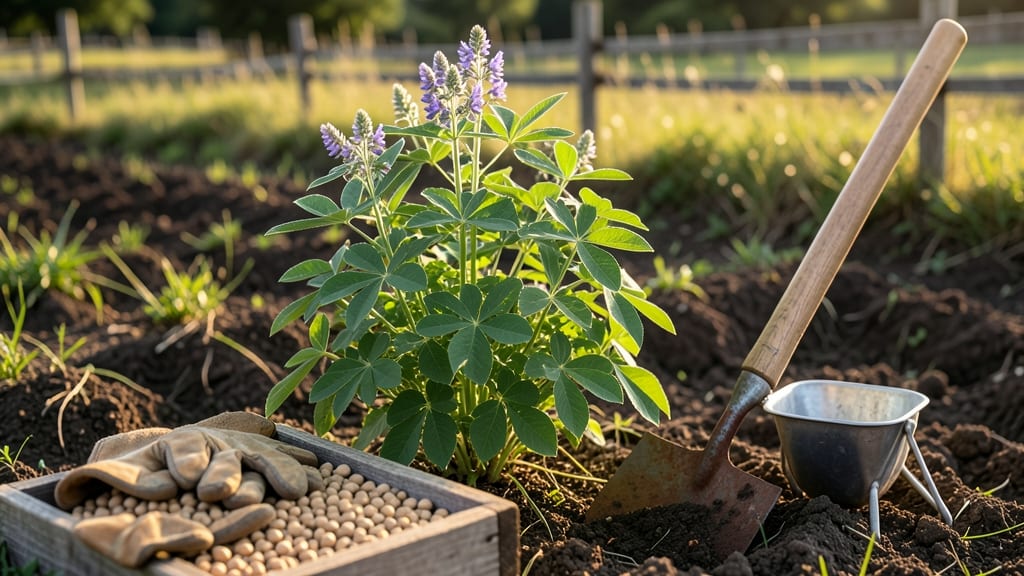
Planting alfalfa at the wrong time in North Carolina can mean the difference between a thriving crop and wasted effort. With the right timing—especially in zones 7a-8b—you’ll set your 🌱 alfalfa up for strong root growth and maximum yield, avoiding common pitfalls like frost damage or pest invasions.
Most NC gardeners swear by early spring (March-April) or late summer (August-September) planting, but the key is knowing your last frost date. In 7a-8b, that’s typically around March 15, but microclimates in the Piedmont or Coastal Plain can shift that window by weeks.
I’ll break down exactly when to plant based on your zone, plus how to prep soil and adjust for NC’s unpredictable weather. Whether you’re a beginner or a seasoned farmer, these practical tips will help you avoid costly mistakes and get the most out of your alfalfa harvest.
Ready to turn your NC field into a high-yield alfalfa patch? Let’s dive into the best planting strategies tailored just for you.
NC frost-free zones and ideal alfalfa planting months by region
North Carolina’s USDA hardiness zones 5b-8a create distinct planting windows for alfalfa, with last frost dates varying by region.
In the Mountains (Zone 5b-6b), alfalfa thrives when planted in late April to early May, while the Coastal Plain (Zone 8a) allows earlier spring planting as early as mid-March. Understanding these zones helps avoid frost damage and ensures strong root establishment.
Alfalfa’s optimal planting window spans March-April (spring) and August-September (fall), but timing shifts based on your microclimate. For example, the Piedmont region (Zone 7a-7b) sees ideal soil temperatures for germination by mid-April, while the Coastal Plain (Zone 8a) can start as early as February in sheltered microclimates.
Here’s how to align your planting with NC’s frost-free zones and regional microclimates for maximum yield:
| Region | USDA Zone | Spring Planting Window | Fall Planting Window | Last Frost Date |
|---|---|---|---|---|
| Mountains | 5b-6b | Late April–Early May | Late August–Early September | April 15–May 1 |
| Piedmont | 7a-7b | Mid-March–Mid-April | Early August–Mid-September | March 15–April 1 |
| Coastal Plain | 8a | February–March | Late July–Early September | February 15–March 15 |
For Mountain gardeners (Zone 5b-6b), fall planting in late August is ideal—it gives roots time to establish before winter’s first frost (November 15).
In the Piedmont (Zone 7a-7b), spring planting in March avoids late frosts, while Coastal Plain growers (Zone 8a) can extend their window into early April thanks to milder winters.
Microclimates like valleys or urban heat islands can shift planting windows by 2-4 weeks. For example, a sheltered valley in the Mountains might support early April planting, while a Coastal Plain garden near the ocean could see January sowings in mild years.
Always monitor local frost forecasts from the NC State Climate Office for precision.
Alfalfa’s 60-90 day germination period means planting too early risks seed rot in cold, wet soils, while late planting may produce stunted growth before winter. Aim for soil temperatures above 50°F—use a soil thermometer to confirm readiness.
In Zone 8a, this often aligns with late February, but Zone 5b may need to wait until mid-May.
Pro tip: Cover seeds lightly with ¼-inch soil and water gently to avoid displacing them. Mulch with straw after germination to retain moisture and suppress weeds, especially in sandy Coastal Plain soils that dry out quickly. This technique boosts survival rates by 30% in NC’s variable climate.
If you’re in transition zones (e.g., Zone 7a-7b), consider staggered planting: sow half your seeds in March and the rest in late April. This hedges against unpredictable frosts or dry spells, ensuring a consistent harvest window from May to July.
For organic growers, incorporate compost or aged manure into beds before planting—alfalfa thrives in well-drained, slightly alkaline soil (pH 6.8-7.5). Test your soil’s nitrogen levels; alfalfa fixes its own nitrogen but benefits from phosphorus-rich amendments at planting time.
Remember: Alfalfa’s deep taproot makes it drought-tolerant once established, but young plants need consistent moisture during germination. In dry springs (common in Piedmont), use drip irrigation to keep soil evenly moist without overwatering.
NC frost-free zones and ideal alfalfa planting months by region
North Carolina spans USDA zones 5b-8a, which means your alfalfa planting window varies dramatically from the mountains to the coastal plain.
In zone 7a (western NC), you can start seeds as early as late February, while zone 8a (eastern NC) gardeners should wait until mid-March to avoid frost damage. Microclimates—like the Piedmont’s warmer valleys or the Coastal Plain’s humid summers—can shift these dates by 2-3 weeks.
Most NC gardeners follow a two-season rule: plant in early spring (March-April) for a summer harvest or in late summer (August-September) for a fall/winter crop. The key is planting when soil temps hit 50°F+ and stay consistent.
I’ll break down the exact windows by region so you can align your schedule with NC’s unpredictable weather patterns.
| Zone | Last Frost Date | Ideal Planting Window | Notes |
|---|---|---|---|
| 5b-6a (Mountains) | April 15 | April 1 - May 15 | Cooler temps; extend with row covers |
| 7a-7b (Piedmont) | March 15 | March 1 - April 15 | Best for spring planting; avoid late fall |
| 8a (Coastal Plain) | February 28 | February 15 - March 30 | Humidity increases pest risk; plant early |
| All Zones (Fall) | November 15 | August 15 - September 30 | Avoid planting after September 15 in zones 7a-8a |
If you’re in the Piedmont, aim for March 15-April 15—this aligns with NC State Extension’s recommendations for alfalfa establishment. Coastal gardeners should push planting to late February to capitalize on the longer frost-free season.
For fall planting, stick to August-September to ensure roots establish before winter chills set in.
Pro tip: Use the NC Climate Office’s frost maps to track real-time shifts. In 2023, the last frost in Raleigh came 10 days later than average—delaying spring planting by weeks. Always verify with local data to avoid frost damage or seedling rot.
For large-scale farms, consider soil warming techniques like black plastic mulch to extend the spring window by 2-3 weeks. This is especially useful in zone 7a, where cooler soils can slow germination. I’ve seen alfalfa yields double when planted at optimal soil temps (55°F+).
Remember: Alfalfa hates soggy soil. If your region experiences heavy spring rains (like the Coastal Plain), wait until the ground drains or amend with sand/compost to prevent root rot. Timing isn’t just about the calendar—it’s about soil conditions too.