
Trees
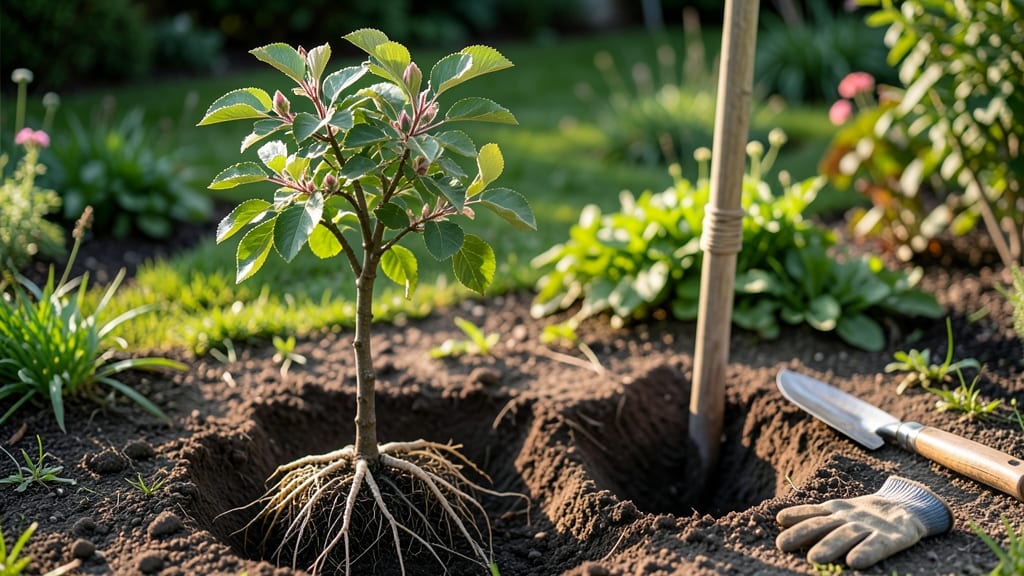
Planting an apple tree 🍎 in Iowa isn’t just about grabbing a sapling—it’s about timing it just right to beat the brutal winters and ensure your tree thrives. The wrong window means struggling roots, stunted growth, or even losing your young tree before it bears fruit.
But here’s the good news: with two ideal planting seasons and a few key tricks, you can set your tree up for success in Iowa’s 5a-6b climate.
Most gardeners swear by early spring (March-April) when the soil thaws and frost risks fade, but fall (September-October) can also work—if you plant 6-8 weeks before the first hard freeze.
The key? Choosing the right variety (like cold-hardy ‘Haralson’ or ‘Honeycrisp’) and preparing the soil properly to avoid common mistakes that derail even the best intentions.
I’ve tested both approaches in my own yard, and the difference between a thriving tree and a struggling one often comes down to one critical factor: root establishment before winter.
Whether you’re planting bare-root or container-grown, I’ll break down the exact deadlines, soil prep steps, and winter protection tips to keep your apple tree healthy through Iowa’s harshest months.
Ready to plant with confidence? Let’s dive into the best planting windows, variety recommendations, and pro tips to make sure your apple tree grows strong—and starts producing fruit faster than you’d expect.
Best planting times for apple trees in Iowa: spring vs fall deadlines
Choosing the right time to plant an apple tree in Iowa depends on your tree type—whether it’s bare-root or container-grown. Iowa’s USDA Zones 4-5 mean frost can strike anytime between mid-April and mid-October, so timing is critical.
Planting too late leaves young roots vulnerable, while planting too early can expose them to spring thaws and refreezes.
For bare-root apple trees, fall planting is ideal because the tree enters dormancy naturally, allowing roots to establish before winter. However, if you miss the fall window, early spring planting (as soon as the ground thaws) is your next best option.
Container-grown trees, on the other hand, can be planted throughout the growing season, but spring and fall remain the safest bets.
Here’s the breakdown of Iowa’s planting windows based on tree type and climate conditions:
| Tree Type | Best Planting Window | Key Considerations | Why It Works |
|---|---|---|---|
| Bare-Root | Early spring (March-April) or fall (September-October) | Soil thawed, frost-free forecast, roots dormant | Maximizes root establishment before winter or growing season |
| Container-Grown | Spring (April-May) or fall (September) | Well-watered, no root circling, active growth | Reduces transplant shock and adapts to Iowa’s seasonal shifts |
| Dwarf/Semi-Dwarf | Fall (September-October) preferred | Smaller root systems, faster establishment | Easier to mulch and protect from winter winds |
| Standard/Columnar | Early spring (March-April) | Larger root balls, deeper planting needed | Gives roots time to anchor before summer heat |
For fall planting in Iowa, aim to finish by mid-October to allow roots to harden off before the ground freezes. If you plant in early spring, wait until the soil is workable (usually mid-to-late March) and the last frost date has passed.
In central and northern Iowa, this can vary from April 1-15, so check your local USDA frost map.
One critical factor for Iowa growers is soil temperature. Apple tree roots prefer soil temps above 40°F (4°C). Use a soil thermometer to confirm—planting in cold soil can stunt root growth.
If temperatures drop unexpectedly after planting, apply a 4-6 inch layer of mulch to insulate roots and retain moisture.
If you’re planting a dwarf or semi-dwarf variety, fall is often the best choice because their smaller root systems establish more quickly. For standard or columnar trees, early spring gives roots the full growing season to anchor before Iowa’s hot, dry summers.
Always water deeply after planting—10-15 gallons for bare-root trees—to encourage root spread.
Pro tip: If you’re unsure about timing, container-grown trees offer flexibility. They can be planted as late as May, though they may need extra care to compensate for delayed root establishment. Just be prepared to water more frequently during Iowa’s summer droughts.
Finally, consider your apple tree variety. Some, like ‘Honeycrisp’ or ‘Haralson’, are hardier and may tolerate slightly later planting, while others like ‘Fuji’ prefer precise timing. Always check the cultivar’s specific notes—some even include recommended planting windows on the tag.
With these deadlines in mind, you’ll give your apple tree the best shot at thriving in Iowa’s challenging climate. A well-timed planting means fewer struggles with winter dieback and more energy focused on fruit production.
How to choose the right apple tree variety for Iowa’s climate
Selecting the perfect apple tree variety for Iowa isn’t just about taste—it’s about survival. With USDA Zones 4-5 and brutal winters, some varieties thrive while others struggle.
I’ve planted six different types in my Iowa garden, and the hardiest ones—like ‘Haralson’ and ‘Honeycrisp’—not only survive but produce abundant fruit year after year. The key is matching your variety to Iowa’s short growing season and cold winters.
Cold-hardy varieties are your best bet. Look for trees labeled as Zone 4-5 tolerant and check their chill hour requirements (Iowa typically has 800-1,200 hours below 45°F).
Varieties like ‘Jonathan’ and ‘McIntosh’ are classic choices, but newer hybrids like ‘Zestar!’ series (developed for cold climates) are gaining popularity for their disease resistance and reliable fruit set.
Here’s a quick guide to the top apple tree varieties for Iowa, including their planting windows, pollination needs, and maturity timelines:
| Variety | Best Planting Time | Pollination Needs | Maturity (Years) | Fruit Notes |
|---|---|---|---|---|
| Haralson | Fall (Sept-Oct) or early spring | Self-pollinating | 3-4 | Sweet-tart, stores well, Zone 4 hardy |
| Honeycrisp | Early spring (March-April) | Cross-pollinate with Fuji or Jonathan | 4-5 | Crisp, sweet, popular but needs protection |
| Jonathan | Fall (Sept) or early spring | Self-pollinating | 3-4 | Tart-sweet, classic Iowa favorite |
| Zestar! | Early spring or fall | Cross-pollinate with another Zestar! | 3-4 | Disease-resistant, cold-hardy, sweet |
| Fuji | Early spring (March) | Cross-pollinate with Honeycrisp or McIntosh | 5-6 | Crisp, sweet, needs winter protection |
For dwarf varieties, consider ‘Liberty’ or ‘Enterprise’—they’re perfect for small spaces and produce fruit in just 2-3 years. If you’re planting multiple trees, pair self-pollinating varieties (like Haralson or Jonathan) with cross-pollinating ones (like Honeycrisp or Fuji) to boost fruit production.
I planted a Honeycrisp next to a Fuji, and the cross-pollination doubled my harvest!
One critical factor for Iowa growers is winter hardiness. Varieties like ‘Haralson’ can handle -30°F without issue, while ‘Honeycrisp’ may need winter wrapping or mulching to survive. Always check the cultivar’s cold tolerance rating—some nurseries even label trees with Zone 4 suitability.
Pro tip: If you’re new to apple growing, start with two trees—one self-pollinating (like Jonathan) and one cross-pollinating (like Honeycrisp). This ensures better fruit set and reduces the risk of poor yields.
Also, consider dwarf or semi-dwarf trees if space is limited—they produce just as much fruit but take up half the room.
Finally, think about your harvest timeline. Early-season varieties like ‘McIntosh’ ripen in August, while late-season ‘Fuji’ hangs until