
Trees
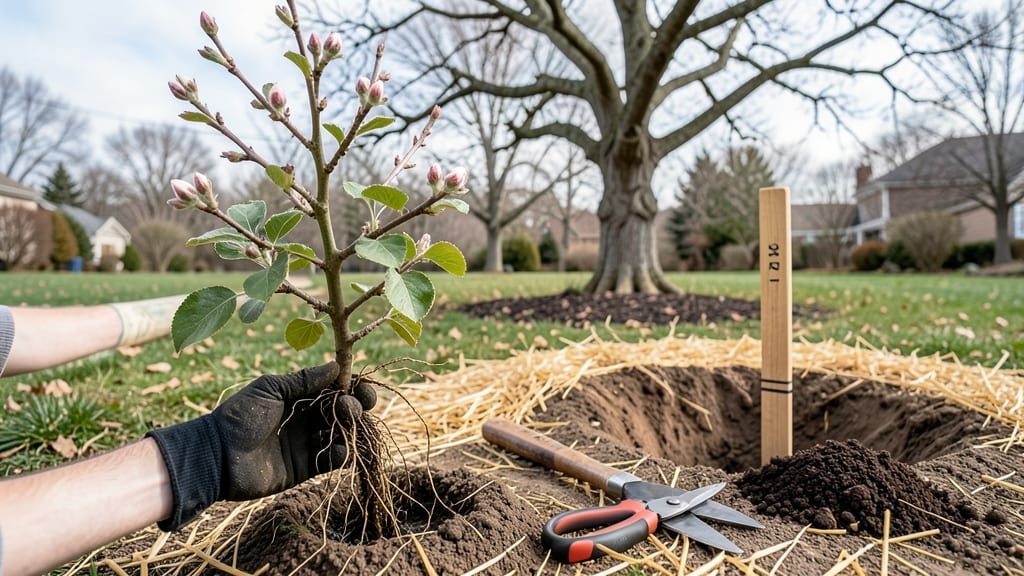
Planting an apple tree 🍎 in New Jersey might seem simple, but getting the timing right makes all the difference between a thriving orchard and a struggling sapling. If you miss the best window, your tree could face weak root growth or frost damage before it even takes hold.
Most gardeners in NJ’s 6a-7b zones swear by planting in late winter or early spring, but fall can also work—if you time it just right. The key is understanding how soil temperatures and dormancy periods affect your tree’s success, whether you’re growing a dwarf Honeycrisp or a standard McIntosh.
Don’t worry if you’re new to orchards—I’ll break down the exact months to plant based on your favorite varieties, soil prep tips, and how to adjust for early or late seasons. By the end, you’ll know exactly when to dig in for the best chance at a fruitful harvest.
Ready to grow apples that last? Let’s get your tree in the ground at the perfect time for your NJ climate.
Best planting months for apple trees in NJ by hardiness Zone
New Jersey’s USDA hardiness zones 6a-7b create a unique window for planting apple trees—fall and early spring are your best bets. The key? Planting when soil temps are above 40°F but below 80°F, giving roots time to establish before summer heat or winter freeze.
In Zone 6a (northern NJ), aim for October-November or March-April, while Zone 7b (southern NJ) can extend planting until mid-December or even late February.
Fall planting (October-November) lets roots grow before winter dormancy, while spring planting (March-April) avoids late frost risks. Bare-root trees thrive in cool, moist soil, so avoid planting when ground is frozen or baked dry.
For container-grown trees, you’ve got more flexibility—plant anytime except in extreme heat or cold.
🌱
For dwarf varieties (like Liberty or Akane), prioritize fall planting—their smaller root systems establish faster in cooler temps. Standard-sized trees (e.g., McIntosh) need the longer root growth window of spring, so aim for March-April in colder zones.
Pro tip: Check your last frost date (typically mid-April in NJ) to time spring planting perfectly.
Microclimates matter! Coastal areas (like Cape May) can plant 1-2 weeks later due to milder winters, while inland zones (like Sussex County) should plant earlier to avoid late frosts.
Always test soil moisture—dry soil slows root growth, while waterlogged soil suffocates roots. Aim for well-draining, slightly acidic soil (pH 6.0–6.5).
🌿
If you miss the ideal window, don’t panic. Container-grown trees can handle spring planting up to June, though they’ll need extra watering to compensate. For bare-root trees, late spring planting (May-June) is risky—roots may dry out before establishing.
To extend your window, mulch heavily (3–4 inches of wood chips) to regulate soil temp and retain moisture.
Cold-hardy varieties like McIntosh and Cortland thrive in Zone 6a and can handle earlier fall planting (as soon as September), while heat-sensitive Honeycrisp needs spring planting in Zone 7b.
Always match your variety to your zone—planting at the wrong time stresses trees, making them vulnerable to disease and pests.
🪴
One common mistake? Planting too close to winter (November-December). Roots need 4–6 weeks of warm soil before dormancy. In Zone 6a, stop planting by November 15; in Zone 7b, you can push it to December 15.
Use a soil thermometer ($10 at garden centers) to confirm temps—below 40°F stalls root growth.
For urban gardeners, container planting offers flexibility. Choose dwarf or semi-dwarf varieties (like Liberty) and plant in spring (March-May) to avoid root-bound stress. Just ensure your container has drainage holes and is at least 18 inches deep—shallow pots restrict root growth.
How to choose the perfect planting window for your NJ apple variety
Selecting the right time to plant your apple tree in New Jersey isn’t just about picking a month—it’s about understanding your tree’s growth stage, your local microclimate, and even the soil temperature.
For example, dwarf varieties like Liberty need faster root establishment, so they thrive when planted in early spring (March-April) rather than late fall. Meanwhile, standard-sized trees like McIntosh can handle fall planting (October-November) as long as the ground stays unfrozen.
Start by checking your last frost date—most of NJ falls between mid-April and early May. Planting 6-8 weeks before the last frost gives roots time to anchor before spring growth kicks in.
For fall planting, aim for 4-6 weeks before the first frost (typically mid-October in northern NJ). This timing ensures roots harden off before winter without encouraging late-season growth that could freeze.
Your tree type also dictates the best window. Bare-root trees must be planted while dormant—either in late winter (February-March) or early fall (September-October). Container-grown trees, however, offer more flexibility and can be planted year-round, except during extreme heat (July-August) or deep freeze (January-February).
This adaptability makes them ideal for urban gardeners with limited planting windows.
- Planting too late in spring: Roots may not establish before summer heat stress.
- Ignoring soil temperature: Cold soil (40°F or below) slows root growth.
- Skipping fall prep: Planting in December risks frost damage to new roots.
Don’t overlook your local microclimate. Coastal areas like Cape May have milder winters, allowing for later fall planting (even into December), while inland zones like Sussex County benefit from earlier spring planting (February-March) to escape summer humidity.
Test your soil’s drainage and pH (ideal: 6.0-7.0) before planting—poor drainage in fall can drown roots before winter sets in.
For container-grown trees, timing is less critical, but avoid planting during peak heat (July-August) when roots can dry out. Instead, opt for early spring or fall to minimize transplant shock.
If you’re adding compost or fertilizer, do it at planting to boost early root growth, but avoid heavy nitrogen in fall—it encourages tender growth that won’t survive winter.
Pro tip: Mark your calendar for early April (spring) or late October (fall) as your target windows. These dates align with NJ’s USDA Zones 6a-7b and give your apple tree the best shot at a healthy first year.
With the right timing, your tree will reward you with strong roots, vigorous growth, and—eventually—juicy, homegrown apples.