
Trees
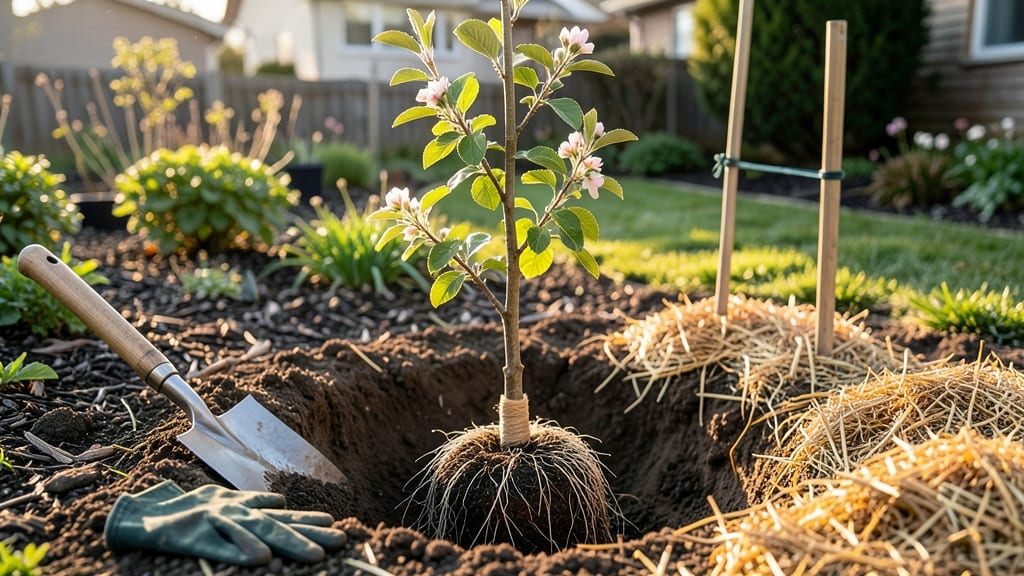
Planting an apple tree in Zone 5 at the wrong time could mean years of disappointment—your 🍎 might never thrive if it doesn’t get the right chill hours or faces unexpected frost.
The key to success isn’t just picking the right variety; it’s knowing whether to plant in early spring or fall, when soil temperatures are just right for root growth.
Most gardeners in Zone 5 (5a-5b) assume spring is the only option, but fall planting actually gives young trees a head start. With frost dates looming in mid-October, timing matters more than you’d think—especially for bare-root saplings that need to establish roots before winter.
In this guide, I’ll break down the exact windows for planting—whether you’re working with container-grown trees or bare-root stock—and how to adjust for your local microclimate. You’ll also learn how chill hours (300-1,000) influence variety selection, so you can pick apples that actually fruit in your zone.
Ready to avoid common mistakes? Let’s dive into the best months, soil prep, and long-term care tips to ensure your apple tree grows strong and productive for decades.
Best planting months in Zone 5: chill hours & frost timing explained
Timing your apple tree planting in Zone 5 depends on two critical factors: chill hours (300-1,000 hours below 45°F) and frost dates. Most Zone 5 varieties need 500-800 chill hours, so planting too early or late can disrupt root establishment or expose young trees to winter damage.
Let’s break down the ideal windows and how to calculate your local frost dates.
For bare-root apple trees, early spring (March-April) is ideal because the ground thaws but frost isn’t a threat. Container-grown trees, however, can handle fall planting (September-October) as long as they’re planted 6-8 weeks before the first frost. This gives roots time to establish before winter dormancy.
Zone 5’s last frost date typically falls around mid-May, while the first frost arrives in mid-October. Use these dates to plan your planting window—aim for 4-6 weeks before or after these dates to avoid frost stress.
For example, if your last frost is May 10, plant bare-root trees by April 15.
Chill hours determine which apple varieties thrive in your zone. Most Zone 5 varieties (like McIntosh or Honeycrisp) need 500-800 chill hours, but some low-chill varieties (e.g., Gala) may struggle. Check your local USDA chill hour map or ask your nursery for varieties suited to your microclimate.
Your microclimate (e.g., urban heat islands or sheltered valleys) can shift frost dates by 1-2 weeks. To refine your planting window, track local frost data for 3-5 years or use tools like the National Oceanic and Atmospheric Administration (NOAA) frost calendar.
For example, a south-facing slope may warm up faster, extending your spring planting window.
If you’re planting in fall (September-October), prioritize container-grown trees over bare-root. Bare-root trees planted in fall may not establish roots before winter, leading to winter dieback.
Water deeply after planting and apply 2-3 inches of mulch to insulate roots. For spring planting, wait until soil temperatures reach 45°F to avoid root rot.
Soil temperature is just as critical as air temperature. Use a soil thermometer to confirm the ground is workable—ideal temps are 50-60°F. Cold, wet soil can suffocate roots, while overly warm soil may dry out bare roots too quickly. In Zone 5, soil temps typically warm up by mid-April, making it safe to plant.
Here’s a quick checklist to confirm you’re planting at the right time: ☑️ Soil is thawed and workable (no frost heaves) ☑️ Air temps are consistently above 40°F ☑️ You’ve accounted for chill hours for your chosen variety ☑️ Local frost dates are at least 6 weeks away (for spring) or 6 weeks before frost (for fall)
Pro tip: If you’re unsure about your local frost dates, consult your Cooperative Extension Service or use a frost date calculator like the one from Old Farmer’s Almanac. These resources provide hyper-local data to fine-tune your planting schedule.
Remember, container-grown trees are more flexible than bare-root and can handle late spring planting (even into May), but bare-root trees planted after mid-April may struggle to establish before summer heat arrives.
Once you’ve nailed down the planting window, focus on soil preparation. Apple trees thrive in well-draining soil with a pH of 6.0-7.0. Amend heavy clay or sandy soil with compost or peat moss to improve texture and fertility.
A 1-inch layer of mulch around the base (but not touching the trunk) helps retain moisture and regulate soil temperature.
After planting, monitor your tree for signs of transplant shock, such as wilting leaves or stunted growth. Young trees may take 1-2 years to fully establish, so avoid heavy pruning or fertilization during
Best planting months in Zone 5: chill hours & frost timing explained
Zone 5 gardeners often debate whether to plant apple trees in early spring or fall, but the right answer depends on your tree type and local frost patterns.
In my experience, fall planting (September-October) gives roots time to establish before winter dormancy, while early spring (March-April) avoids early frost risks. The key is soil temperature—roots need 40-50°F soil to grow actively.
Your chill hours (300-1,000 hours below 45°F) determine variety success. Most Zone 5 varieties need 500-800 chill hours, so Honeycrisp (600-800) thrives here, while Fuji (800+) may struggle in colder 5a areas. Check your last frost date (typically mid-May in Zone 5) to time spring planting after danger passes.
| Planting Window | Soil Temp | Best For | Frost Risk |
|---|---|---|---|
| Early Spring (March-April) | 40-50°F | Bare-root trees | Low (after last frost) |
| Fall (September-October) | 50-60°F | Container-grown trees | Moderate (before first frost) |
| Late Fall (November) | 45°F+ | Dormant bare-root | High (risky) |
For container-grown trees, fall is ideal—plant 6-8 weeks before your first frost (mid-October in most of Zone 5). Bare-root trees, however, need spring planting (March-April) to avoid winter desiccation. Always amend soil with compost and a balanced fertilizer (10-10-10) before planting to boost root growth.
Microclimates matter! Trees planted in south-facing slopes warm up faster in spring, while low-lying areas may need frost cloth protection for young shoots. I once lost a sapling to a late April frost—now I always monitor my local Almanac frost calendar and adjust planting dates accordingly.
Pro tip: If planting in fall, water deeply before the ground freezes to hydrate roots. In spring, mulch heavily (3-4 inches) to regulate soil temperature. Both methods reduce transplant shock and improve survival rates in Zone 5’s variable climate.
Remember, patience is key—apple trees take 3-5 years to bear fruit, but proper planting timing ensures they’ll thrive for decades. Choose your window wisely, and you’ll enjoy homegrown apples for years to come! 🍎