
Plants
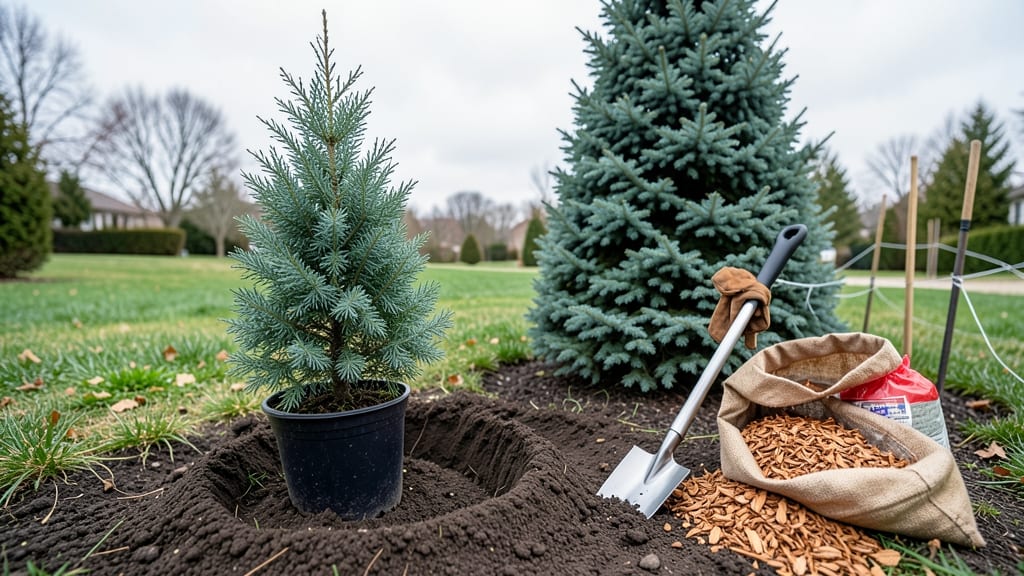
Planting arborvitae at the wrong time in Michigan’s 5b-6b climate can mean struggling to establish roots before winter—so getting the timing right is everything for a healthy, long-lived 🌲.
Unlike some plants that thrive in any season, arborvitae need the perfect window to avoid transplant shock or frost damage, especially in Michigan’s unpredictable spring and fall.
Most gardeners in Michigan swear by early spring or early fall, but there’s a science behind it. The key is planting when soil temperatures are cool enough to prevent root stress but warm enough to encourage growth—typically April or September-October.
If you miss these windows, you risk stunted growth or even winter burn, especially for young trees still finding their footing.
Whether you’re digging in the ground or planting a container-grown arborvitae, the right timing makes all the difference. I’ll walk you through the exact months to aim for, how to prep your soil, and what to watch for after planting to keep your arborvitae thriving for decades. Let’s get started.
From avoiding Michigan’s late frosts to choosing the best spot for your 🌲, this guide covers everything you need to know for a foolproof planting season. No more guesswork—just strong, healthy growth from day one.
Best planting months for arborvitae in Michigan’s USDA Zones 5-6
Michigan’s USDA Zones 5b-6b create unique challenges for planting arborvitae, where timing can make or break your tree’s survival. The ideal window focuses on two key periods: early spring (April) and early fall (September-October).
These months balance soil warmth and moisture while minimizing frost risks, giving your arborvitae the best chance to establish strong roots before winter.
Spring planting in April aligns with Michigan’s last frost dates (typically around April 15), allowing roots to grow before summer heat arrives. Fall planting in September-October lets trees settle before winter dormancy, reducing transplant shock.
Missing these windows risks exposing young roots to either late spring frosts or early winter desiccation.
Michigan’s microclimates add another layer—northern regions (like Zone 5b) may need to wait until late April, while southern areas (like Zone 6b) can plant as early as mid-April. Always check your local frost dates to avoid surprises.
Soil temperature is critical: aim for 50-60°F at 4 inches deep. In Michigan, this usually happens by mid-April for spring or early September for fall. Use a soil thermometer to confirm—cold soil can stunt root growth, while warm soil encourages rapid (but sometimes weak) development.
Container-grown arborvitae offer more flexibility than bare-root plants. They can be planted 1-2 weeks earlier in spring or 1 week later in fall since their root systems are less stressed. This flexibility helps gardeners in Zone 5b avoid late frosts more easily.
Michigan State University horticultural studies show that arborvitae planted in early fall often outperform spring-planted trees in Zone 5-6, thanks to cooler soil temperatures and reduced summer stress. However, fall planting must finish at least 6 weeks before first frost (usually by October 15) to allow root establishment.
| Season | Best Planting Window | Soil Temp | Root Growth Benefit |
|---|---|---|---|
| Spring | Mid-April to early May | 50-60°F | 6-8 weeks of warm soil before summer |
| Fall | Early September to mid-October | 50-60°F | Cooler temps reduce transplant shock |
| Zone 5b | Late April or early September | 50-55°F | Later frost dates demand patience |
| Zone 6b | Mid-April or early October | 55-60°F | Earlier planting windows available |
If you’re planting in August (a "good" but riskier month), choose container-grown arborvitae and water deeply to compensate for summer heat. Avoid planting in November—roots won’t have time to establish before winter dormancy, leading to poor survival rates.
For dwarf varieties like 'Emerald Green' or 'Compacta,' timing is even more critical since their smaller root systems are more sensitive to stress. Plant these 1-2 weeks earlier in spring or 1 week earlier in fall compared to standard varieties like 'Green Giant.'
Pro tip: If you miss the ideal window, container-grown arborvitae can be planted in late fall (November) as long as the ground isn’t frozen. Just add 3-4 inches of mulch and protect with burlap to shield from winter winds. This buys you time until next spring’s planting season.
Remember, Michigan’s 150-180 frost-free days limit your growing window. By planting in the optimal months, you’re giving your arborvitae the best shot at becoming a decades-long privacy screen or landscape focal point. 🌲
Best planting months for arborvitae in Michigan’s USDA Zones 5-6
Michigan’s USDA Zones 5b-6b offer a narrow window for planting arborvitae, but timing is everything to avoid transplant shock or winter damage. The ideal months are early spring (April) or early fall (September-October), when soil temperatures hover between 40°F and 60°F.
This range allows roots to establish without stress from extreme heat or cold.
Spring planting lets arborvitae grow roots before summer’s heat, while fall planting gives them time to settle before winter dormancy. Michigan State University studies show that planting in April (after the last frost) or September (before the first frost) yields the best survival rates.
Late spring or late fall plantings often fail due to inconsistent soil moisture or frost exposure.
🌱
| Planting Window | Soil Temp | Key Considerations | Michigan Microclimate |
|---|---|---|---|
| Early Spring (April) | 40°F–50°F | Roots establish before summer heat | Northern MI: Wait until mid-April; Southern MI: Early April |
| Early Fall (September) | 50°F–60°F | Avoids summer drought stress | Plant by Sept 15 to allow root growth before frost |
| Late Spring (May–June) | 60°F+ | High risk of transplant shock | Southern MI only; Northern MI rarely viable |
| Late Fall (October–November) | Below 40°F | Roots freeze before establishment | Avoid entirely in Zone 5b |
For container-grown arborvitae, you can plant slightly later—up to mid-October—since their roots are less vulnerable to frost. However, bare-root plants must go in the ground by early September to avoid drying out.
Always check your local last frost date (usually April 15 in most of Michigan) and plan accordingly.
If you’re in Zone 5b (northern Michigan), err on the side of earlier planting—late April—to account for shorter growing seasons. In Zone 6b (southern Michigan), early September works well, but avoid planting after October 1 unless you’re using mulch blankets for winter protection.
Pro tip: Test your soil’s drainage before planting. Arborvitae hate waterlogged roots, so amend heavy clay soil with compost or sand to improve aeration. A simple percolation test (poke a hole, fill with water, time how long it drains) can save your tree from root rot.
🌲