
Plants
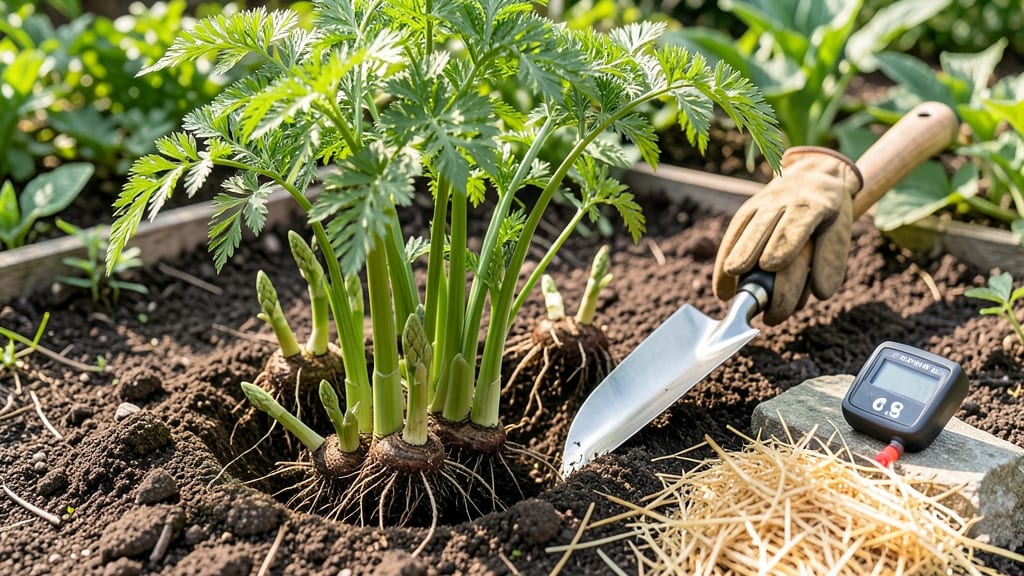
Timing your asparagus planting in Arkansas could mean the difference between a thriving garden and a wasted season—especially when frost dates shift from Zone 7a to Zone 8a.
The key is planting crowns 6-8 weeks before your last expected frost, typically between late February and early March, to give roots time to establish before spears emerge.
Why does this matter? Asparagus is a perennial workhorse—once planted, it can produce for 15+ years if you nail the timing.
But rush it, and frost will stunt growth; wait too long, and you’ll miss the ideal window for cold-hardy varieties like Jersey Knight or Purple Passion to take root.
In Arkansas’s humid climate, soil prep is just as critical as timing. Amend heavy clay with compost to improve drainage, and avoid nitrogen-heavy fertilizers in the first year—your asparagus needs time to build roots, not spears.
Let me walk you through the exact steps to set yours up for a bountiful harvest starting next spring.
From adjusting for microclimates to choosing the right variety, we’ll cover everything you need to know to plant asparagus like a pro. Ready to dig in?
Best planting windows for asparagus in Arkansas (by region)
Arkansas’s diverse climate—from the cooler highlands of the Ozarks to the warmer lowlands near the Mississippi River—means planting windows vary by region.
Whether you’re in North Arkansas (Zone 6b-7a), Central Arkansas (Zone 7b-8a), or South Arkansas (Zone 8a-9a), timing your asparagus crowns correctly ensures robust growth and a high-yield harvest for years.
For most of Arkansas, the ideal planting window is 6–8 weeks before your last expected frost date. In North Arkansas, this typically means late February to early March, while Central and South Arkansas gardeners can plant as late as mid-March to early April.
Fall planting is also possible in Zones 7b-8a (Central/South Arkansas), but requires careful timing to avoid winter stress.
Missed the spring window? Don’t panic! Arkansas’s mild winters allow for fall planting in late August to early September—just ensure the crowns establish roots before first frost (mid-November). This method works best for cold-hardy varieties like Jersey Knight, which tolerate 20°F temperatures without damage.
Here’s how to align your planting with Arkansas’s frost-free timeline:
| Region | USDA Zone | Last Frost Date | Spring Planting Window | Fall Planting Window |
|---|---|---|---|---|
| North Arkansas | 6b-7a | March 15 | Late Feb–Early March | Not recommended |
| Central Arkansas | 7b-8a | March 22 | Mid-March–Early April | Late Aug–Early Sept |
| South Arkansas | 8a-9a | March 30 | Early–Mid April | Late Aug–Mid Sept |
Pro tip: Use the Arkansas Planting Calendar from the University of Arkansas Cooperative Extension for real-time frost alerts. Their frost-free date maps adjust yearly based on local microclimates—critical for Arkansas’s unpredictable spring weather.
If you’re planting in containers or raised beds, extend your window by 2–3 weeks. Containers warm up faster in spring, but they also dry out quicker—so water deeply every 3–4 days until roots establish (6–8 weeks).
For in-ground planting, amend soil with compost and sand to improve drainage, a must for Arkansas’s clay-heavy soils.
For organic gardeners, avoid planting asparagus where tomatoes, peppers, or other nightshades grew last year. Arkansas’s humid climate increases verticillium wilt risk, and rotating crops prevents soil-borne diseases. Instead, plant asparagus near companion plants like basil or thyme, which deter pests naturally.
Remember: Asparagus is a perennial crop—once established, it can produce for 15–20 years. But the first 2 years are all about root growth, not harvest. Resist the urge to pick spears in Year 1; let the plant build strength for a bountiful Year 3 harvest.
🌱
Best planting windows for asparagus in Arkansas (by region)
Arkansas spans USDA Zones 6b to 8a, so your ideal planting window depends on whether you're in North Arkansas (cooler), Central Arkansas (moderate), or South Arkansas (warmer). The key is planting 6–8 weeks before your last expected frost date, which varies by region.
For most gardeners, this means late February to early March, but let’s break it down by zone.
In North Arkansas (Zones 6b-7a), like the Ozark Mountains, your last frost typically hits around March 15–April 1. Aim to plant crowns in late February to early March to give roots time to establish before warmer weather arrives.
This region benefits from cold-hardy varieties like Jersey Knight, which tolerate early spring chills better than others.
| Region | USDA Zone | Last Frost Date | Best Planting Window | Top Variety |
|---|---|---|---|---|
| North Arkansas | 6b-7a | March 15–April 1 | Late February–Early March | Jersey Knight |
| Central Arkansas | 7b-8a | March 1–March 15 | Early February–Late March | Mary Washington |
| South Arkansas | 8a-9a | February 15–March 1 | January–Early February | Purple Passion |
For Central Arkansas (Zones 7b-8a), including Little Rock and surrounding areas, your window is slightly wider: early February to late March. This flexibility lets you plant Mary Washington asparagus, a reliable choice that handles Arkansas’s humidity and heat spikes well.
If you miss this window, consider fall planting in October—just ensure soil temps stay above 50°F.
In South Arkansas (Zones 8a-9a), like the Delta region, winters are milder, so you can plant as early as January. Purple Passion asparagus thrives here, offering vibrant purple spears and better heat tolerance.
However, avoid planting too early—soil should be at least 50°F to prevent rot. Check local Arkansas Cooperative Extension frost maps for precise dates.
Pro tip: Use row covers or cold frames if planting in January or February to protect young crowns from unexpected late frosts. Arkansas’s unpredictable spring weather can delay warming, so always have a backup plan. Once planted, mulch heavily to retain moisture and regulate soil temperature.
Remember, asparagus is a perennial crop—once established, it can produce for 15–20 years. Getting the timing right now means decades of harvests with minimal effort later. Start with the right variety for your zone, and you’ll be enjoying homegrown spears by late spring!