
Plants
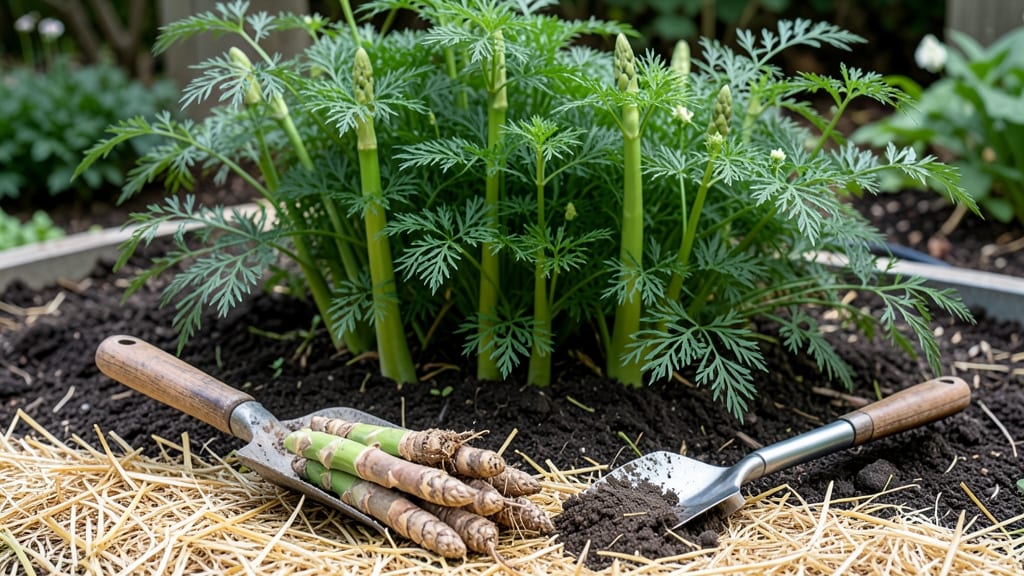
Planting asparagus in Minnesota requires precision timing—get it right, and you'll enjoy fresh spears for years; get it wrong, and you might wait three years for your first harvest.
The key is understanding when the soil warms enough to support those delicate crowns while avoiding late frosts that can stunt growth.
For Minnesota gardeners in zones 4a-5b, the ideal window opens in early spring, typically between March and April, once soil temperatures consistently reach 50°F.
This cold-hardy 🌱 asparagus thrives when planted 6-8 weeks before your last frost date, giving roots time to establish before summer heat arrives.
But timing isn't just about the calendar—soil prep matters just as much. Minnesota's clay-heavy soils need 6 months of preparation to ensure proper drainage, and choosing the right variety (like 'Mary Washington' or 'Jersey Knight') can make all the difference in survival through harsh winters.
Let's break down exactly when to plant, how to prep your soil, and which varieties perform best in Minnesota's unpredictable climate—so you can start harvesting in just a few seasons instead of years.
Optimal planting windows for asparagus in Minnesota’s climate zones
Minnesota’s cold climate and variable frost dates make timing critical for asparagus success. Unlike annuals, this perennial vegetable needs 6-8 weeks of warm soil before sprouting. Planting too early risks frost damage, while waiting too long delays harvests by 1-2 years.
Most Minnesota gardeners fall into USDA Zones 3-5, where last frost dates range from mid-April in the south to late May in the north. Aim to plant asparagus crowns 4-6 weeks before your area’s last frost date for ideal establishment.
For example, in Zone 4 (Twin Cities), target mid-April planting when soil temps hit 50°F (10°C). In Zone 3 (northern MN), wait until late April to early May when frost risk drops below 20%.
Fall planting is not recommended in Minnesota due to harsh winters. Crowns planted in autumn may not establish sufficient roots before first frost, leading to poor survival rates.
Key timing factors to watch:
- Soil temperature: Must stay above 40°F (4°C) for 2 weeks before planting
- Frost risk: Avoid planting when nighttime temps dip below 32°F (0°C)
- Daylength: Longer days in May accelerate growth after planting
Pro tip: Use a soil thermometer to confirm readiness. Cold soil slows root development, delaying your first harvest by up to a year.
| Zone | Last Frost Date | Ideal Planting Window | Soil Temp Requirement | Frost Risk |
|---|---|---|---|---|
| Zone 3 (North MN) | Late May | Late April - Early May | 50°F (10°C) minimum | High until mid-May |
| Zone 4 (Twin Cities) | Mid-May | Mid-April - Late April | 45°F (7°C) minimum | Moderate until late April |
| Zone 5 (Southeast MN) | Early May | Late March - Early April | 40°F (4°C) minimum | Low after mid-April |
*Adjust 1-2 weeks earlier for raised beds which warm faster
If you miss the spring window, don’t panic—you can still plant asparagus in early summer (June) for a second-year harvest. While not ideal, this method works if you:
- Use 1-year-old crowns (not dormant roots)
- Plant in well-drained soil with extra compost
- Water deeply 2x weekly during establishment
Remember: Asparagus takes 2-3 years to reach full production. Planting at the right time ensures you’ll enjoy harvests for 15+ years—making precise timing worth the effort!
For container growing in Minnesota, plant 1-2 weeks earlier than ground planting. Pots warm up faster in spring sun, giving you a 2-week head start on the season.
Soil preparation timeline: 6 months before planting asparagus
Minnesota’s clay-heavy soils can be tricky for asparagus, which thrives in loose, well-draining beds. Start preparing your soil 6 months before planting to give roots the perfect foundation. This timeline ensures your asparagus crowns get the nutrients and structure they need to establish deep roots before spring.
Begin in late summer or early fall by removing any existing vegetation from your planting area. Asparagus hates competition, so clear a 6-inch-deep space around where you’ll plant. This gives roots room to spread without battling weeds or grass for nutrients.
Test your soil’s pH—asparagus prefers a slightly acidic to neutral range of 6.5 to 7.5. If your soil is too alkaline (common in Minnesota), amend it with sulfur or peat moss to lower the pH gradually over the winter. Use a soil test kit from your local extension office for accurate results.
- Remove weeds/grass from planting area
- Test soil pH (aim for 6.5-7.5)
- Add 4-6 inches of compost or aged manure
- Till compost into top 12 inches of soil
- Mix in sand or perlite if drainage is poor
- Mark planting area with stakes
- Re-test soil pH if needed
- Add balanced fertilizer (10-10-10)
- Loosen soil with broadfork to 18 inches deep
In early spring, just before planting, loosen the soil with a broadfork to a depth of 18 inches. This aeration helps roots penetrate deep, which is crucial for asparagus—especially in Minnesota’s compacted clay. Avoid heavy machinery that can compact the soil further.
Finally, add a 2-inch layer of mulch (straw or wood chips) after planting to retain moisture and suppress weeds. Asparagus is patient but needs consistent care—proper soil prep now means harvests for 15+ years with minimal effort later.
Don’t skip this prep work! Skimping on soil quality now leads to stunted plants and poor yields down the road. With Minnesota’s unpredictable springs, giving your asparagus a head start in fertile soil is your best bet for success.