
Plants
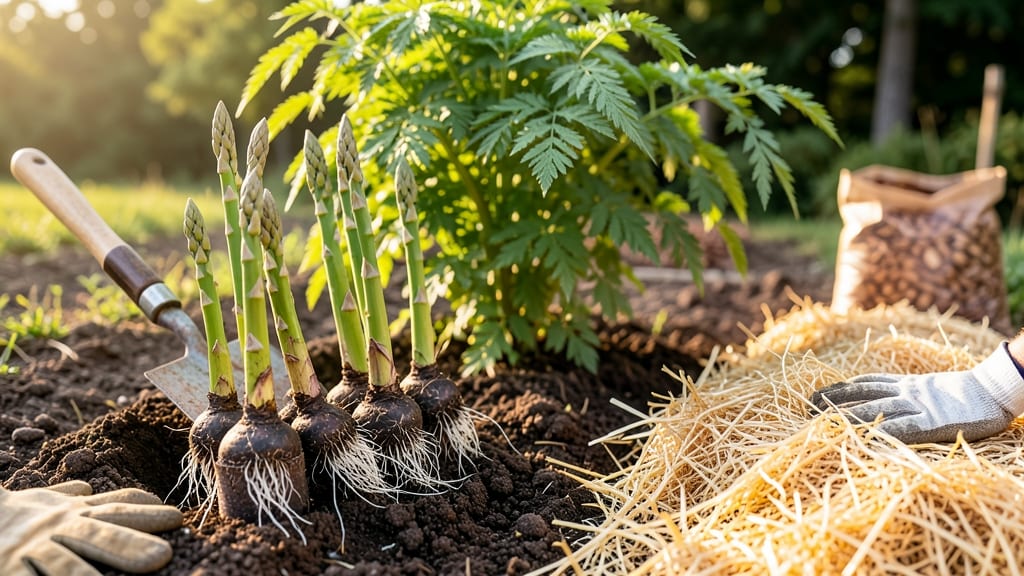
Planting asparagus in Maine might seem tricky with its chilly springs and unpredictable frosts, but timing it right means you could enjoy fresh, homegrown spears for years.
The key is getting those crowns in the ground when the soil warms enough to support strong root growth—typically between late April and early May, once the threat of hard frost has passed.
Unlike warmer climates, Maine gardeners have a narrower window to plant asparagus before summer heat sets in. Cold-hardy varieties like 'Mary Washington' or 'Jersey Knight' thrive in Zone 3-5, but even they need the right conditions.
I’ll show you exactly how to prepare your soil, choose the best planting date, and avoid common mistakes that can stall growth.
What makes asparagus unique is its patience—it takes 2-3 years to establish before you’ll see those prized spears. But with the right spring planting strategy, you’ll set the stage for a bountiful harvest in summer and fall.
Let’s break down the steps to make sure your asparagus gets off to the best start in Maine’s challenging climate.
From soil temperature checks to spacing tips, I’ll walk you through everything you need to know to plant asparagus successfully. Whether you’re a first-time gardener or a seasoned grower, these insights will help you maximize your yield in Maine’s short but productive growing season.
Best planting timeline for asparagus in Maine’s Zone 3-5 climate
Maine’s Zone 3-5 climate demands precise timing for planting asparagus, where a narrow window separates success from failure. The ideal planting window is between late April and early May, once soil temperatures consistently reach 50-60°F and the risk of hard frost has passed.
This timing ensures roots establish before summer heat arrives, which can stress young plants.
Unlike southern states, Maine gardeners can’t rely on a long spring—late frosts often linger into May. I recommend checking your local USDA frost calendar and waiting until 3-4 weeks after the last average frost date.
For example, in Portland, this is typically mid-May, while northern areas like Bangor may need to wait until early June.
Asparagus crowns should never be planted in fall in Maine’s climate—unlike some vegetables, they won’t survive our harsh winters. The only exception is if you’re starting seeds indoors 8-10 weeks before the last frost and transplanting seedlings in spring, but this requires extra care to avoid transplant shock.
Soil preparation is just as critical as timing. Asparagus thrives in well-draining, slightly alkaline soil (pH 6.5-7.5). In Maine’s rocky terrain, I recommend amending the soil with compost and aged manure at least 4-6 weeks before planting.
This gives beneficial microbes time to colonize and improves drainage in our often-clay-heavy soils.
Here’s how to time it perfectly: Use a soil thermometer to confirm temperatures are stable at 50°F or above for at least a week. Plant crowns 12-18 inches apart in trenches 6-8 inches deep, with the tips just below soil level.
This depth protects them from extreme cold and encourages strong root growth.
If you miss the spring window, don’t panic—you can plant 1-year-old crowns in early fall (September), but they must be heavily mulched to survive winter. However, this method is riskier in Maine’s unpredictable climate and isn’t recommended for beginners.
| Stage | Action | Maine-Specific Tip |
|---|---|---|
| Soil Prep | Test pH (6.5-7.5), amend with compost | Maine’s soil is often acidic—lime may be needed |
| Planting Window | Late April–early May (soil 50-60°F) | Wait for consistent warmth—late frosts are common |
| Crown Depth | Tips 2 inches below soil | Protects from winter heave in freeze-thaw cycles |
| Spacing | 12-18 inches apart | Allows airflow to prevent fungal diseases in humid summers |
| Mulching | 3-4 inches of straw | Essential for winter insulation in Zone 3-5 |
After planting, maintain consistent moisture for the first 3-4 weeks to encourage root establishment. Avoid overwatering, as Maine’s spring rains can lead to soggy soil. Once established, asparagus is drought-tolerant but will yield better with 1-1.5 inches of water per week during the growing season.
One of the biggest mistakes Maine gardeners make is harvesting too early. Wait until the third year to harvest spears, and even then, only take 10-20% of the crop in the first year. This patience pays off—well-established asparagus beds can produce for 15-20 years with proper care.
For those in northern Maine (Zone 3), consider extending the season with a cold frame or row cover in early spring. This can push your planting window slightly earlier and protect young shoots from late frosts. Just remove covers once temperatures stabilize above 50°F to avoid overheating.
Remember, asparagus is a perennial investment. The first year is all about root growth—you won’t see spears until year three. But with Maine’s short growing season, timing your planting correctly ensures you’ll enjoy fresh asparagus for decades, not just a single season.
Best planting timeline for asparagus in Maine’s Zone 3-5 climate
Maine’s short growing season and unpredictable spring frosts demand precise timing when planting asparagus. The ideal window is between late April and early May, when soil temperatures reach 50°F (10°C) at a depth of 4 inches.
This ensures roots establish before summer heat arrives, giving your plants a strong foundation for future harvests.
If you miss this window, don’t panic—fall planting is possible in Maine’s milder southern regions (Zone 5). Plant 6-8 weeks before the first frost, typically in late August or early September.
However, northern Maine (Zone 3-4) is too risky for fall planting due to early frosts. Always check your local USDA frost dates to adjust accordingly.
| Planting Window | Soil Temp | Maine Region | Key Action |
|---|---|---|---|
| Late April - Early May | 50°F (10°C) | Zones 3-5 | Plant crowns 6" deep |
| Late August - Early Sept | 45°F (7°C) | Zone 5 only | Cover with mulch |
| Avoid | Below 40°F (4°C) | Zones 3-4 | Risk of frost damage |
To test soil readiness, use a soil thermometer or the finger test: push your finger 4 inches deep—if it feels cool but workable (like a damp sponge), it’s time to plant.
In Maine’s rocky soil, amend beds with compost or aged manure to improve drainage and fertility. Asparagus crowns need well-draining soil to prevent rot, especially in Maine’s wet springs.
Once planted, protect young shoots from late spring frosts (common in Maine until mid-May) with frost cloth or row covers. Remove covers when temperatures stay above 45°F (7°C) during the day.
This balances warmth and airflow, preventing fungal issues that thrive in Maine’s humid summers. Mulch with straw or wood chips to retain moisture and regulate soil temperature.
Remember, asparagus is a perennial investment—proper spring planting sets the stage for 10+ years of harvests. In Maine’s climate, patience pays off: skip harvesting spears in the first year to let roots establish.
By year two, you’ll see sparse harvests, and by year three, your asparagus bed will reward you with full production—just in time for Maine’s short but sweet growing season.