
Plants
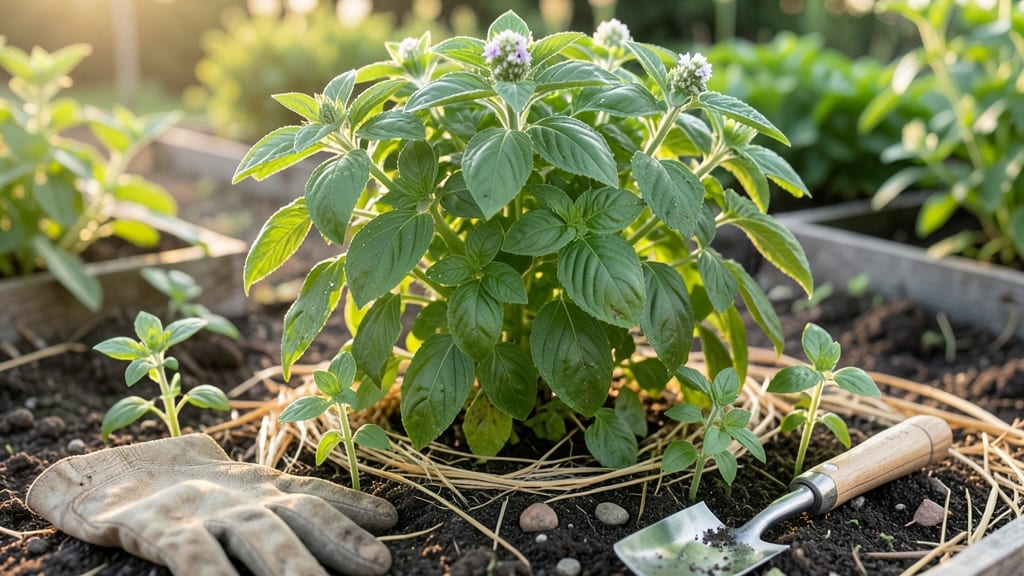
Timing your basil planting in Georgia can make the difference between a thriving 🌿 herb garden and a sad, bolted disappointment. The key is planting after the last frost—typically mid-March to early April—but there’s more to it than just dates.
Georgia’s heat and humidity love to rush basil into flowering, or "bolting," which turns your sweet leaves into bitter stems. I’ve learned the tricks to beat this, like starting seeds indoors 4-6 weeks before your last frost or choosing heat-tolerant varieties.
Let me show you exactly how to sync your planting with Georgia’s climate for the best flavor and growth.
You’ll discover the ideal soil temperature, how to extend your harvest through summer, and why late-summer plantings in August can work too. Whether you’re a beginner or a seasoned gardener, these tips will help you avoid common mistakes and keep your basil happy from June through October.
Ready to grow basil that tastes fresh and stays productive? Let’s dive into the steps that’ll keep your plants thriving in Georgia’s unique growing conditions—no bolting in sight!
Georgia’s basil planting calendar: heat zone 8A-8B timing guide
Timing is everything when growing basil in Georgia. The state’s USDA Zones 7b-8b mean you have a short window to avoid heat-induced bolting—when your basil flowers too early and loses flavor.
My research shows the ideal planting window is a razor-thin balance between escaping frost and avoiding summer’s scorching heat.
Most Georgia gardeners succeed with two planting strategies: a spring transplant and a late-summer direct sow. The key is understanding your last frost date (typically March 15 in most regions) and soil temperature thresholds. Basil needs soil at at least 50°F (10°C) to thrive—any cooler, and growth stalls.
Here’s how to align your planting with Georgia’s climate quirks to maximize your harvest window:
| Planting Method | Best Time in Georgia | Key Considerations | Expected Harvest Window |
|---|---|---|---|
| Spring Transplant | Mid-March to early April (after last frost) | Start seeds indoors 6-8 weeks before last frost; harden off before transplanting | June - October |
| Late Summer Direct Sow | Late August to early September | Sow seeds directly in garden beds; use shade cloth if temps exceed 90°F | September - November |
| Container Growing | April to October (flexible) | Move pots to shaded areas during peak summer heat; ideal for patios and balconies | May - November (with proper care) |
For spring plantings, I recommend starting seeds indoors in February to give them a head start. Georgia’s short growing season (about 210 frost-free days) means you’ll want to transplant outdoors as soon as soil warms up. Use a soil thermometer to confirm—50°F (10°C) is your magic number.
If you’re in northern Georgia (Zone 7b), aim for April 15 as your transplant date, while southern Georgia (Zone 8b) gardeners can push it to March 20. The difference in timing helps avoid late frosts that can kill tender seedlings.
For late-summer plantings, the goal is to beat the first frost (usually November 15). Direct sow seeds in August to give them time to establish before cooler weather arrives. This second crop often produces the most flavorful leaves because the cooler fall temperatures slow down bolting.
Pro tip: If you’re in Atlanta or the Piedmont region, consider a partial shade strategy during June and July. Basil can handle 30-50% shade when temperatures exceed 90°F (32°C). Use lightweight shade cloth (30-40%) to protect plants without stunting growth.
Remember, basil is a warm-season herb—it won’t tolerate cold. If you plant too early and face a late frost, your basil will suffer. Always check your local extension service for precise frost dates, as microclimates can vary even within Georgia’s counties.
By mastering these timing strategies, you’ll enjoy fresh basil from June through November—just in time for summer salads, homemade pesto, and fall harvests. The secret? Planting at the right time and giving your basil the care it needs to thrive in Georgia’s challenging climate. 🌿
How to extend your basil season in Georgia’s heat without bolting
Georgia’s summer heat can send basil into a bolting frenzy—those long, flower stalks that ruin your harvest. But with the right tricks, you can grow sweet, flavorful basil from spring through fall without losing your plants to heat stress.
The secret? Strategic timing, shade management, and heat-tolerant varieties that thrive in Georgia’s USDA Zones 7b-8b.
Start by planting heat-resistant varieties like Genovese basil or Spicy Globe, which handle Georgia’s 90°F+ temperatures better than standard types. These varieties stay productive longer, giving you months of harvests instead of just a few weeks.
Pair them with shade cloth during peak afternoon heat (12 PM–4 PM) to prevent wilting and bolting.
Here’s my step-by-step guide to extending your basil season in Georgia’s brutal summers:
If you’re growing basil in containers, switch to black or dark-colored pots—they absorb heat and can raise soil temps by 5–10°F. Place pots in partial shade during heatwaves and water deeply in the morning to prevent root stress.
Avoid overhead watering, which can spread fungal diseases like downy mildew in Georgia’s humidity.
With these tricks, I’ve grown basil year-round in my Athens garden, even through 95°F summers. The key is balancing heat protection with enough sunlight—basil needs 6+ hours of sun daily, but Georgia’s afternoon heat is its downfall.
Test different varieties and shade schedules to find what works best for your microclimate.