
Plants
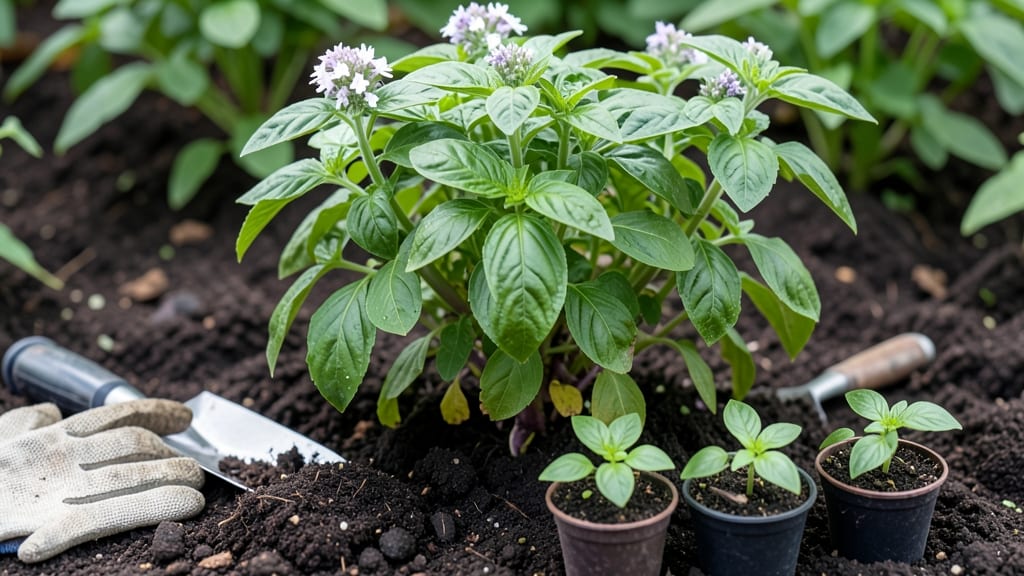
Planting basil in Virginia at the wrong time can mean the difference between a thriving herb garden 🌿 and a sad, frost-bitten disappointment. Since Virginia’s USDA zones 6a-8a bring unpredictable frost dates—ranging from mid-April in the mountains to early May near the coast—timing is everything.
You don’t want to rush and risk losing your seedlings to a late freeze, but waiting too long could mean missing the sweet spot for a full harvest before summer’s heat sets in. The key is knowing when soil temperatures hit that 50°F threshold and all frost risk has passed.
In this guide, I’ll break down the exact planting windows for your specific heat zone, whether to start indoors or sow directly, and how to protect your basil from Virginia’s tricky growing conditions. Let’s get your garden on the right track for a bountiful season.
From companion planting tips to avoiding common pitfalls, you’ll learn how to maximize your basil’s potential—no matter where in Virginia you’re gardening. Ready to grow like a pro?
Virginia basil planting calendar by heat Zone (USDA 6a-8a)
Virginia’s diverse climate—from the cool mountain valleys of USDA Zone 6a to the humid coastal plains of Zone 8a—demands precision when planting basil. The wrong timing can mean frost-killed seedlings in the north or heat-stressed plants in the south.
Let’s break down the exact frost-free windows for each zone to ensure your basil thrives from seed to harvest.
Your first step is identifying your local last frost date, which typically ranges from mid-April in northern Virginia to early March in the Tidewater region. Basil seeds and seedlings cannot tolerate frost, so waiting until after this date is critical.
For container gardeners, you can push planting slightly earlier, but in-ground basil should never face temperatures below 50°F (10°C).
Here’s the heat-zone breakdown for Virginia’s basil planting schedule, including ideal transplant dates and soil temperature requirements:
| USDA Zone | Last Frost Date | Ideal Planting Window | Soil Temp (°F) | Notes |
|---|---|---|---|---|
| 6a (Northern VA) | Mid-April | Late April to early May | 50°F+ | Start indoors in March for transplant |
| 7a (Central VA) | Early April | Mid-April to late April | 50°F+ | Direct sow or transplant after frost |
| 7b (Piedmont) | Late March | Early to mid-April | 55°F+ | Early sowing possible in containers |
| 8a (Tidewater/Southern VA) | Early March | Mid-March to early April | 60°F+ | Longer growing season; can plant twice |
For container gardening, you can start basil seeds indoors 4-6 weeks before your last frost date, using grow lights if natural light is limited. Transplant seedlings outdoors once they’ve developed 4-6 true leaves and nighttime temperatures stay above 55°F (13°C).
Containers warm up faster than garden beds, so you can often plant 1-2 weeks earlier than in-ground basil.
In USDA Zone 8a, where frost is rare, you can even attempt a fall planting of basil varieties like ‘Sweet Basil’ or ‘Spicy Globe’. Sow seeds in late summer (August) for a harvest before the first frost, which typically arrives in mid-October.
Just be prepared to protect plants with row covers if temperatures dip below 50°F (10°C).
No matter your zone, soil preparation is key. Virginia’s clay-heavy soils drain poorly, so amend with compost or aged manure to improve drainage. Basil prefers well-draining, slightly acidic soil (pH 6.0-7.0). Test your soil’s pH before planting—Virginia’s native soils often lean alkaline, which can stunt basil growth.
Pro tip: If you’re eager to harvest early, start basil indoors under grow lights in late February for Zone 8a or early March for Zone 7b. Use seed-starting mix and keep soil temperatures at 70-75°F (21-24°C) for optimal germination.
Seedlings will be ready to transplant outdoors by mid-April in most of Virginia.
Remember, basil is a heat-loving herb, so avoid planting too early. In Zone 6a, rushing to plant in March can lead to stunted growth or even death if a late frost hits.
Patience pays off—wait until the soil is consistently warm and the risk of frost is gone before committing your seedlings to the ground.
🌱
Virginia basil planting calendar by heat Zone (USDA 6a-8a)
Virginia’s diverse climate—from the cooler Blue Ridge Mountains to the humid Tidewater coast—means your basil planting window depends heavily on your USDA zone.
In Zone 6a (northern VA), wait until mid-May after the last frost, while Zone 8a (southern VA) gardeners can start as early as late March. Soil temperature is your best indicator: aim for at least 50°F (10°C) before planting.
For container gardening, you can push boundaries slightly—pots warm up faster than soil, so Zone 7a gardeners might start 2 weeks earlier than in-ground planters. However, always monitor nighttime temperatures, as basil is frost-sensitive even in its seedling stage. Use a soil thermometer to avoid guesswork.
🌱
Virginia Basil Planting Guide by Zone
| Zone | Last Frost Date | Ideal Planting Window | Container Adjustment | Harvest Start |
|---|---|---|---|---|
| 6a (Northern VA) | Mid-May | Late May - Early June | Start 2 weeks earlier | July |
| 7a (Central VA) | Early April | Mid-April - Late May | Start 1 week earlier | June |
| 7b (Piedmont) | Late March | Early April - Early May | Start same as ground | Late May |
| 8a (Tidewater/Southern VA) | Mid-March | Late March - April | No adjustment needed | May |
*Harvest times assume ideal growing conditions and regular care.
If you’re starting basil indoors, begin 6-8 weeks before your zone’s last frost date to give seedlings time to harden off. For example, Zone 6a gardeners should sow seeds by early April, while Zone 8a can start as late as mid-February.
Use grow lights if natural light is limited—basil needs 12-16 hours of light daily for strong growth.
For direct sowing outdoors, scatter seeds ¼-inch deep after the last frost, spacing them 12-18 inches apart. Thin seedlings to 6-8 inches apart once they’re 2-3 inches tall to prevent overcrowding.
In humid Virginia summers, mulch around plants to retain moisture and suppress weeds, but avoid wet mulch, which can cause root rot.
Remember: Basil bolts quickly in Virginia’s heat, so prioritize shade cloth during July and August if temperatures exceed 90°F (32°C). This simple step can extend your harvest by 4-6 weeks into fall.
☀️