
Plants
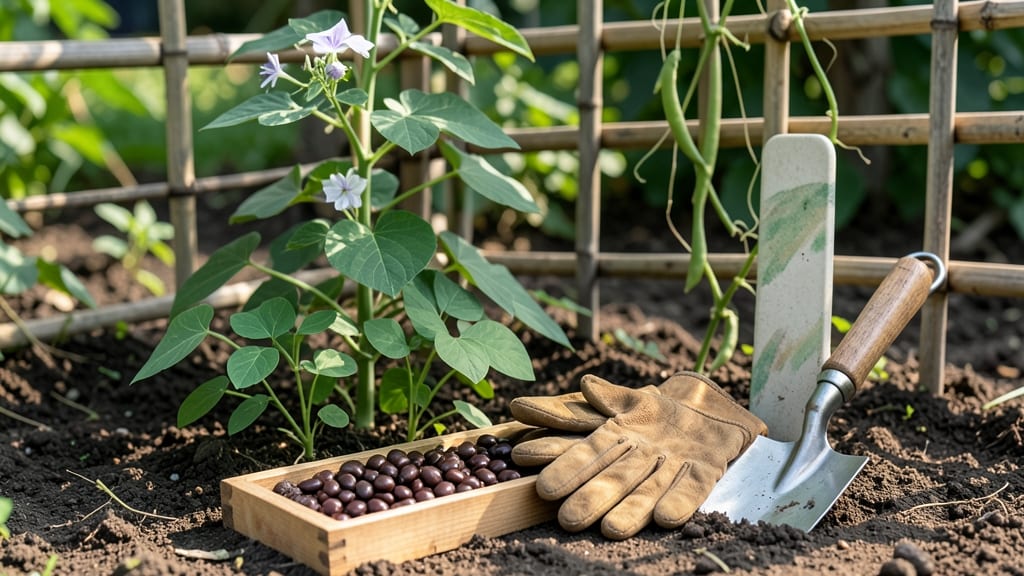
Timing your bean planting in Georgia isn't just about the calendar—it's about beating the heat and avoiding frost, two forces that can turn your 🌱 bean dreams into a flop.
Plant too early, and those tender seedlings might not survive the last frost; too late, and your plants could bolt before you even get to harvest. The sweet spot? A window so precise that even a week makes all the difference.
Here's the secret Georgia gardeners swear by: March to April for spring plantings and August to September for fall, when soil temperatures hit that magic 60°F threshold. But it's not just about the months—it's about your specific zone.
Whether you're in the cooler hills of North Georgia or the warmer coastal plains, the right timing ensures your beans grow strong, not stressed.
I've learned the hard way that rushing the process leads to stunted growth or worse—beans that never even set pods. The key is patience and preparation: waiting for the last frost to pass, prepping your soil just right, and choosing varieties that thrive in Georgia's heat.
Let me show you exactly how to nail those planting windows for maximum yield—no guesswork, just results.
From bush beans to pole varieties and everything in between, we'll cover the exact dates, soil tips, and care tricks that make the difference between a mediocre harvest and a garden bursting with fresh, homegrown beans. Ready to grow like a pro?
Georgia bean planting deadlines by heat zone and bean type
Georgia’s USDA zones 7b-8b offer two prime planting windows for beans: spring (March-April) and fall (August-September). But timing varies dramatically between bush beans, pole beans, and lima beans—each has unique heat tolerance thresholds.
Plant too early, and frost zaps tender seedlings; too late, and 90°F+ heat triggers premature podding. Let’s break down the exact deadlines by variety and microclimate.
Most Georgia gardeners focus on green beans (bush and pole) and lima beans, but Southern favorites like cowpeas thrive in late summer plantings.
The key is aligning your schedule with soil temperatures (minimum 60°F) and frost-free dates, which shift from mid-March in Atlanta to late February in Savannah. For pole beans, which need 120+ days to mature, start seeds indoors 4-6 weeks before your last frost date.
Spring planting is riskier in North Georgia (zone 7b) due to late frosts, while Coastal Georgia (zone 8b) can push fall plantings into October. Lima beans, heat-lovers, should never go in before May 15—their 95°F+ tolerance makes them ideal for late-season gardens. Meanwhile, bush beans mature faster (50-60 days) and handle cooler soils better than pole varieties.
| Bean Type | Spring Planting Window | Fall Planting Window | Soil Temp Requirement | Days to Maturity | Heat Tolerance |
|---|---|---|---|---|---|
| Bush Beans (e.g., Blue Lake) | March 15 - April 15 | August 1 - September 1 | 60°F+ | 50-60 days | Up to 85°F |
| Pole Beans (e.g., Kentucky Wonder) | April 1 - May 1 (start indoors) | July 15 - August 15 | 65°F+ | 120-150 days | Up to 90°F |
| Lima Beans (e.g., Fordhook) | May 15 - June 15 | July 1 - August 15 | 70°F+ | 80-100 days | Up to 95°F |
| Cowpeas (e.g., Purple Hull) | April 15 - May 15 | July 1 - September 1 | 75°F+ | 90-110 days | Up to 100°F |
*Adjust dates 1-2 weeks earlier for Coastal Georgia (zone 8b) and later for North Georgia (zone 7b).
For pole beans, which need trellises and longer growing seasons, aim to plant 4-6 weeks before your last frost—typically April 1 in most of Georgia. These varieties demand 65°F+ soil and struggle if temperatures dip below 50°F at night.
In contrast, bush beans are more forgiving, tolerating 55°F soil and maturing in just 50-60 days, making them ideal for succession planting every 2 weeks from March to July.
Lima beans and cowpeas are the heat champions of Georgia’s bean family. Lima beans won’t germinate below 70°F, so wait until mid-May for spring plantings. Cowpeas, drought-tolerant and 100°F-resistant, can even handle poor soils—perfect for late summer when other crops falter.
For both, direct-sow seeds 1 inch deep and thin seedlings to 4-6 inches apart.
Georgia’s humid summers can stress beans if not managed properly. Use shade cloth (30-50%) during 95°F+ heatwaves to prevent premature podding. Mulch with straw or pine needles to keep roots cool and moist.
In North Georgia’s cooler microclimates, extend the season with row covers for early spring plantings—just remove them when flowers appear to prevent overheating.
Pro tip: Test your soil pH (beans prefer 6.0-7.0) and amend with compost or aged manure before planting. Over-fertilizing with nitrogen leads to leafy growth at the expense of pods. Instead, use a
How to adjust planting times for Georgia’s microclimates and soil conditions
Georgia’s diverse climate zones and soil types mean your bean planting schedule should adapt to your specific location. Urban gardens in Atlanta or Savannah face different challenges than rural areas in North Georgia’s mountains or South Georgia’s sandy loams. Let’s break down how to fine-tune your planting for success.
First, consider your microclimate. Urban areas often experience heat islands—concrete and pavement trap warmth, making soil warm up faster in spring.
If you’re in Zone 8a (like Macon), you can plant beans as early as mid-February for a spring crop, while Zone 7b areas (like Dahlonega) should wait until late March.
Soil type plays a huge role too. Georgia’s famous red clay drains poorly, while sandy loam dries out quickly. For clay soils, amend with compost or sand to improve drainage.
Sandy soils? Add organic matter like peat moss to retain moisture. Both adjustments give your beans the stable, well-draining environment they crave.
Key Takeaway: Adjust for Your Conditions
For late-season beans, extend your harvest by using mulch (straw or black plastic) to keep soil warm. In North Georgia, this lets you plant pole beans as late as June 1 for a fall crop.
Pair beans with companion plants like corn or cucumbers to improve soil structure and deter pests.
If your garden gets intense afternoon sun (common in South Georgiashade-tolerant varieties like ‘Contender’ bush beans or use 30% shade cloth during peak heat. This prevents heat stress, which causes beans to bolt prematurely or develop bitter pods.
Finally, monitor your soil temperature with a soil thermometer. Beans need soil at least 60°F to germinate. In Zone 7b, this usually happens by mid-April, while Zone 8a soils may be ready by early March. Adjust your schedule based on real-time data, not just calendar dates.
With these adjustments, you’ll avoid common pitfalls like frost damage, poor germination, or disease pressure. Georgia’s climate is forgiving—when you align your planting with local conditions, you’ll enjoy a bountiful bean harvest from spring through fall. 🌱