
Plants
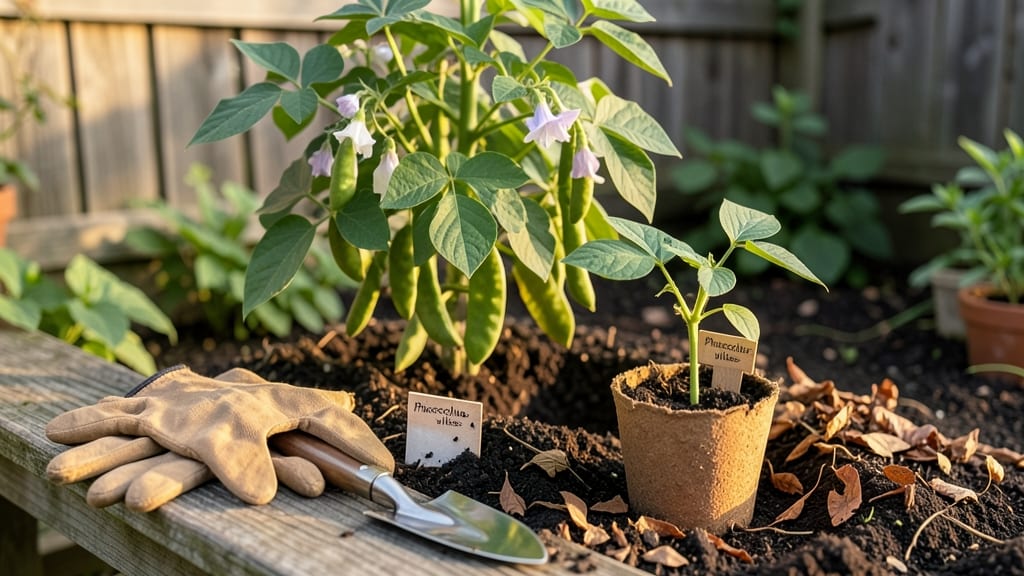
Planting beans in Indiana at the wrong time can mean the difference between a bountiful harvest and wasted effort. The secret to success? Waiting until soil temperatures hit that sweet spot of 60°F or warmer, typically after your last frost date—usually around April 15 but varying by region.
I’ve learned the hard way that rushing beans into cold soil slows germination and invites pests. Whether you’re growing pole beans or bush varieties, timing matters just as much as soil prep.
Let’s break down the exact windows for your part of Indiana—because a few weeks can mean the difference between fast growth and frustration.
From northern Indiana’s cooler microclimates to southern areas with earlier warming trends, your location dictates the best dates. We’ll cover how to adjust for frost risks, choose the right varieties, and even extend your harvest with smart planting strategies. Ready to turn your garden into a bean bonanza?
Grab your gloves—by the end of this, you’ll know exactly when to drop those seeds for maximum yield and minimal guesswork. Let’s get those beans 🌱 growing on schedule!
Indiana bean planting calendar: soil temperature & frost date guide
Indiana’s climate varies from northern zones (5b) to southern regions (6b), so timing is critical. Beans thrive when soil reaches 50-60°F—any cooler, and germination slows dramatically. In northern Indiana, wait until mid-May for safety, while southern Indiana can start as early as late April.
Use your last frost date as a baseline: April 15 in most of Indiana. However, beans are fast growers (50-65 days to harvest), so you can plant 2-3 weeks after frost for a reliable crop.
For example, May 1 is ideal for northern counties like Gary, while April 20 works for Evansville.
Here’s the golden window for Indiana gardeners: April 20–June 1. This range accounts for soil warming, frost risk, and harvest timing before summer heat sets in. Pole beans, which mature slower, benefit from earlier planting, while bush beans can handle late-May starts for a fall harvest.
🌱
| Region | Last Frost Date | Ideal Planting Window | Soil Temp Threshold | Notes |
|---|---|---|---|---|
| Northern Indiana (e.g., Fort Wayne, Gary) | April 15–May 1 | May 1–May 15 | 55–60°F | Use row covers for early starts |
| Central Indiana (e.g., Indianapolis, Lafayette) | April 1–April 15 | April 20–May 10 | 50–55°F | Pole beans prefer earlier planting |
| Southern Indiana (e.g., Evansville, Terre Haute) | March 20–April 1 | April 15–June 1 | 50–60°F | Extend season with succession planting |
For succession planting, sow new seeds every 2 weeks until June 15. This ensures a continuous harvest through September, even as summer heat arrives. For example, plant Blue Lake beans on May 1, May 15, and June 1 to stagger maturity.
If you’re unsure about soil temperature, use a soil thermometer—beans won’t germinate well below 50°F. In cooler years, opt for warmer-season varieties like ‘Provider’ or ‘Tendercrop’, which tolerate heat better than traditional types.
Pro tip: Direct-sow seeds rather than transplanting. Bean roots are delicate, and transplant shock can delay growth by 1–2 weeks. Drop seeds 1 inch deep, 3–4 inches apart, and thin seedlings to 4–6 inches for bush beans or 6–8 inches for pole beans.
🌿
In northern Indiana, where frost lingers, consider cold frames or row covers to jumpstart germination. These can raise soil temperature by 5–10°F, letting you plant 1–2 weeks earlier without risk. Just remove covers once plants emerge to prevent overheating.
Finally, keep an eye on weather forecasts. If a late frost is predicted after your planting date, delay by 1 week—beans won’t survive even a light freeze. Use National Weather Service alerts or local Cooperative Extension offices for real-time updates.
Indiana bean planting calendar: soil temperature & frost date guide
Indiana’s climate varies from northern cooler zones to warmer southern regions, so timing your bean planting is critical. The last average frost date in most of Indiana falls around April 15, but soil temperature matters more than calendar dates.
Beans need soil that’s at least 50°F for germination, but they thrive best when soil reaches 60-65°F. In northern Indiana, wait until mid-May for safety, while southern Indiana gardeners can start as early as late April.
For pole beans, which take longer to mature, aim for planting between April 20 and May 10 in most regions. Bush beans, which mature faster, can handle a slightly later start—May 1 to June 1.
This flexibility lets you stagger plantings for a continuous harvest through summer and into early fall.
🌱
| Region | Last Frost Date | Ideal Planting Window | Soil Temp Threshold |
|---|---|---|---|
| Northern Indiana (e.g., Fort Wayne, Gary) | April 20-May 5 | May 10-June 1 | 60-65°F |
| Central Indiana (e.g., Indianapolis, Lafayette) | April 15-25 | April 25-May 20 | 55-60°F |
| Southern Indiana (e.g., Evansville, Bloomington) | April 10-20 | April 15-May 15 | 50-55°F |
🌡️ Pro Tip: Use a soil thermometer to confirm readiness—beans won’t germinate in cold soil!
If you’re unsure about your local frost dates, check the Indiana State Climate Office or use the National Weather Service’s frost prediction maps. For succession planting, sow new seeds every 2-3 weeks after your initial planting to ensure a steady supply of fresh beans throughout the season.
This works especially well for bush beans, which mature in just 50-60 days.
For gardeners in Zone 5b (northern Indiana), consider using black plastic mulch to warm the soil faster and extend the growing season.
In Zone 6b (southern Indiana), you can push your last planting as late as June 15 for a fall harvest, provided you choose heat-tolerant varieties like ‘Iron Clay’ or ‘Rattlesnake’.
Remember, beans are heat-loving plants, so avoid planting when nighttime temperatures exceed 80°F for extended periods. If your summer heats up quickly, opt for shorter-season varieties or provide afternoon shade with row covers to prevent flower drop.
🌿