
Plants
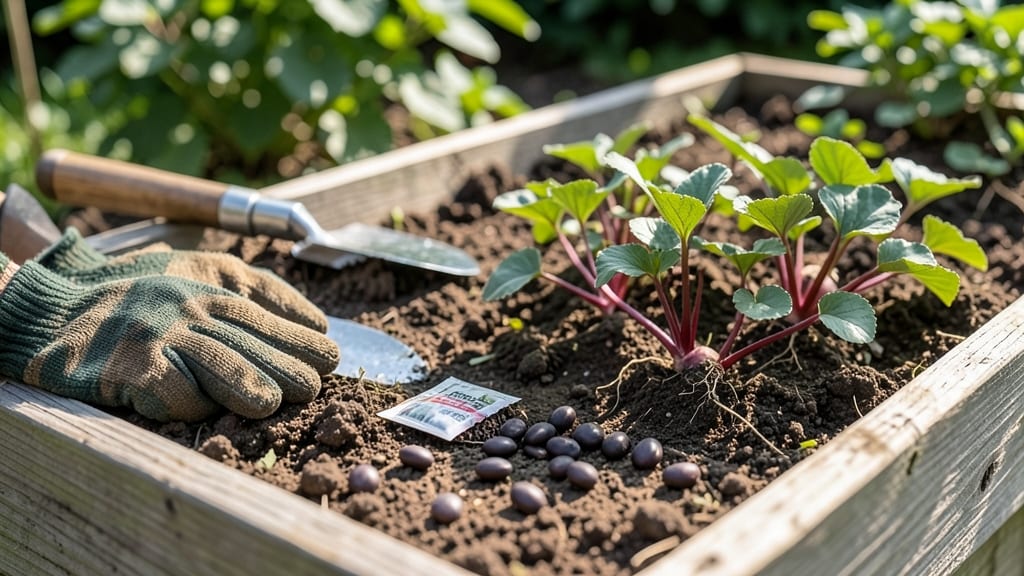
When to plant beet seeds in Zone 6 could mean the difference between a bumper crop of sweet, tender 🍠 roots and a patch of bitter, woody failures—so let’s get this right.
Beets are cool-weather champions, but planting too early risks frost damage, while waiting too long can trigger bolting (that’s when they flower instead of growing). In Zone 6, the sweet spot is early spring (as soon as soil reaches 45°F) or late summer (after the heat of July).
I’ll walk you through the exact dates, soil prep secrets, and how to stretch your harvest with succession planting—no guesswork, just proven results for your garden.
Whether you’re a first-time gardener or a seasoned pro, these tips will help you avoid common pitfalls and grow beets that rival the farmers’ market.
Zone 6 beet planting calendar: exact start dates for spring and fall success
Timing your beet seeds in Zone 6 means balancing soil temperatures and frost dates—too early, and you risk bolting; too late, and your harvest shrinks. My Zone 6 garden thrives when I plant beets during two key windows: early spring (March-April) and late summer (July-August).
These windows align with soil temps between 45°F and 80°F, ideal for germination and root development.
For spring planting, I start seeds indoors 4-6 weeks before the last frost date (April 15 in most of Zone 6). This gives seedlings a head start before transplanting outdoors. If you prefer direct sowing, wait until soil temps hit 50°F—usually mid-April.
For fall harvests, sow seeds in late July to ensure roots mature before first frost (October 15).
Here’s the beet planting timeline I follow to maximize yields in my Zone 6 garden:
| Planting Window | Soil Temp | Action | Notes |
|---|---|---|---|
| Early Spring (Indoors) | 45°F-55°F | Start seeds 4-6 weeks before last frost | Use grow lights if natural light is weak |
| Early Spring (Outdoors) | 50°F+ | Direct sow after last frost | Plant 1/2" deep, 1-2" apart |
| Late Spring (Succession) | 55°F-70°F | Sow every 2-3 weeks | Extend harvest until early summer |
| Late Summer (Fall) | 60°F-75°F | Direct sow by July 20 | Harvest before first frost |
I always test soil temps with a thermometer before planting—beet seeds won’t germinate below 50°F. In my Zone 6 garden, I’ve found that early April is the safest time for direct sowing, but I cover seeds with row fabric to protect them from late frosts.
For fall planting, I aim to finish sowing by July 31 to avoid roots becoming woody before frost.
Another trick I use is succession planting every 2-3 weeks after the first sowing. This ensures a continuous harvest from June through October. For example, my first planting in early April yields harvests by mid-June, while a second planting in late May extends the season into early August.
The key is spacing plantings so that you’re always harvesting while others are still growing.
Don’t forget to prepare your soil before planting. Beets prefer loose, well-draining soil with a pH of 6.0-7.0. I mix in compost and a balanced fertilizer (like 5-10-10) at planting time to give roots a nutrient boost.
Avoid fresh manure—it can cause bolting or forked roots. Instead, I use aged compost or a slow-release organic fertilizer.
If you’re new to beet growing, start with small batches to test your timing. I once planted too late in August and ended up with tiny, woody roots—a lesson that taught me to stick to the July deadline.
Over the years, I’ve refined my approach to Zone 6 beet planting, and now I consistently get sweet, tender roots all season long.
For fall harvests, I also use row covers to extend the season by 2-3 weeks. These lightweight fabrics protect plants from light frosts while still allowing sunlight and water to penetrate.
Just remove them on warm days to prevent overheating. This simple trick has helped me harvest beets well into October, even in Zone 6’s cooler climate.
Finally, keep an eye on weather forecasts when planting. If a heatwave is predicted, beets may bolt prematurely. In such cases, I use shade cloth to protect seedlings until temps drop.
With the right timing and a little extra care, Zone 6 gardeners can enjoy homegrown beets from spring through fall!
Zone 6 beet planting calendar: exact start dates for spring and fall success
Timing is everything when planting beet seeds in Zone 6. These cool-weather crops thrive when soil temperatures hover between 45°F and 85°F, but planting too early or late risks bolting or poor harvests.
In Zone 6, your best windows are early spring (March-April) and late summer (July-August), with adjustments based on your last frost date.
Most Zone 6 gardeners can start beet seeds outdoors 4-6 weeks before the last frost date (typically mid-March to early April). This timing ensures seedlings emerge when soil temps are consistently above 45°F—critical for germination.
For a fall harvest, aim to plant seeds by mid-July to allow roots to mature before winter sets in.
🌱 Zone 6 Beet Planting Timeline
| Planting Window | Soil Temp | Action | Notes |
|---|---|---|---|
| Early Spring | 45°F-65°F | Sow seeds March 15-April 15 | Use row covers for frost protection |
| Late Spring | 65°F-75°F | Sow seeds April 15-May 15 | Thin seedlings to 3-4" |
| Fall | 50°F-70°F | Sow seeds July 15-August 15 | Harvest before first frost |
For spring plantings, focus on Detroit Dark Red or Golden varieties—they handle cooler soils better. If your soil stays cold past April, consider starter plants or a cold frame to jumpstart growth. In fall, opt for Chioggia or Babybeat varieties, which mature faster before frost.
Pro tip: Test your soil before planting—beets prefer pH 6.0-7.0. Amend with compost if needed, and avoid fresh manure, which can cause bolting. Mulch with straw to maintain even moisture and suppress weeds, which compete for nutrients.
Remember, succession planting every 2-3 weeks from March through July keeps your harvests steady. Even in Zone 6, you can enjoy fresh beets from June through October with proper timing and care. The key is consistency—don’t let your soil dry out or overheat!
If you’re new to beet growing, start with one variety in spring and another in fall. Track your planting dates and note which varieties perform best in your microclimate.
With these exact start dates, you’ll avoid the most common mistakes and enjoy a bountiful harvest of sweet, tender roots all season long. 🌱