
Plants
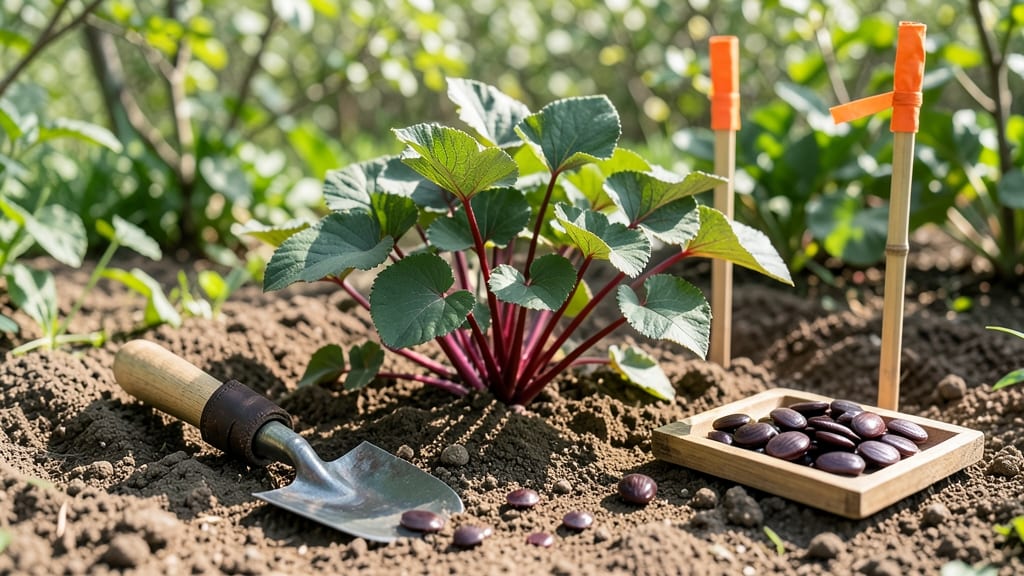
Timing your 🍠 beet planting in Seattle isn’t just about following a calendar—it’s about outsmarting the city’s unpredictable mix of rain, frost, and sudden warmth. Plant too early, and you risk bolting roots; too late, and you’ll miss the sweet spot for harvests before the first frost hits.
The key is knowing exactly when to start seeds for tender, flavorful beets in Zone 8a’s cool, wet climate.
Most gardeners in Seattle swear by two planting windows: early spring (March–April) and late summer (July–August). These timelines let you beat the frost while giving your beets enough daylight to mature before the chill sets in.
But here’s the catch—Seattle’s microclimates can shift these windows by weeks, especially if you’re tucked into a sheltered urban garden or a cooler neighborhood.
I’ve grown beets in Seattle for years, and the difference between a bountiful harvest and a bitter disappointment often comes down to soil temperature, seed spacing, and knowing when to thin seedlings.
Whether you’re a first-time gardener or a seasoned green thumb, these proven strategies will help you grow beets that are crisp, sweet, and ready to pick at the perfect moment.
Ready to dig in? Let’s break down the ideal planting schedule, soil prep secrets, and how to adjust for Seattle’s quirks—so you can enjoy homegrown beets from June through November. No more guesswork, just delicious results.
Best planting windows for beets in Seattle’s climate
Seattle’s cool, wet climate and Zone 8a/8b frost dates create two perfect windows for planting beets: early spring and late summer. Timing matters—plant too early, and frost will damage tender seedlings; too late, and your harvest will suffer from heat stress or bolting.
Let’s break down the ideal months and why they work for Seattle’s unique conditions.
For spring plantings, aim for late March through early April when soil temperatures reach 40°F (4°C) and the last frost date (around March 15) has passed.
This gives beets 60-70 days to mature before summer heat arrives. Fall plantings should start in mid-July to early August to ensure harvests before the first frost (November 15) hits.
Beets thrive in cooler temperatures (50-75°F / 10-24°C), making Seattle’s spring and fall seasons ideal. Summer heat can cause beets to bolt prematurely or develop woody, bitter roots, so avoid planting after mid-June unless you’re using shade cloth or row covers.
Here’s a quick reference for Seattle’s planting windows, including soil prep and harvest timelines:
| Planting Window | Soil Temp | Days to Harvest | Harvest Months | Key Tip |
|---|---|---|---|---|
| Late March - Early April | 40-50°F (4-10°C) | 50-60 days | June - July | Plant after last frost, thin seedlings to 3-4" |
| Mid-July - Early August | 50-60°F (10-15°C) | 50-60 days | October - November | Use fast-maturing varieties for fall harvests |
| February (with protection) | 35-40°F (2-4°C) | 60-70 days | May - June | Cover with row fabric for frost protection |
If you’re eager to start earlier, February plantings are possible with row covers or cold frames to protect seedlings from frost. However, beets grown this early may take longer to mature and could be bolted by summer. For best results, stick to the March-April and July-August windows.
Seattle’s rainy seasons (fall and winter) can also affect planting. Avoid sowing in December or January when soil is waterlogged or too cold. Instead, plan for spring succession plantings every 2-3 weeks from March to May to ensure a continuous harvest.
For container gardening, start seeds indoors in late February and transplant outdoors after the last frost. Use well-draining pots and keep them in a sunny spot with 6+ hours of light daily. Containers warm up faster than garden beds, so monitor soil moisture closely to prevent drying out.
Pro tip: Direct sow seeds rather than transplanting seedlings, as beets hate root disturbance. Scatter seeds ½ inch deep and 1-2 inches apart, then thin to 3-4 inches once seedlings emerge. This method reduces stress and ensures strong root development.
Finally, choose fast-maturing varieties like ‘Detroit Dark Red’ or ‘Babybeat’ for Seattle’s shorter growing season. These varieties reach harvest size in 50-55 days, giving you more flexibility for late summer plantings.
Best planting windows for beets in Seattle’s climate
Seattle’s Zone 8a/8b climate gives you two prime windows for planting beets: early spring and late summer. The first window runs from mid-March to mid-April, when soil temperatures hover around 50°F (10°C)—perfect for germination.
This timing lets you harvest tender roots by June or July before summer heat stresses the plants.
Your second planting window opens in late July to early August, targeting a harvest before the first frost hits around mid-November. Beets planted now mature just in time for fall feasts, with roots ready by October.
The key is avoiding late summer heatwaves, which can cause bolting (premature flowering).
🌱 Pro Tip: Use a soil thermometer to confirm temperatures are at least 45°F (7°C) before planting—cold soil delays germination.
| Planting Window | Soil Temp | Days to Harvest | Harvest Month |
|---|---|---|---|
| Mid-March to Mid-April | 50-60°F (10-15°C) | 50-60 days | June-July |
| Late July to Early August | 55-65°F (13-18°C) | 45-55 days | October-November |
For continuous harvests, stagger plantings every 2-3 weeks within these windows. This ensures a steady supply of beets without overwhelming your garden. For example, plant a batch in early March, another in mid-April, and a final one in late July.
🌿 Seattle-Specific Tip: If your garden sits in a cooler microclimate (like near Puget Sound), delay spring plantings until late March to avoid frost damage. Conversely, urban heat islands may allow earlier starts—watch for 60°F (15°C) soil as your cue.
Remember, beets are cold-hardy but heat-sensitive. Planting too late in summer risks bolting, while early spring plantings may struggle if frost lingers. Balance these factors with your local last frost date (typically March 15 in Seattle) for foolproof timing.