
Plants
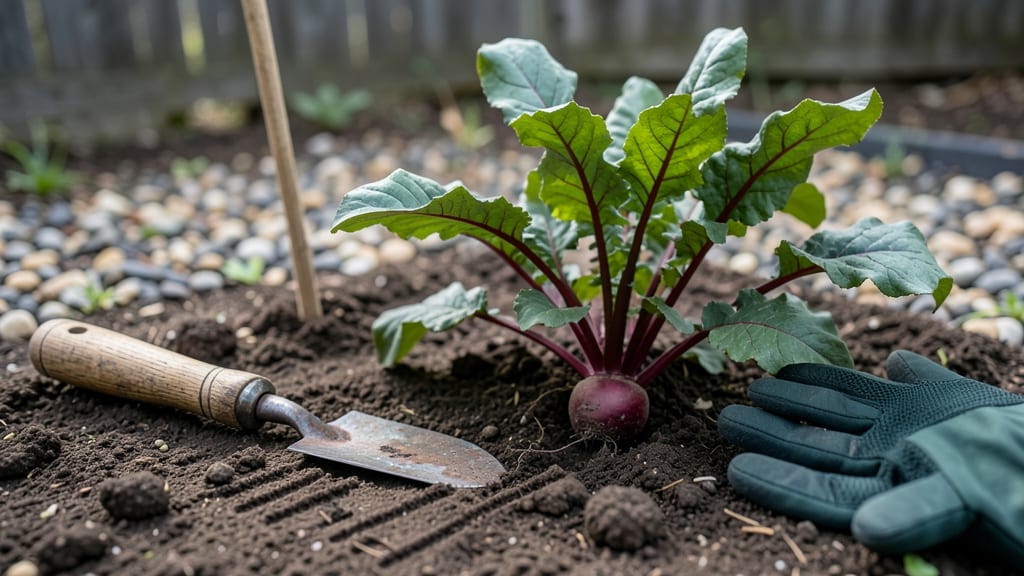
Planting beets in South Carolina at the wrong time can turn your sweet, tender 🍠 harvests into bitter, woody disappointments - and timing is everything in the Palmetto State's unpredictable climate.
If you've ever watched your beet seedlings bolt prematurely or struggle with heat stress, you're not alone. The key to zero-bolt success lies in understanding South Carolina's two distinct planting windows: early spring and late summer.
These strategic periods give you the best chance for perfect harvests before the heat sets in.
For spring plantings, aim to get seeds in the ground between February and March - ideally after your last frost date around March 15. This gives your beets 50-70 days of ideal growing conditions before summer heat arrives.
But don't stop there - fall plantings in August and September offer a second chance for harvests before winter sets in.
I'll show you exactly how to time your plantings for maximum success, including soil prep tips, variety selection, and how to extend your growing season using simple techniques that work in our Zone 8a climate. Let's get those beets growing right!
South Carolina's optimal beet planting calendar: spring vs fall deadlines for zero-bolt success
South Carolina's Zone 8a climate creates two perfect windows for beet planting that avoid the state's biggest enemy: heat-induced bolting. The key is timing your plantings to give beets 50-70 cool growing days before summer temperatures climb above 80°F or winter frosts arrive.
For most of South Carolina, the last average frost date falls around March 15, while the first frost typically arrives by November 15. These dates create your planting boundaries, but regional differences matter - coastal areas stay warmer longer than inland zones.
Let's break down the ideal planting schedule by season, including soil temperature requirements that often get overlooked but are critical for germination success.
🌱
| Planting Window | Soil Temp Requirement | Key Months | Harvest Window | Regional Notes |
|---|---|---|---|---|
| Early Spring | 50-60°F (minimum) | February-March | May-June | Coastal areas: start 2 weeks earlier |
| Late Summer | 60-70°F (maximum) | August-September | October-November | Inland areas: extend to early October |
| Fall Succession | 55-65°F | September-October | November-December | Use row covers for protection |
Your spring planting should begin as soon as soil temperatures reach 50°F - typically in late February for inland areas and early February along the coast. This gives you a 70-day growing window before summer heat arrives.
For fall plantings, aim to get seeds in the ground by mid-August to allow 60 days of growth before winter sets in. Soil temperatures should stay below 70°F to prevent bolting, which is why late summer is ideal.
I recommend using a soil thermometer to verify temperatures - beets won't germinate well below 50°F or above 85°F. The USDA Plant Hardiness Zone Map shows South Carolina as primarily Zone 8a, but microclimates vary significantly.
🌡️
One common mistake is planting too early in spring when soils are still cold. Beets germinate slowly in below-50°F soils, making them vulnerable to rot. Similarly, planting too late in summer risks heat stress that triggers bolting before harvest.
For coastal gardeners, extend your spring window by 2 weeks due to warmer ocean-influenced temperatures. Inland gardeners should wait until mid-March to ensure soil warmth and avoid late frosts.
Pro tip: Use black plastic mulch in early spring to warm soils faster and extend your planting window by 10-14 days. This technique works especially well in Zone 8a where spring soils can be unpredictable.
✂️
How to extend your beet growing season in South Carolina's climate
South Carolina's short growing season and unpredictable weather can limit your beet harvests, but with the right techniques, you can enjoy fresh beets for 8+ months instead of just 2-3.
The key is using season extension methods that work with our Zone 8a climate, where summer heat and winter frosts both threaten your crop.
For spring plantings, I recommend starting with cold frames or low tunnels to create a microclimate that warms soils faster. These structures can extend your planting window by 3-4 weeks, allowing you to sow seeds as early as January in protected environments.
This gives you a jumpstart on the season before transplanting seedlings outdoors in late February.
🌱
- 🔹 Cold frames - Extend spring by 3-4 weeks, protect from light frosts
- 🔹 Row covers - Shield from heat stress in summer, prevent bolting
- 🔹 Succession planting - Sow every 2 weeks for continuous harvests
- 🔹 Heat-tolerant varieties - 'Detroit Dark Red' handles 85°F better than most
- 🔹 Drip irrigation - Maintains consistent moisture during heat waves
For fall extensions, row covers are your best friend. They protect young plants from early frosts while still allowing sunlight to penetrate. I've successfully grown beets through December using lightweight row covers, harvesting tender roots just before Christmas.
Pair this with succession planting every 2 weeks from August through September to ensure a steady supply.
🌡️
One often-overlooked technique is shade cloth during summer months. When temperatures exceed 85°F, beets will bolt within days. A 30-50% shade cloth can drop soil temperatures by 10-15°F, creating the ideal 60-70°F range for growth.
This allows you to plant a late summer crop that would otherwise fail in South Carolina's heat.
For coastal gardeners, take advantage of your longer growing season by planting heat-tolerant varieties like 'Cylindra' or 'Early Wonder Tall Top'. These varieties can handle 5-7 more days of heat before bolting compared to standard types.
Inland gardeners should focus on early maturing varieties like 'Babybeat' that reach harvest in just 45 days.
My top recommendation? Combine succession planting with season extension tools. By planting every 2 weeks from February through September and using row covers on fall plantings, you can enjoy fresh beets from April through December - nearly year-round in South Carolina's climate!
✂️