
Plants
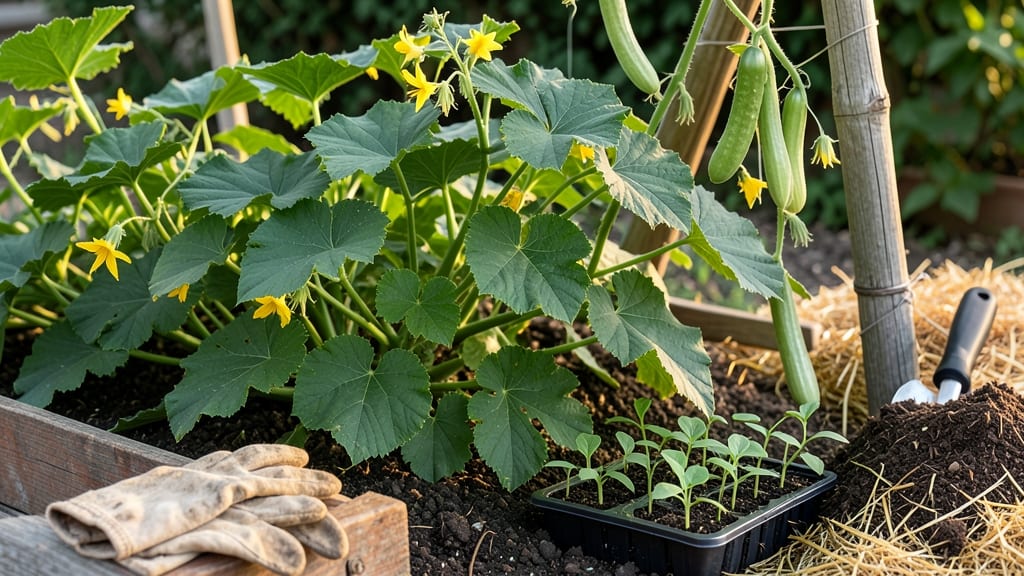
Planting cucumbers in South Carolina at the wrong time can mean the difference between a bountiful harvest and bitter disappointment—or worse, bolting vines that refuse to produce.
The key to success lies in understanding your local heat zones and frost dates, because waiting too long risks scorched plants while planting too early invites frost damage.
With USDA zones 7b-8a across the state, your timing should shift depending on whether you're in the cooler Piedmont or warmer coastal regions.
I’ll break down the exact windows—mid-April to early June for spring plantings and late July to early August for fall—so you can align your schedule with nature’s rhythm rather than guesswork.
Beyond dates, soil temperature matters just as much as calendar days. Cucumbers need warm soil (60°F+) to germinate properly, and black plastic mulch can give your garden a head start in cooler zones. Let’s dive into the science-backed strategies that’ll help you avoid common pitfalls and maximize your 🥒 harvest.
Whether you’re a first-time gardener or a seasoned pro, these insights will help you grow cucumbers that thrive—not just survive—in South Carolina’s unique climate. Ready to turn your garden into a productive powerhouse?
South Carolina heat zones: best planting windows by region
South Carolina’s diverse climate—from the humid coastal plains to the rolling Piedmont hills—creates distinct microclimates that impact cucumber planting. The state spans USDA zones 7b to 8a, meaning your last frost date can vary by 2-3 weeks between Charleston and Greenville.
For example, coastal areas like Myrtle Beach typically see their last frost around March 15, while inland zones like Columbia may wait until April 1.
To avoid frost damage or heat stress, align your planting with soil temperatures. Cucumbers need 60°F+ soil to germinate—use a soil thermometer to confirm readiness. In cooler Piedmont regions, black plastic mulch can raise soil temps by 5-10°F, extending your planting window by 1-2 weeks.
Here’s your region-specific planting timeline, tailored to SC’s heat zones and frost-free periods:
| Region | USDA Zone | Last Frost | Spring Planting Window | Fall Planting Window | Key Tip |
|---|---|---|---|---|---|
| Coastal (e.g., Charleston, Myrtle Beach) | 8a | March 15 | Mid-April to May 1 | Late July to August 1 | Use shade cloth in summer to prevent bolting. |
| Piedmont (e.g., Columbia, Greenville) | 7b-8a | April 1 | Late April to May 15 | Late July to August 10 | Black plastic mulch warms soil faster in cooler zones. |
| Upstate (e.g., Spartanburg, Anderson) | 7b | April 15 | Early May to June 1 | Late July to August 5 | Start seeds indoors 2-3 weeks before last frost. |
For fall harvests, aim to plant cucumbers 80-90 days before your first frost (typically late July to early August). This gives vines time to mature before temperatures drop below 50°F.
In coastal areas, you might squeeze in a second fall crop until mid-September, but Piedmont gardeners should wrap up by August 1 to avoid frost.
Pro tip: If you’re in zone 8a, consider a succession planting strategy. Sow seeds every 2 weeks from April to June for a staggered harvest. This works especially well for bush varieties, which mature faster than vining types.
Just remember—overcrowding leads to poor air circulation and disease risk, so space plants 12-24 inches apart depending on variety.
One common mistake SC gardeners make? Planting cucumbers too early in hopes of an earlier harvest. Cold soil slows germination, and seedlings may rot. Wait for consistent 70°F+ daytime temps before direct sowing.
If you’re impatient, start seeds indoors 3-4 weeks before your target planting date and transplant seedlings when soil is warm.
🌱
How to prevent cucumber bolting in South Carolina’s hot summers
South Carolina’s humid heat and intense sunlight can push cucumbers into premature bolting—when plants flower and fruit too quickly, producing bitter, seedy cucumbers. The key to prevention lies in temperature management, shade strategies, and proper watering.
Bolting typically occurs when daytime temps exceed 90°F for prolonged periods, triggering cucumbers to shift energy from leaves to flowers.
To combat this, prioritize afternoon shade during peak summer months. A 30-50% shade cloth reduces soil and air temps by 10-15°F, buying you 4-6 extra weeks of productive growth.
Install it over vines by mid-June in coastal zones or early July in Piedmont areas, when temps consistently hit 85°F+.
- 🌡️ Monitor soil temps: Use a soil thermometer—keep below 85°F to delay bolting. Mulch with straw or grass clippings to insulate roots.
- 💧 Deep water daily: Cucumbers need 1-2 inches of water per week, but morning irrigation prevents heat stress. Avoid wetting leaves to reduce powdery mildew risk.
- 🌿 Choose heat-tolerant varieties: Opt for 'Southern Sweet 100' or 'Straight Eight', which handle 95°F+ better than standard slicing types.
- 🌱 Succession plant: Sow new seeds every 2 weeks from April to June. This ensures a continuous harvest before summer heat peaks.
- ✂️ Prune aggressively: Remove side shoots and yellowing leaves to redirect energy to fruit production. Focus on main vines only.
Another game-changer? Black plastic mulch. It warms soil in spring but reflects sunlight in summer, keeping roots cooler by 5-8°F. Pair it with drip irrigation to maintain even moisture without wetting foliage. I’ve seen this combo extend harvests by 3-4 weeks in my zone 8a garden.
For fall plantings, time seeds to mature before September’s heat spikes. Aim for harvests by mid-October in coastal areas or early October inland. If temps dip below 60°F at night, use row covers to protect young plants—cucumbers won’t set fruit in cool conditions.
🌿 Remember: Bolting isn’t always bad—it’s nature’s way of ensuring seed survival. But for sweet, tender cucumbers, you’ll want to delay it as long as possible. With these strategies, you can push your harvest into late summer or early fall, even in SC’s brutal heat.