
Companion Plants
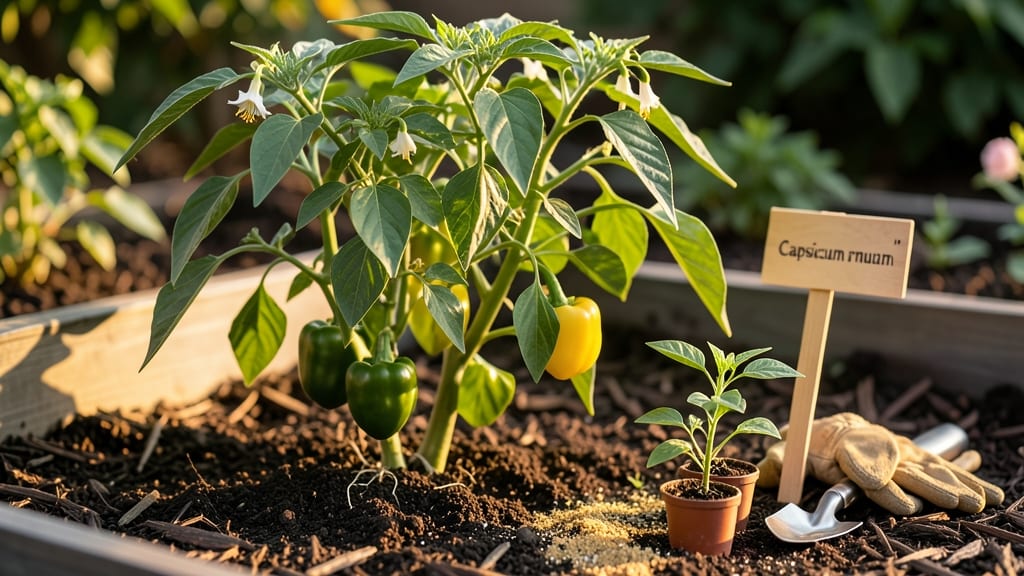
Planting bell peppers 🌶️ in Pennsylvania at the wrong time can turn your garden dreams into a sad, wilted mess—but getting the timing right means juicy, homegrown peppers all summer long.
Here’s the deal: these heat-loving plants need warm soil and no frost in sight, which in PA usually means waiting until mid-May or later. Starting seeds indoors 8-10 weeks before your last frost date gives you a head start, but rushing them outside too soon?
That’s a one-way ticket to stunted growth or worse.
I’ll break down exactly when to plant—whether you’re using transplants or sowing seeds—and which varieties thrive in PA’s 5b-7a zones. Plus, I’ll share pro tips to keep your peppers producing well into October, even when summer starts winding down.
Ready to turn your garden into a pepper powerhouse? Let’s get those plants in the ground at the perfect moment.
Best planting dates for bell peppers in Pennsylvania’s climate zones
Pennsylvania’s microclimates mean your bell pepper planting dates should align with your specific USDA zone (5b-7a) and last frost date. Most regions experience their final frost between April 15-30, but urban areas like Philadelphia may see frost linger until early May, while Pittsburgh often warms up faster.
Bell peppers are heat-loving annuals that need soil temperatures above 60°F to thrive. Planting too early in cool soil stunts root growth and invites disease. My rule of thumb?
Wait until May 1-15 for most of PA, but start seeds indoors 8-10 weeks before your last frost to get a head start.
For direct sowing (planting seeds outside), aim for late May to early June when nighttime temperatures consistently stay above 55°F. This timing works best for short-season varieties like 'Sweet Banana' or 'California Wonder,' which mature in 60-75 days.
| Region | Last Frost Date | Ideal Transplant Date | Direct Sow Date | Best Varieties |
|---|---|---|---|---|
| Southeastern PA (Philadelphia) | April 25-May 5 | May 15-31 | June 1-15 | 'Jupiter', 'Carolina Wonder' |
| Central PA (Harrisburg) | April 15-25 | May 1-15 | May 30-June 10 | 'Sweet Banana', 'King of the North' |
| Northwestern PA (Pittsburgh) | April 10-20 | April 25-May 10 | May 20-June 5 | 'Aristotle', 'Gypsy' |
| Northeastern PA (Scranton) | May 1-10 | May 20-June 5 | June 10-25 | 'Early California Wonder' |
If you’re starting seeds indoors, begin them 8-10 weeks before your last frost date. Use seed-starting trays with a heat mat (70-75°F) to speed germination, which typically takes 7-14 days. Harden off seedlings for 7-10 days before transplanting to avoid shock.
For longer harvests, consider planting a second batch of seeds 4-6 weeks after your first planting. This staggered approach ensures peppers ripen throughout the summer and into early fall, even if the first batch gets hit by late-season pests or unexpected cold snaps.
Pro tip: Use a soil thermometer to confirm soil temps are above 60°F before planting. Cold soil delays germination and weakens seedlings. In cooler zones like Northeast PA, opt for early-maturing varieties (60-day harvest time) to maximize your growing window.
Remember, Pennsylvania’s humid summers can stress bell peppers, so choose disease-resistant varieties like 'Aristotle' or 'King of the North' if you’re in a high-humidity area. These varieties handle PA’s unpredictable weather better than standard types.
Finally, give your peppers 6-8 hours of sunlight daily and well-draining soil with a pH of 6.0-6.8. Amend clay-heavy PA soils with compost or aged manure to improve drainage and fertility.
By following these region-specific guidelines, you’ll avoid the most common mistakes and enjoy a bountiful harvest of sweet, homegrown bell peppers—just in time for fresh salsas, stir-fries, and grilled veggie platters!
How to extend the growing season for bell peppers in PA’s short summers
Pennsylvania’s short growing season and unpredictable weather can challenge bell pepper lovers, but with the right strategies, you can extend harvests well into fall. The key is protecting plants from cool nights and early frosts while maximizing sunlight exposure.
I’ve found that combining season-extending tools with smart variety selection makes all the difference.
Start by choosing heat-tolerant varieties like 'Carolina Wonder' or 'Jupiter', which thrive in PA’s unpredictable summers. These varieties handle temperature fluctuations better than standard types, giving you more harvest time. Pair them with row covers or low tunnels to trap warmth and shield plants from chilly winds.
Here’s how I extend my bell pepper season by 4-6 weeks in my Pennsylvania garden:
- Use row covers (lightweight fabric) to raise soil temps by 5-8°F and protect from light frosts. Remove during pollination for better fruit set.
- Install cold frames or hoop houses over plants in late summer. These create microclimates that stay 10°F warmer than outside temps.
- Plant succession crops every 2-3 weeks from May through July. This ensures a continuous supply of peppers as early plants mature.
- Choose late-maturing varieties like 'Arpad F1' (90 days) or 'NuMex RNaky' (85 days). These handle PA’s cooler fall temps better than early varieties.
- Mulch heavily with straw or black plastic to insulate roots. This keeps soil temps stable and reduces water stress during temperature swings.
Don’t overlook companion planting as a natural way to protect your peppers. I plant basil nearby to repel pests like aphids and marigolds to deter nematodes.
These companions also improve flavor and yield. For extra protection, try interplanting with onions or garlic, which deter hornworms—one of my biggest pepper pests.
Timing is critical when using season extenders. Install row covers after the last frost but before flowers appear to avoid trapping too much heat during pollination. For cold frames, place them over plants in early September when nighttime temps start dropping below 50°F.
This balance prevents heat stress while safeguarding against frost.
With these techniques, I’ve harvested bell peppers in my Pennsylvania garden well into October, sometimes even later if we get a warm spell. The secret? Start early, protect strategically, and choose the right varieties. Your peppers will thank you with a longer, more abundant harvest! 🌱