
Plants
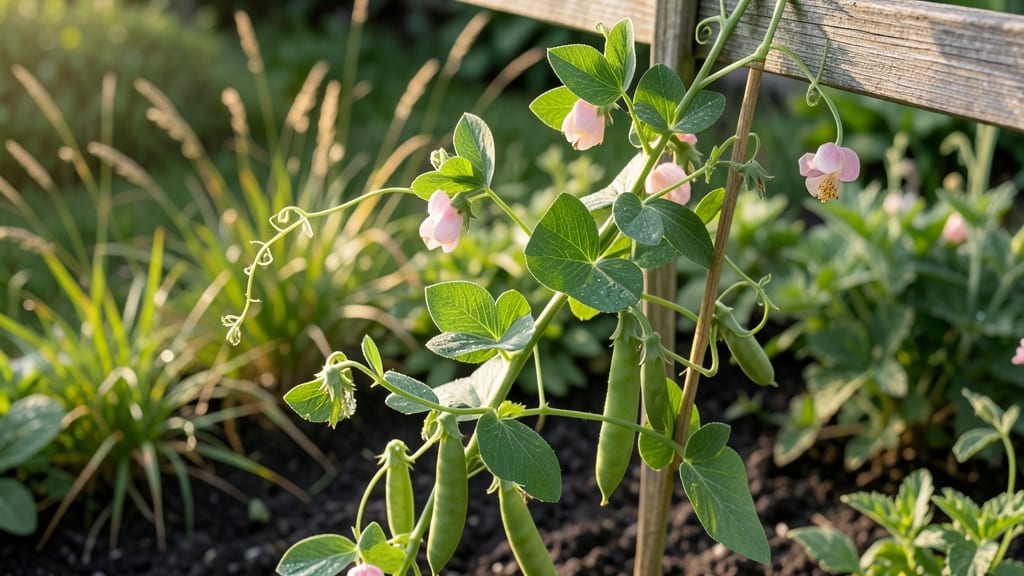
Planting black-eyed peas in Texas isn't just about throwing seeds into the dirt—it's about outsmarting the heat to get those sweet, plump pods before your plants bolt into oblivion.
The perfect window depends on your heat zone, whether you're in frost-prone North Texas or the balmier South, where the wrong timing can turn your garden into a sad, leafy disappointment.
I've learned the hard way that spring planting in February-March works for most of the state, but fall is your secret weapon—especially if you're in zones 9-10 where winters barely chill things out.
The key trick? Planting 6-8 weeks before your first frost ensures you'll harvest before summer's brutal heat kicks in.
What I'm about to share will help you avoid the most common mistakes Texas gardeners make—like planting too early in cold soil or ignoring the 60°F minimum for germination.
You'll discover exactly when to start seeds indoors (if you're impatient) and how to stretch your growing season with shade tricks that actually work in our relentless sun.
Whether you're growing Purple Hull for your potlucks or Crowder for fresh eating, timing is everything. Let's get your black-eyed peas 🌱 thriving instead of struggling—because nobody wants a garden full of flowers but no pods!
Texas heat zone planting calendar for black eyed peas (avoid bolting!)
Texas spans USDA hardiness zones 8a through 10b, meaning your last frost dates can vary wildly—from January in South Texas to March in the Panhandle.
Black-eyed peas thrive in warm soil (60°F+), so planting too early risks premature bolting, while waiting too late risks heat stress before pod production. The solution? Two planting windows: late winter/early spring and early fall.
For North Texas (zones 8a-8b), aim for February 15–March 15 (spring) and August 1–September 15 (fall).
In Central Texas (zones 8b-9a), shift to March 1–April 1 and July 15–August 30. South Texas (zones 9b-10b) gardeners can plant as early as January 15–February 15 (spring) or June 15–July 30 (fall), thanks to milder winters.
Use this heat zone guide to align planting with your local last frost date. Check the Texas A&M AgriLife Extension frost map for precision—your 100-day growing season for black-eyed peas starts when soil temps hit 60°F consistently.
Pro tip: Soil thermometers (under $10) are your best friend for accuracy.
🌱
Your local last frost date is the anchor for spring planting. For example, if your last frost is March 1 (like in Austin), plant seeds 4–6 weeks before (by February 1) to ensure pods mature before summer heat peaks.
In Houston (zone 9a), where frosts are rare, focus on fall planting—sow seeds 6–8 weeks before first frost (typically by August 15).
For container growing, black-eyed peas adapt well to pots (minimum 12-inch depth), but they need consistent warmth. In cooler zones like Lubbock (8a), start seeds indoors 4–6 weeks before last frost and transplant after soil warms to 60°F.
Use black plastic mulch to speed soil warming by 2–3 weeks—this is a game-changer for North Texas gardeners.
Fall planting offers a second harvest window in Texas. Seed pods mature in 50–75 days, so time your fall sowing to finish before first frost. For instance, if your first frost is November 15 (like in
Texas heat zone planting calendar for black eyed peas (avoid bolting!)
Timing is everything when growing black-eyed peas in Texas. Unlike cooler climates, Texas gardeners must work with two distinct planting windows—spring and fall—to avoid heat stress or premature bolting.
The key is aligning your planting with soil temperatures and local frost dates, which vary dramatically from North Texas to the Gulf Coast.
In North Texas (USDA Zones 8a-8b), like Dallas or Fort Worth, your last frost date typically falls around February 15. This means your ideal spring planting window opens in late February to early March, when soil temps hit 60°F+.
For fall plantings, aim for mid-August to early September, giving plants 6-8 weeks to mature before the first frost (December 15).
South Texas (Zones 9a-10a), including Houston or San Antonio, has a longer growing season. Here, you can plant as early as January (after frost risk passes) and again in late summer (August) for a fall harvest. The Gulf Coast’s mild winters even allow some gardeners to grow overwintering crops with row covers.
Texas Black Eyed Pea Planting Calendar
| Region | Spring Planting | Fall Planting | Key Consideration |
|---|---|---|---|
| North Texas (Dallas/Fort Worth) | Late Feb - Early Mar | Mid-Aug - Early Sep | Soil at 60°F+; avoid April heat |
| Central Texas (Austin) | Early Feb - Mid-Mar | Late July - Early Aug | Use shade cloth for June plantings |
| South Texas (Houston/San Antonio) | January - Early Feb | Mid-Aug - Late Sep | Extreme heat tolerance needed |
| West Texas (El Paso) | Mid-Mar - Early Apr | Late Aug - Early Sep | Water deeply; dry soil risks bolting |
🌱 Pro Tip: Use a soil thermometer to confirm temps—black-eyed peas won’t sprout below 60°F.
For container gardening, adjust timing by 2-3 weeks earlier—containers warm up faster. If you’re in Zone 9b+, consider year-round plantings with drip irrigation to manage heat stress. The critical window is 60-75 days to maturity, so plan accordingly for your chosen variety.
Missed the spring window? Don’t panic—fall plantings often yield sweeter pods in Texas’s cooler months. Just ensure your seeds go in 6-8 weeks before frost (use row covers to extend the season). In North Texas, this means early September plantings for a November harvest.
Remember: Texas heat is brutal on black-eyed peas after 90°F+ soil temps. If you plant in late spring, use shade cloth (30-50%) to protect young seedlings. The goal? Keep foliage lush and pods plump—not wilted and stringy.