
Planting
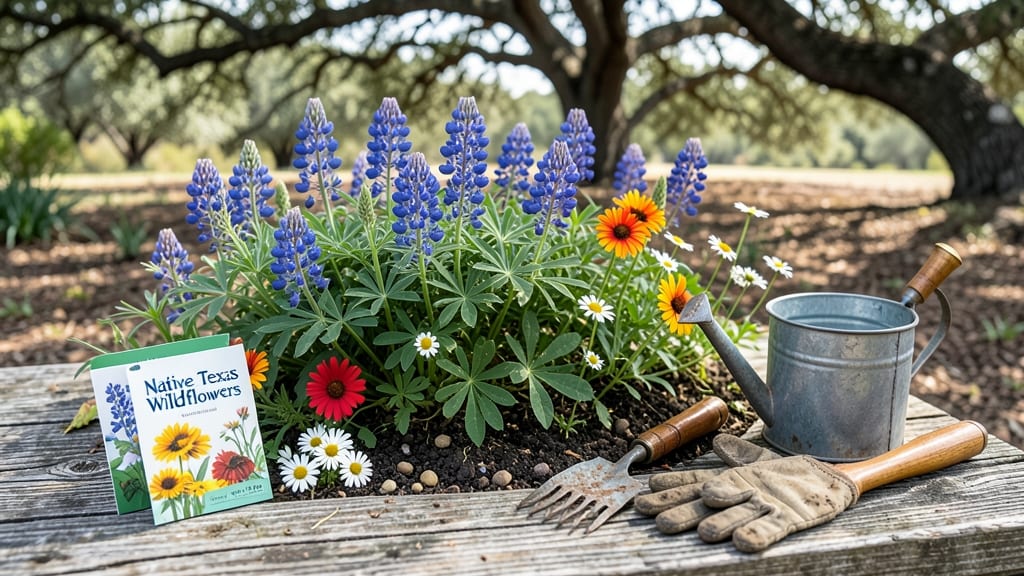
Planting your garden in Central Texas at the wrong time means battling 100°F soil or watching frost nip your tomatoes before they ripen. The key to success lies in timing—whether you're sowing cool-season greens or heat-loving veggies, getting it right makes all the difference.
With Heat-Zone 8B summers that can fry tender seedlings and unpredictable fall rains, most gardeners swear by fall planting—but is it really better than spring? I’ll break down the exact windows for both seasons, so you can choose what works for your 🌱 and local microclimate.
From broccoli to sweet potatoes, each crop has its ideal moment to hit the soil. We’ll cover soil temperature thresholds, frost dates, and even how Austin’s urban heat islands differ from the Hill Country. Skip the guesswork and plant with confidence.
Ready to maximize your harvest? Let’s dive into the month-by-month schedule that’ll keep your garden thriving year after year—no more wasted seeds or bolted lettuce.
Central Texas planting schedule by season: exact dates for spring and fall crops
Central Texas gardeners know timing is everything—one wrong move, and your cool-season greens bolt in the heat or your tomatoes freeze before ripening. The key? Planting when soil temperatures hit 60-70°F for cool crops or 75-85°F for heat lovers.
Below is your month-by-month schedule for Heat-Zone 8B, including transition points between Zones 8A/8B and soil prep tips to beat Texas extremes.
Spring planting in Central Texas starts 6-8 weeks before last frost (typically mid-February to early March), but heat-loving crops like okra and sweet potatoes wait until April-May when soil warms above 75°F.
Fall planting begins mid-August for broccoli and spinach, but tomatoes and peppers must go in by late July to mature before frost. Here’s your exact breakdown:
| Season | Planting Window | Soil Temp Threshold (°F) | Key Crops | Pro Tip |
|---|---|---|---|---|
| Spring | Feb 15 - Mar 15 | 60-70°F | Spinach, Lettuce, Peas, Onions | Use row covers if nights dip below 40°F. |
| Spring | Mar 20 - Apr 15 | 65-75°F | Broccoli, Cabbage, Carrots, Beets | Direct-sow carrots to avoid transplant shock. |
| Spring | Apr 20 - May 15 | 75-85°F | Tomatoes, Peppers, Okra, Sweet Potatoes | Mulch with straw to retain moisture. |
| Fall | Aug 1 - Aug 15 | 70-80°F | Tomatoes, Peppers, Eggplant | Use shade cloth if temps exceed 95°F. |
| Fall | Aug 20 - Sep 15 | 65-75°F | Broccoli, Kale, Lettuce, Radishes | Fertilize with low-nitrogen mix for leafy greens. |
| Fall | Sep 20 - Oct 15 | 60-70°F | Spinach, Peas, Garlic, Onions | Plant garlic in October for next year’s harvest. |
For Zone 8A gardeners (e.g., Hill Country), shift spring planting 2 weeks earlier (late January) and fall planting 2 weeks later (late September). Urban heat islands (like Austin) may need shade cloth for spring tomatoes until mid-April.
Always test soil temps with a soil thermometer—50°F or below? Wait for cool crops.
Herbs like basil and cilantro thrive in spring but bolt by June. Replace them with oregano or thyme, which handle Central Texas heat. For flowers, marigolds and zinnias love spring’s warmth, while pansies and
5 Critical factors that determine your planting success in Central Texas
Central Texas gardening isn’t just about dates—it’s about understanding your local microclimate. Austin’s urban heat islands can be 10°F hotter than the hill country, while elevation changes near San Marcos shift frost patterns.
These 5 critical factors will help you adjust your planting schedule for maximum success, whether you’re in a low-lying valley or a rocky hillside.
First, soil temperature is your secret weapon. Most Central Texas seeds need soil at 60-70°F to germinate. Use a soil thermometer—planting too early in cold soil (like February) can leave seeds rotting underground.
My rule? Wait until mid-March for warm-season crops (tomatoes, peppers) unless you’re using black plastic mulch to warm the soil faster.
Next, frost risk isn’t just about the calendar. The average last frost in Austin is February 15, but hill country areas like Bandera can see frost until March 1.
For heat-sensitive plants like broccoli or lettuce, I recommend covering seedlings with frost cloth until you’re past the average frost date for your specific ZIP code. Pro tip: Check the Texas A&M AgriLife frost prediction map for real-time updates.
- 🌡️ Soil Temp: Wait for 60-70°F soil (use a thermometer!).
- ❄️ Frost Risk: Hill country = later frost; urban areas = earlier heat waves.
- 💧 Water Access: Summer droughts hit fast—mulch to retain moisture.
- 🌬️ Humidity: High humidity in summer = fungal diseases; space plants for airflow.
- ☀️ Sun Exposure: South-facing beds get 2-3°F hotter than north-facing.
Don’t overlook water availability—this is where most Central Texas gardeners fail. By June, water restrictions can kick in, and your newly planted okra or sweet potatoes will wilt without deep, consistent watering.
I mulch with straw or wood chips to lock in moisture and reduce evaporation. For containers, I switch to drip irrigation to avoid fungal issues from overhead watering.
Humidity spikes in summer create a fungal paradise for your plants. If you’re planting in June or July, prioritize disease-resistant varieties like ‘Celebrity’ tomatoes or ‘Heatmaster’ peppers. Space plants 12-18 inches apart for airflow, and water early in the morning to let foliage dry before nightfall.
My biggest mistake? Crowding basil—it led to powdery mildew every summer until I thinned it out.
Finally, sun exposure varies wildly in Central Texas. A south-facing bed can hit 110°F in summer, while a north-facing spot stays 10°F cooler. If you’re growing heat-sensitive greens like Swiss chard, plant them in partial shade or use shade cloth during peak afternoon sun.
For tomatoes and peppers, embrace the heat—they thrive in full sun once established.
Use these factors to fine-tune your planting schedule. For example, if you’re in elevated hill country, delay spring planting by 2-3 weeks compared to Austin’s urban core. And always keep a gardening journal to track what works in your specific microclimate—next year’s harvest depends on it! 🌱