
Trees
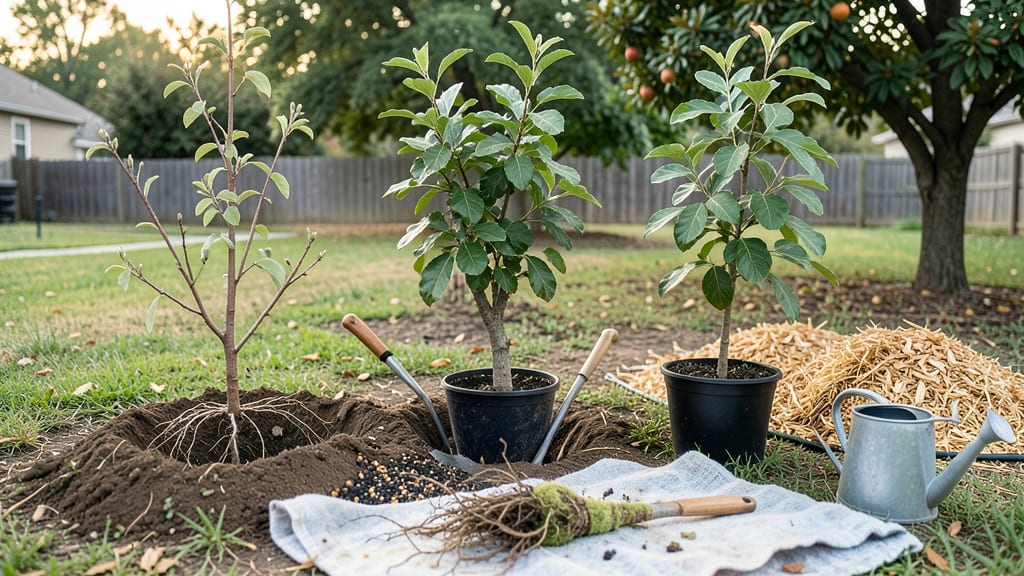
Timing your fruit tree planting in Central Texas can make the difference between a thriving 🍎 orchard and a sad investment that never takes root. Planting too early risks frost damage, while waiting too long exposes young trees to scorching summer heat—both scenarios stress even the hardiest varieties.
Most gardeners in zones 8a-9a swear by late winter to early spring as the sweet spot, but there’s more to it than just picking a month.
The key is understanding how soil temperatures, rainfall patterns, and even your local microclimate (like Austin’s urban heat islands vs. rural Waco) affect root establishment before the growing season kicks in.
In this guide, I’ll break down the best months for planting—whether you’re working with bare-root saplings or container-grown trees—and how to prep your soil for maximum success. You’ll also discover variety-specific tips, from citrus that loves the mild winters to peaches that need a head start on warmth.
Ready to plant with confidence? Let’s dive into the exact timing, tools, and care routines that’ll give your fruit trees the strongest possible start before summer’s brutal heat arrives.
Best months to plant fruit trees in Central Texas for optimal root establishment
Central Texas’s USDA Zones 8a-9a offer a narrow window for planting fruit trees—just 6 months out of the year. The ideal planting window spans from November through February, when soil temperatures stay cool (below 70°F) and summer’s scorching heat hasn’t yet arrived.
This timing lets roots establish before the spring growing surge, preventing transplant shock when temperatures spike.
Fall planting (November–December) is my top recommendation for bare-root trees. Cooler air and moist soil create perfect conditions for root growth before winter dormancy sets in. Container-grown trees, however, can also go in January–February, as long as you avoid late February’s unpredictable freeze risks.
The key is to plant 4–6 weeks before the last frost (typically March 15 in Central Texas) to give roots time to anchor before warm weather kicks in.
🌱 Central Texas Fruit Tree Planting Guide
| Season | Best Months | Soil Temp | Root Growth | Risk Level |
|---|---|---|---|---|
| Fall | November–December | 50–65°F | Excellent | Low |
| Winter | January–February | 45–60°F | Good | Moderate (freeze risk) |
| Spring | March (early) | 60–70°F | Poor (heat stress) | High |
| Summer | June–August | 85°F+ | None (avoid) | Critical |
Risk Level: Low = Safe, Moderate = Monitor weather, High = Avoid unless necessary, Critical = Never plant
Central Texas’s microclimates (Austin, San Antonio, Waco) can shift planting windows by 2–4 weeks. For example, San Antonio’s slightly warmer winters may allow February planting, while Waco’s colder spells might push ideal timing to November–early December.
Check your local first frost date—most areas see it around November 15—and plant 6 weeks before to ensure roots establish before dormancy.
Soil preparation is just as critical as timing. Test your soil’s pH (6.0–7.0) and amend with compost or aged manure to improve drainage. Central Texas soils often compact easily, so mix in organic matter to encourage root penetration.
For clay-heavy soils (common in Austin), consider raised beds or mounding soil around the root ball to prevent waterlogging.
If you’re planting bare-root trees, soak the roots in water for 1–2 hours before planting to revive them. For container-grown trees, gently remove excess soil from the root ball to encourage outward root growth.
Both types benefit from a 4-inch layer of mulch (wood chips or straw) to retain moisture and regulate soil temperature. Just keep mulch 6 inches away from the trunk to prevent rot.
Watering is non-negotiable after planting. Give your tree 15–20 gallons of water immediately, then deep-water weekly for the first month. Avoid overhead sprinklers—they can spread disease. Instead, use a soaker hose or drip irrigation to deliver water directly to the root zone.
By March, your tree’s roots should be well-established enough to handle Central Texas’s spring heatwave.
One mistake I see often is planting too late in spring (March+). By April, soil temperatures often exceed 75°F, stressing young roots.
If you miss the fall/winter window, your only option is late fall (November), but prioritize shade cloth to protect the tree from afternoon sun until roots catch up. For citrus trees, which prefer warmer climates, even spring planting (February–March) can work—but choose dwarf varieties to reduce heat stress.
Finally, don’t overlook tree variety when planning. Some fruits (like peaches and plums) thrive when planted in fall or early winter, while others (like figs and pome
How to choose the right fruit tree varieties for Central Texas’ planting timeline
Central Texas’ 8a-9a climate demands fruit trees that can handle both mild winters and scorching summers. The best varieties for your planting timeline depend on whether you’re setting them in fall dormancy (November–January) or early spring growth (February–March).
For example, peaches and plums planted in late winter break dormancy early, while apples and pears benefit from a cooler fall start.
Heat-tolerant varieties like figs, pomegranates, and persimmons thrive when planted in fall or early winter, as their roots establish before summer’s peak. Meanwhile, citrus trees (like Meyer lemons) prefer container planting in late winter to avoid frost damage.
Your choice hinges on balancing dormancy needs with heat resilience—and I’ll walk you through the best matches.
🌱
🍑 Fall Planting (Nov–Jan)
- Cooler soil temps reduce transplant shock
- Roots establish before summer heat
- Ideal for apples, pears, persimmons
- Limited selection at nurseries
- Risk of late frost damage
- Slower spring growth
🌿 Spring Planting (Feb–Mar)
- Wider variety availability
- Faster root growth in warm soil
- Best for peaches, plums, citrus
- Higher water needs as temps rise
- Transplant shock risk if planted too late
- Limited time for root establishment
For dwarf varieties (like columnar apples or miniature citrus), spring planting in February–March works best—they establish quickly and bear fruit sooner.
But if you’re planting standard-size trees, fall gives roots a head start. Pecan trees, for instance, planted in November, can handle Central Texas’ heat better than those planted in spring.
🌡️ Pro tip: Check your local frost dates—Austin’s last frost is around March 15, while Waco’s can be a week earlier. Adjust your timeline accordingly, especially for tender varieties like loquats or kumquats.
Post-planting care differs too: Fall-planted trees need mulch and winter watering to protect roots, while spring-planted trees require shade cloth during the hottest afternoons. Your variety choice isn’t just about timing—it’s about setting your tree up for long-term success in Central Texas’ extremes.