
Plants
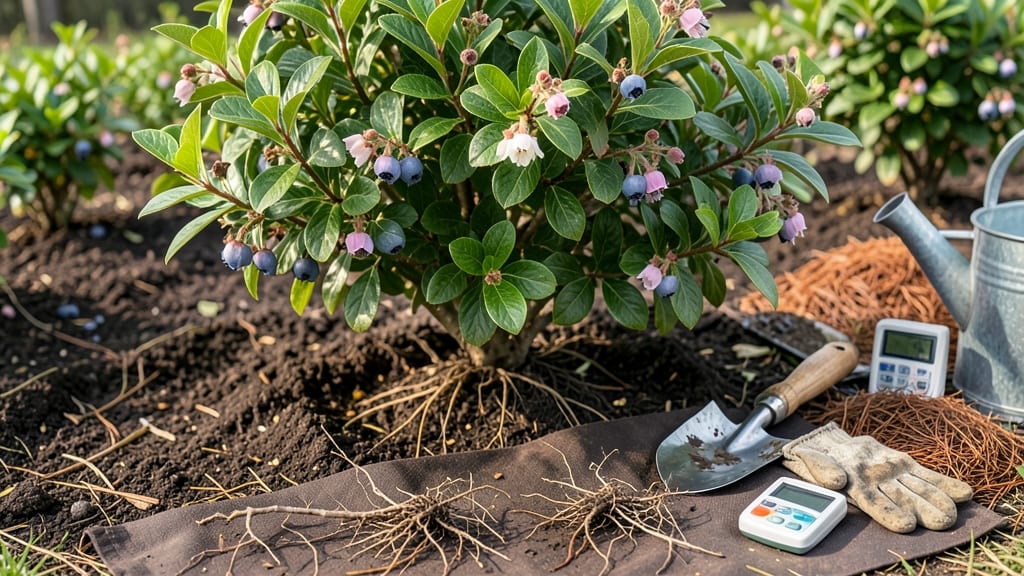
Planting blueberries in Zone 8 at the wrong time could mean waiting years for those sweet 🫐 harvests—or never getting them at all. The key isn't just picking a random month; it's about understanding when your local frost dates align with your blueberry's chill-hour needs and soil readiness.
Most gardeners in Zone 8 get it wrong by planting too early, risking frost damage to tender new growth. But timing it right—between late winter and early spring—gives your bushes the perfect head start.
I’ll show you exactly when to plant based on your last frost date and how to prep your soil for maximum success.
You’ll also discover how to choose the right blueberry varieties for your climate, which ones thrive with minimal chill hours, and how to protect your plants from late frosts.
Whether you're a first-time grower or a seasoned gardener, these strategies will help you avoid common mistakes and set up your bushes for a bountiful harvest.
Let’s dive into the exact planting window, soil prep steps, and care tips that will transform your Zone 8 garden into a blueberry powerhouse. Your future 🫐 harvest starts with the right timing—and I’ve got you covered.
Best blueberry varieties for Zone 8: chill-hour requirements explained
Zone 8 gardeners face a unique challenge when growing blueberries: many varieties need chill hours (0°F to 45°F) to fruit properly, but Zone 8 winters often provide 300-900 hours.
The good news? Some low-chill varieties thrive here, producing sweet berries without extra tricks. Let’s explore the best options for your climate.
First, understand that southern highbush varieties (like ‘Peach Sorbet’) are bred for warm climates and typically need 300-400 chill hours. Rabbiteye varieties (e.g., ‘Climax’) can handle up to 900 chill hours, making them versatile for Zone 8’s cooler pockets. Half-high hybrids (like ‘Top Hat’) offer a middle ground with 400-600 chill hours.
For early harvests, prioritize varieties like ‘O’Neal’ (500 chill hours) or ‘Misty’ (300 chill hours), which ripen in June-July. If you want late-season berries, try ‘Duke’ (700 chill hours) or ‘Tifblue’ (500 chill hours), harvesting in July-August.
Always check your local last frost date (typically March 15 in Zone 8) to align blooming with frost risk.
🌱
| Variety | Chill Hours | Mature Height | Harvest Time | Best For |
|---|---|---|---|---|
| ‘Peach Sorbet’ | 300-400 | 3-5 ft | June-July | Sweet, early fruit |
| ‘O’Neal’ | 500 | 5-6 ft | June-July | Large berries, disease-resistant |
| ‘Climax’ (Rabbiteye) | 700-900 | 6-12 ft | July-August | Heat-tolerant, high yield |
| ‘Duke’ | 700 | 6-8 ft | July-August | Late-season, firm berries |
| ‘Misty’ | 300 | 3-4 ft | June-July | Dwarf, low-chill |
When selecting varieties, consider your garden space and pollination needs. Rabbiteye varieties like ‘Climax’ are self-pollinating but need space (they grow tall!). Southern highbush types like ‘Peach Sorbet’ are compact (3-5 ft) and perfect for small yards.
For container growing, dwarf varieties like ‘Misty’ (3-4 ft) shine in 5-gallon pots with acidic soil.
Pro tip: Plant at least two varieties for cross-pollination, even if they’re self-fertile. For example, pair ‘O’Neal’ (500 chill hours) with ‘Duke’ (700 chill hours) to extend your harvest window. This also reduces the risk of flower freeze damaging all your bushes in one year.
Before buying, test your chill hours using a home weather station or local agricultural extension records. Many Zone 8 areas (like San Diego or Atlanta) have 200-500 chill hours, so stick to varieties like ‘Peach Sorbet’ or ‘Misty’ to avoid disappointment.
If you’re in a cooler microclimate (e.g., mountainside), you can push into 600-700 chill-hour varieties like ‘Duke’.
🪴
Finally, prepare your soil pH before planting—blueberries crave acidic soil (pH 4.5-5.5). Test your soil 4-6 weeks before planting and amend with peat moss or sulfur if needed. Pair your new bushes with companion plants like comfrey or feverfew to boost soil acidity naturally over time.
With the right variety, your Zone 8 blueberry bushes will reward you with juicy, homegrown berries for years—no chill-hour hacks required! Just plant at the right time (we’ll cover that in the next section), and you’re golden.
Optimal planting timeline for Zone 8: frost dates & seasonal tips
Timing is everything when planting blueberries in Zone 8. The ideal window is between late winter and early spring—specifically, February through April—when soil temperatures rise above 40°F (4°C) but before the last frost date (usually around March 15).
Planting too early risks frost damage to tender roots, while waiting too long delays establishment before summer heat arrives.
For most of Zone 8, March is the sweet spot. By then, soil thaws enough for roots to establish, but cool nights reduce water stress. If you live in a cooler microclimate (e.g., mountainside), aim for late February.
In warmer pockets (like San Diego), hold off until early April to avoid heat stress during transplant shock.
🌱
- 📅 February (Cooler Areas): Plant dwarf varieties like ‘Misty’ (300 chill hours) once soil reaches 45°F (7°C). Use row covers for frost protection.
- 🌡️ March (Ideal Window): Best for standard varieties (e.g., ‘O’Neal’). Soil should be 50-60°F (10-15°C). Water deeply after planting to settle roots.
- 🌤️ April (Warmer Areas): Suitable for heat-tolerant rabbiteye types (e.g., ‘Climax’). Mulch heavily to retain moisture as temps rise.
- ❄️ Late Fall (Alternative): Plant 6-8 weeks before first frost (typically October in Zone 8). Young roots establish before dormancy, but water consistently to prevent drought stress.
- 🔥 Avoid Summer Planting: Never plant in June-August—intense heat causes transplant shock and poor root growth.
Protecting your blueberries from late spring frosts (common in Zone 8 through April) is critical. Use frost cloth or row covers for the first 2-3 weeks after planting, especially for flowering varieties.
If a frost warning hits during bloom, drape lightweight fabric over bushes and secure with clips or bricks. For rabiteye varieties (like ‘Duke’), prune back 1/3 of new growth in early spring to harden stems before blooming.
Soil temperature matters just as much as air temperature. Use a soil thermometer to confirm readiness—50°F (10°C) is the minimum for root growth. If soil is colder, wait 1-2 weeks or plant in a raised bed (which warms faster).
Amend planting holes with compost and peat moss to improve drainage and acidity, then water deeply once a week for the first month to encourage root spread.
💧
Post-planting care in Zone 8 focuses on water management and shade protection. Newly planted bushes need 1-2 inches of water weekly (more in sandy soil). Mulch with pine straw or wood chips to retain moisture and suppress weeds.
In summer heat, provide afternoon shade (using shade cloth) for the first year to reduce leaf scorch. Avoid fertilizing until 6 weeks after planting—focus on root establishment first.
By following this timeline, your Zone 8 blueberries will establish strong roots, avoid frost damage, and enter their first fruiting season with confidence. Next, we’ll tackle how to extend chill hours for varieties that need more winter cold than your climate typically provides.