
Plants
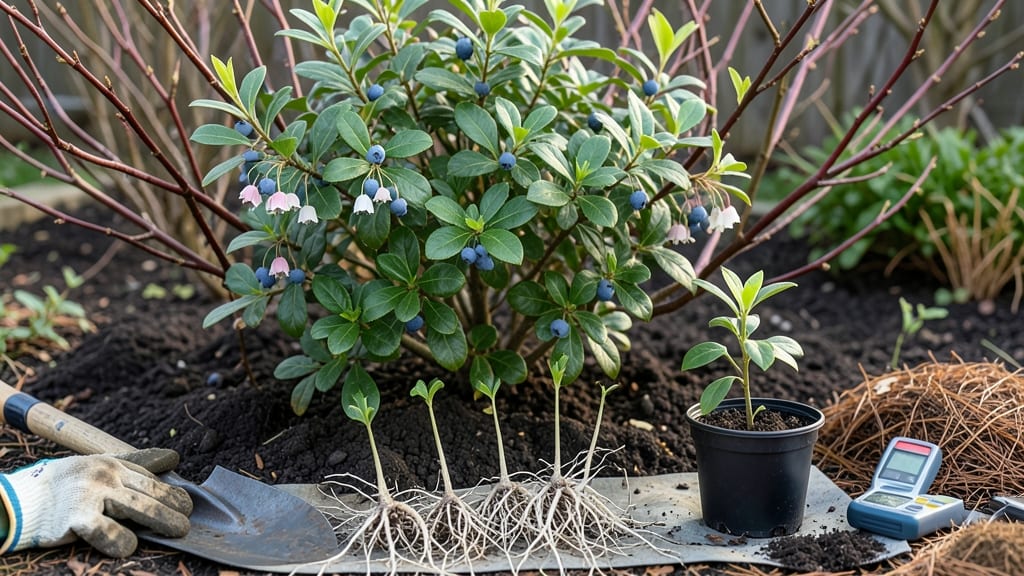
Timing your blueberry 🫐 planting in Zone 5 isn't just about waiting for spring—it's about catching that sweet spot between last frost and summer heat. Plant too early, and your bushes could get fried by a late freeze; too late, and they won't establish strong roots before winter hits.
The right window makes all the difference between a thriving shrub and one that struggles to survive.
Most gardeners in Zone 5a-5b swear by late April to early June as the ideal window, but there's actually a strong case for fall planting too. Both approaches work, but each comes with its own set of challenges and advantages that depend on your local microclimate.
I'll break down exactly which timing suits your specific conditions and how to prepare your soil for maximum success.
What you might not realize is that blueberries are surprisingly delicate about their planting environment. The soil needs to be warm enough to encourage root growth but not so hot that it stresses the plant.
I'll show you how to read your soil's temperature cues and adjust your planting schedule accordingly—because getting this right could mean the difference between a bush that produces for decades and one that gives up after just a few years.
Ready to plant? Let's dive into the exact steps you need to take—whether you're going with spring or fall planting—to give your blueberries the best possible start. You'll walk away with a clear timeline, soil prep checklist, and early-care tips tailored specifically for Zone 5's unpredictable climate.
Best planting times for blueberries in Zone 5: spring vs fall breakdown
Blueberries thrive in Zone 5 but need precise timing to survive harsh winters and late frosts. The ideal window is either late spring (after last frost) or early fall (before first frost).
Both seasons offer advantages, but Zone 5’s climate demands careful planning to avoid transplant shock or winter damage.
Spring planting gives young roots 6-8 weeks to establish before summer heat, while fall planting lets roots grow in cool soil before dormancy. Zone 5’s short growing season means missing these windows can stunt growth or kill tender shoots. Let’s break down the best approach for your region.
📅 Key Deadlines for Zone 5:
Spring: Plant 2-3 weeks after last frost (typically mid-April to early June).
Fall: Plant 6-8 weeks before first frost (typically late August to mid-September).
📊 Spring vs Fall Planting Comparison for Zone 5 Blueberries
| Factor | Spring Planting | Fall Planting |
|---|---|---|
| Best Time | Late April–Early June | Late August–Mid-September |
| Soil Temp | 50–60°F (warm) | 50–60°F (cooling) |
| Root Growth | Fast (summer heat) | Moderate (fall chill) |
| Frost Risk | Low (post-frost) | High (early frost) |
| Water Needs | High (drought risk) | Moderate (rainfall increases) |
| Best For | Fast establishment | Northern Zone 5 (shorter summers) |
💡 Pro Tip: Use mulch (3–4 inches) in fall to insulate roots and retain moisture during winter.
Spring planting in Zone 5 works best if you can wait until soil warms to 50°F+.
This reduces transplant shock and gives roots time to anchor before summer’s heat. Northern Zone 5 (5a) areas should aim for late May to avoid late frosts, while southern Zone 5 (5b) can plant as early as mid-April.
Fall planting is riskier in Zone 5 due to early frosts, but it’s ideal for northern exposures where summers are short.
Plant 6 weeks before first frost to allow roots to establish before dormancy. Southern Zone 5 gardeners can push fall planting to mid-September, while northern areas should finish by early September.
For container-grown blueberries, spring planting is safer in Zone 5 because containers warm faster and risk root freeze in winter. If planting in fall, use insulated pots or move containers to a protected location before frost. Bare-root plants can handle fall better but need immediate watering to prevent desiccation.
Always check your local frost dates—tools like the USDA Plant Hardiness Zone Map or Almanac’s Frost Calculator help pinpoint exact deadlines. Zone 5’s variability means a 3-week buffer on either side of ideal dates is wise.
For example, if your last frost is May 15, plant by June 5 to ensure roots have time to grow.
Choose northern-adapted varieties like ‘Bluecrop’ or ‘Patriot’ for Zone 5—they handle cold better than southern types. Dwarf varieties (like ‘Top Hat’) are also great for container gardening in colder microclimates. Planting the right variety at the right time maximizes your first-year survival rate and fruit production.
After planting, deep water weekly (1–2 inches) to encourage root growth. In Zone 5’s dry summers, mulch with pine needles or wood chips to retain moisture and acidify soil naturally. First-year yields are minimal, but proper timing sets up a decades-long harvest. 🌱
Best planting times for blueberries in Zone 5: spring vs fall breakdown
In Zone 5, the ideal planting window for blueberries hinges on two critical factors: soil temperature and frost risk. Spring planting (late April to early June) aligns with soil warming to 50°F+, while fall planting (mid-September to early October) lets roots establish before winter dormancy.
Both methods work, but each requires precise timing to avoid frost damage or heat stress.
Spring planting is the most popular choice because it gives bushes 6-8 weeks of growing season before summer heat. However, fall planting—when soil cools to 60°F—can reduce transplant shock by letting roots settle before winter.
The key difference? Spring plants need immediate watering to combat drought, while fall plants rely on mulch protection for insulation.
Here’s how to decide which timing suits your Zone 5 microclimate:
| Factor | Spring Planting | Fall Planting |
|---|---|---|
| Best Time | Late April–Early June (after last frost) | Mid-September–Early October (6 weeks before frost) |
| Soil Temp | 50°F+ (warm enough for root growth) | 60°F (cools for dormancy prep) |
| Frost Risk | High (avoid late frosts) | Low (roots harden before winter) |
| Water Needs | Daily for 2 weeks (critical for root establishment) | Weekly (reduce as soil cools) |
| Mulch Needs | Light (preserve moisture) | Heavy (3–4 inches for winter insulation) |
For Zone 5a (colder microclimates), spring planting is safer due to longer frost windows. In Zone 5b, fall planting can work if you mulch deeply and protect young bushes with burlap wraps during early winter.
My rule of thumb? If your last frost date is after May 15, lean toward spring; if it’s before October 15, fall planting is ideal.
One mistake I see often is planting too early in spring, when soil is still cold. Use a soil thermometer to confirm temps—roots won’t grow below 50°F. For fall, aim to plant 6 weeks before your first frost to allow roots to establish before dormancy.
Pro tip: Container-grown blueberries adapt faster than bare-root, so if you’re unsure about timing, opt for potted plants for flexibility.
Both spring and fall planting can yield healthy blueberry bushes, but success hinges on soil prep and microclimate awareness. Next, we’ll cover the Zone 5-specific prep steps to ensure your blueberries thrive regardless of planting season. 🌱