
Plants
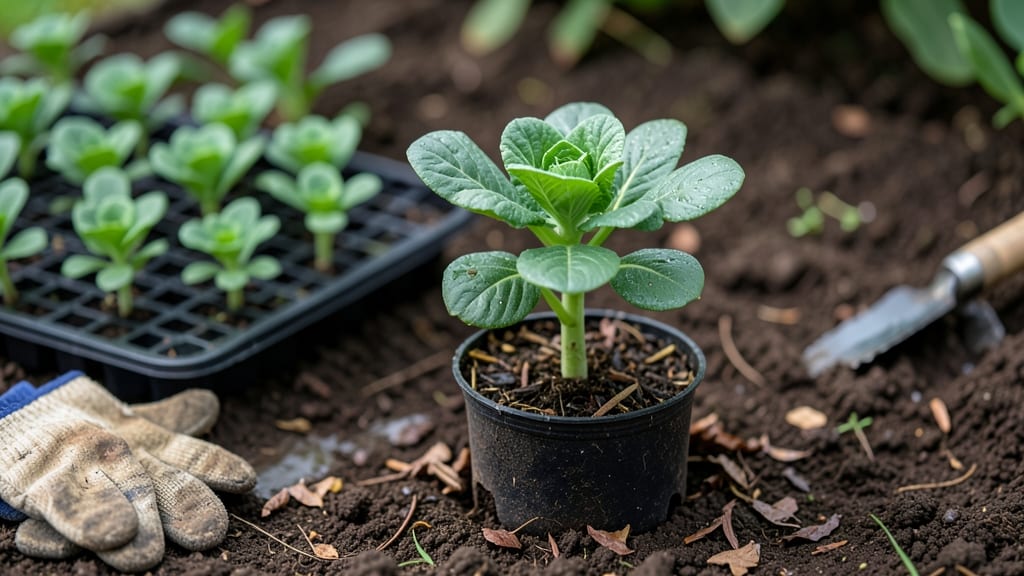
Planting cabbage at the wrong time in Zone 8a can turn your crisp, sweet 🥬 into bitter disappointment—or worse, bolting before harvest. The key to success lies in understanding your region's unique climate quirks, from coastal breezes to inland heat spikes.
Most gardeners in Zone 8a swear by two planting windows: early spring (February-March) and late summer (August-September). But here's the catch—your exact timing depends on whether you're growing cool-season varieties or heat-tolerant types. Let me break down the perfect schedule to avoid common mistakes that ruin harvests.
Spring plantings should happen 6-8 weeks before your last frost date (March 15 in 8a), while fall crops need 10-12 weeks before first frost (November 15). Coastal areas may extend seasons slightly, but inland growers need to be extra vigilant about heat stress.
Ready to grow cabbage that's sweet, crisp, and bolting-free? I'll walk you through exact dates, climate adjustments, and pro tips to maximize your harvest—whether you're a seasoned gardener or just starting your 🥬 journey.
Ideal planting windows for cabbage in Zone 8a (fall vs spring)
In Zone 8a, where winters are mild and summers can be hot, cabbage (Brassica oleracea) thrives best when planted during cooler months. The key is avoiding heat stress, which causes bolting (premature flowering) and bitter leaves.
For most of Zone 8a, this means focusing on early spring and late summer plantings.
Timing is critical because cabbage prefers temperatures between 60°F and 75°F. Planting outside this range can lead to poor growth or even failure. Let’s break down the best windows for spring and fall crops, including how to adjust for your specific microclimate.
📅 Spring Planting: Aim to plant cabbage 6-8 weeks before your last frost date. In Zone 8a, this typically falls between mid-February and early March. For example, if your last frost is around March 15, start planting in late January to ensure heads form before summer heat arrives.
Spring cabbage varieties like 'Golden Acre' or 'Early Jersey Wakefield' mature quickly, making them ideal for this window. These varieties can handle slightly warmer temperatures than other types, but they still need protection from late-season heat.
🍂 Fall Planting: For a fall harvest, plant 10-12 weeks before your first frost, usually between mid-August and early September in Zone 8a. This gives cabbage enough time to mature before temperatures drop. Varieties like 'Red Express' or 'Savoy King' are excellent choices for fall, as they tolerate cooler weather well.
Fall plantings benefit from longer daylight hours in late summer, which helps heads form more quickly. However, avoid planting too late—if temperatures stay above 80°F for extended periods, even fall crops can bolt.
📅 Cabbage Planting Comparison in Zone 8a
| Season | Planting Window | Ideal Varieties | Temperature Range | Harvest Window |
|---|---|---|---|---|
| Spring | Late January–Early March | Golden Acre, Early Jersey Wakefield | 60°F–75°F | May–July |
| Fall | Mid-August–Early September | Red Express, Savoy King | 65°F–70°F | October–November |
*Adjust planting dates 1-2 weeks earlier for inland areas or later for coastal regions with milder winters.
If you’re in a coastal part of Zone 8a, like Southern California, you might push spring plantings slightly later (e.g., March) because coastal areas have cooler summers. Conversely, inland regions with hotter summers should plant even earlier to avoid heat stress.
For succession planting, sow additional seeds every 2-3 weeks during your chosen window. This ensures a steady supply of fresh cabbage and reduces the risk of losing an entire crop to pests or weather.
For example, if you plant your first batch in late January, follow up with seeds in mid-February and early March.
Always check your local frost dates—they can vary even within Zone 8a. Use resources like the National Weather Service or Almanac to fine-tune your schedule. With the right timing, you’ll enjoy crisp, sweet cabbage heads all season long!
Pro tip: Start seeds indoors 4-6 weeks before transplanting to give seedlings a head start. This is especially helpful if you’re planting in late winter or early fall, when soil temperatures can still be cool.
Ideal planting windows for cabbage in Zone 8a (fall vs spring)
In Zone 8a, cabbage thrives best when planted during two distinct windows: early spring (February-March) and late summer (August-September). These timings align with your region's frost-free periods (March 15 to November 15) and prevent the plant from bolting prematurely due to heat stress.
For spring plantings, aim to sow seeds or transplant seedlings 6-8 weeks before your last frost date (around February 15-March 1). This gives your cabbage enough time to mature before summer heat arrives.
In contrast, fall plantings should occur 10-12 weeks before your first frost (around August 15-September 15) to ensure a harvest before winter sets in.
Here’s how these windows break down for your Zone 8a garden:
| Season | Planting Window | Key Considerations | Harvest Time |
|---|---|---|---|
| Spring | February 15 - March 1 | Cool soil temps (50-60°F), avoid bolting from heat | May - July |
| Fall | August 15 - September 15 | Warm soil temps (60-70°F), protect from late heatwaves | October - November |
If you're growing heat-tolerant varieties like 'Crimson Queen' or 'Golden Acre', you can extend your spring window slightly into early April. However, standard varieties will bolt quickly if planted after March 15, so stick to the earlier window for best results.
For fall plantings, prioritize varieties with shorter maturity times (around 60-70 days) to ensure they mature before frost. If your fall is unusually warm, consider using shade cloth to protect plants from excessive heat during the day.
Pro tip: Use row covers or mulch to extend your planting windows by 1-2 weeks in both spring and fall. This helps regulate soil temperature and protects young seedlings from temperature swings.