
Companion Plants
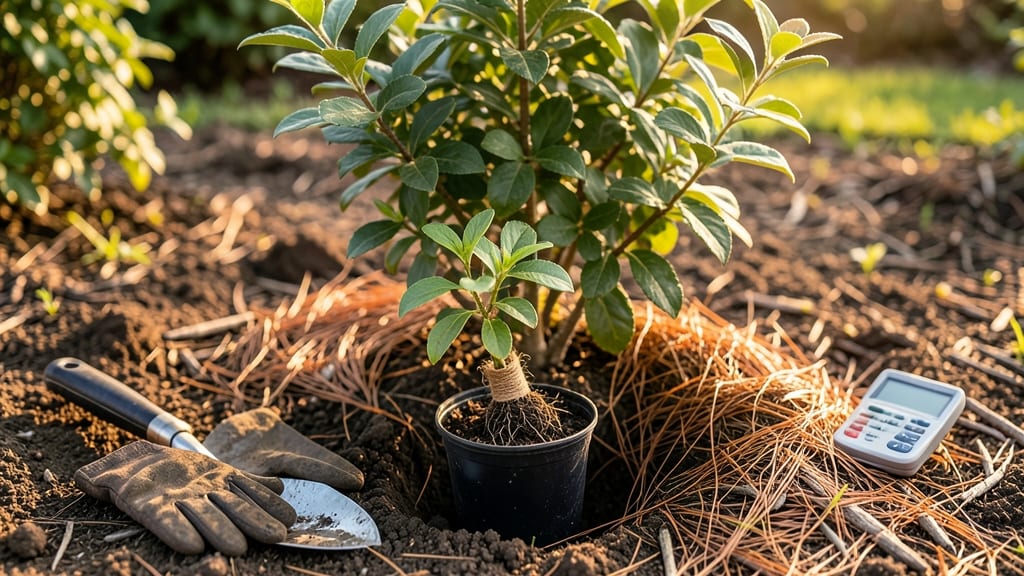
Timing your blueberry bush planting in Pennsylvania can make or break your harvest—get it wrong, and you might wait years for those sweet 🫐 berries to appear.
The ideal window isn’t just about the calendar; it’s about matching your variety to the state’s chill-hour zones, which range from 5,000 to 9,000 hours depending on where you live.
Most gardeners in PA’s USDA zones 5-7 swear by late April to early June, once the last frost has passed, but fall planting in September or October also works—especially for northern regions where winters are harsher.
The key is preparing your soil months ahead, testing its acidity (aim for 4.5-5.5 pH), and choosing the right variety for your microclimate.
Why does this matter? Because blueberries thrive when planted at the right time, and skipping these steps can lead to stunted growth or even plant death.
I’ll break down the exact months for your zone, the best varieties for your area, and how to avoid common mistakes that derail even the most eager gardeners.
Ready to turn your backyard into a blueberry powerhouse? Let’s dive into the chill-hour chart and variety guide that’ll set you up for a bountiful harvest—no guesswork required.
Best planting months in PA by chill-hour zone (northern vs southern regions)
Pennsylvania’s diverse climate means blueberry bushes thrive at different times depending on your chill-hour zone. Northern regions like Erie need 5000–6000 chill hours, while southern areas like Pittsburgh can handle 7000–9000 hours. Timing your planting to these zones ensures strong root establishment before winter.
Spring planting is ideal after the last frost date, typically mid-April in southern PA and late May in northern areas. Fall planting offers a second chance, but avoid planting too late—6 weeks before first frost is the cutoff. This balance lets roots establish before dormancy.
| Chill-Hour Zone | Recommended Varieties | Best Planting Window (Spring/Fall) | Soil pH Target | Key Considerations |
|---|---|---|---|---|
| 5000–6000 hours (Northern PA) | Bluecrop, Jersey, Patriot | April–May OR September–October | 4.5–5.5 | Mulch heavily for winter protection |
| 6000–7000 hours (Central PA) | Duke, Legacy, Spartan | Late April–mid-May OR October | 4.5–5.5 | Avoid waterlogged soil in fall |
| 7000–9000 hours (Southern PA) | Chandler, Tifblue, Premier | March–April OR September | 4.0–5.0 | Prioritize well-draining soil |
For northern PA, varieties like Bluecrop and Jersey handle colder winters better, while southern PA can grow Chandler or Tifblue, which ripen earlier. Always check your USDA hardiness zone—PA spans zones 5–7—to pick the right variety.
Soil preparation is critical. Test your soil pH 2–3 months before planting—blueberries need acidic soil (4.5–5.5). Amend with peat moss or sulfur if needed. In northern PA, add 3–4 inches of mulch (pine needles work best) to protect roots from freezing.
Transplanting bare-root bushes is easiest in early spring when soil is workable but not soggy. For container-grown plants, you can plant anytime during the recommended windows, but avoid extreme heat or cold. Water deeply after planting to settle soil around roots.
Fall planting gives bushes time to establish roots before winter, but avoid planting if frost is expected within 6 weeks. In southern PA, September planting works well, while central PA should wait until October. Always water thoroughly after planting to reduce transplant shock.
Container growing extends your planting window—you can plant blueberries in pots anytime during the growing season, but move containers indoors if temperatures drop below 20°F. Use a well-draining mix with acidic fertilizer and ensure pots are at least 18 inches deep.
Pro tip: Mark your planting dates on a garden calendar to track growth progress. In northern PA, expect 3–4 years for full production, while southern varieties may fruit sooner. Patience pays off with juicy, homegrown blueberries!
🌱
Top 5 blueberry varieties for Pennsylvania gardens (yield vs hardiness)
Choosing the right blueberry variety for your Pennsylvania garden depends on your chill-hour zone and desired harvest timing. Not all varieties thrive equally—some handle PA’s winters better, while others produce earlier or later in the season.
Let’s break down the top 5 varieties that perform best in PA’s USDA zones 5–7, ranked by yield, hardiness, and harvest window.
For northern PA (5000–6000 chill hours), Bluecrop and Jersey are the gold standards, delivering reliable yields even in cold climates. Southern PA gardeners (7000–9000 chill hours) can opt for Chandler or Tifblue, which ripen earlier and handle heat better.
Each variety has unique strengths—whether you prioritize disease resistance, compact size, or early harvests.
If you’re in central PA (6000–7000 chill hours), Legacy or Spartan are excellent mid-season producers with high disease resistance. For early harvests, Duke is a top pick—its berries ripen in late June, giving you a jumpstart on the season.
Just be cautious in wet springs, as it’s prone to mummy berry disease.
For small gardens or container growing, Chandler is a standout. Its compact size (3–5 feet tall) makes it perfect for patios or urban yards. Pair it with Bluecrop for a staggered harvest from June to August.
Always check your local nursery’s recommendations—some varieties may perform better in your specific microclimate.
Pro tip: Plant multiple varieties to extend your harvest season. A mix of early (Duke), mid (Bluecrop), and late (Chandler) producers ensures fresh berries from late June through August. Just remember—soil pH matters more than variety! Test and amend your soil to 4.5–5.5 before planting.
🌿