
Plants
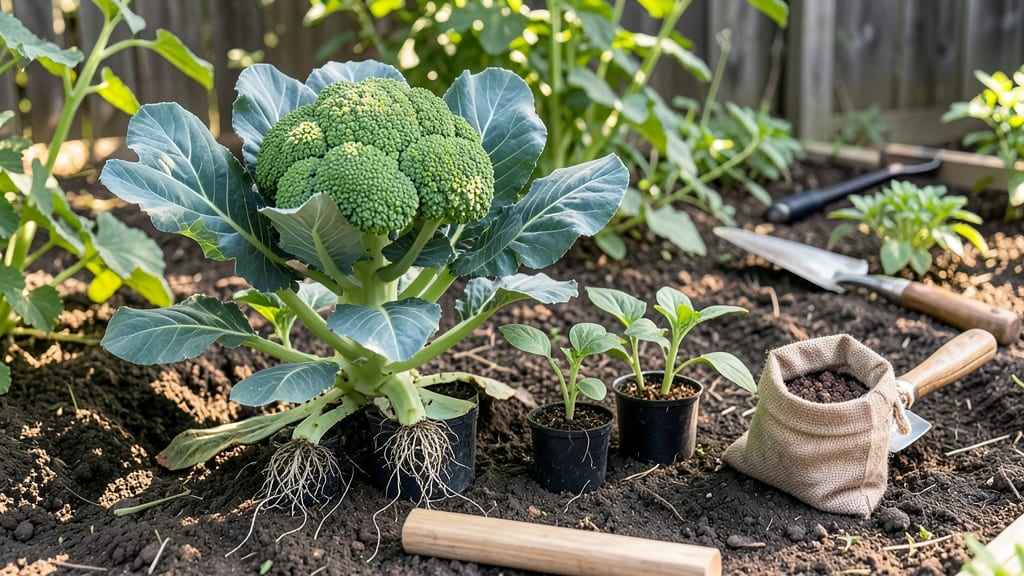
Planting broccoli at the wrong time in Zone 6b could mean the difference between a bountiful harvest of crisp 🥦 heads and a sad, wilted disappointment. The key to success?
Understanding your region's frost dates and choosing the right planting window—whether it's early spring or late summer—when temperatures are just right for this cool-season crop.
I've learned the hard way that broccoli planted too early can bolt in the heat, while planting too late risks frost damage before heads even form.
For Zone 6b gardeners like you, timing is everything—especially since your last frost typically hits around April 15 and first frost arrives by October 15. Let me show you exactly when to get those seeds in the ground for maximum yields.
We'll cover the two best planting windows for your climate, plus how to extend your harvest season with succession planting.
Whether you're a first-time gardener or a seasoned pro, these tips will help you grow broccoli that's sweeter, healthier, and ready to harvest at its peak—just in time for late spring and fall meals.
Ready to transform your garden? I'll walk you through everything from soil prep to frost protection, so you can enjoy homegrown broccoli that rivals anything you'd buy at the store. Let's get those plants growing!
Best planting windows for Zone 6b broccoli success
Zone 6b’s short growing season and variable frost dates demand precision when planting broccoli. The key is timing: aim for early spring (March-April) or late summer (August-September) to avoid heat stress while maximizing cold tolerance.
Spring plantings give you late spring harvests, while fall crops deliver autumn bounty before frost.
For spring, start seeds indoors 4-6 weeks before your last frost (April 15 in most of Zone 6b). Transplant seedlings 2-3 weeks before the last frost date to ensure they establish roots before warmer weather arrives.
Fall plantings should begin 3 months before the first frost (October 15), with seeds sown directly outdoors in August.
Pro tip: Use row covers or cold frames to extend your spring season by 2-3 weeks. This trick lets you plant even earlier (as soon as February) for a jump-start on growth. Just remove covers when daytime temps hit 70°F to prevent overheating.
Succession planting is your secret weapon for continuous harvests. Sow new seeds every 2 weeks in spring and every 3 weeks in fall. This staggered approach ensures you’re always enjoying fresh broccoli while avoiding the bolting risk that comes with sudden heat waves.
Zone 6b Broccoli Planting Timeline
| Season | Planting Window | Key Actions | Harvest Time |
|---|---|---|---|
| Spring | March 1 - April 15 | Start indoors (Feb), transplant outdoors (Mar-Apr) | May - June |
| Fall | August 1 - September 15 | Direct sow outdoors (Aug), succession plant every 3 weeks | October - November |
| Extended Spring | February 15 - March 1 | Use row covers, plant under cold frames | April - May |
⏰ Note: Adjust dates based on your specific last/first frost dates.
Heat is broccoli’s worst enemy. If you miss the fall window, temperatures above 80°F will cause plants to bolt prematurely. To beat the heat, choose heat-tolerant varieties like 'Calabrese' and plant in partial shade during peak summer months.
A simple shade cloth (30-50%) can drop temps by 10-15°F, buying you extra time for a successful harvest.
Soil temperature matters just as much as air temperature. Broccoli seeds need soil that’s at least 40°F to germinate. Use a soil thermometer to check—if it’s colder, wait or use a seedling heat mat.
In Zone 6b, this usually means waiting until mid-March for direct sowing or starting seeds indoors by February 15.
Don’t forget about succession planting for a continuous supply. After your first harvest, side-dress with compost and water deeply to encourage regrowth. Many broccoli varieties will produce 2-3 smaller side shoots after the main head is harvested, giving you extra weeks of productivity from a single planting.
For container gardeners, stick to dwarf varieties like 'Little Sprint' and plant in 5-gallon pots with well-draining mix. Containers warm up faster than garden beds, so adjust your planting timeline 1-2 weeks earlier than in-ground plantings to compensate for the heat difference.
Zone 6b’s unpredictable weather means flexibility is key. Keep an eye on your local frost forecast and be ready to cover young plants with frost cloth if late frosts threaten.
With the right timing and a few proactive adjustments, you’ll enjoy homegrown broccoli from late spring through fall—no bitter surprises here! 🥦
Best planting windows for Zone 6b broccoli success
Zone 6b gardeners have two prime windows to plant broccoli: early spring and late summer. The key is working with your last frost date (April 15) and first frost date (October 15).
Spring plantings give you harvests by late May, while fall plantings produce broccoli in October—just before winter sets in.
For spring plantings, aim to sow seeds 4-6 weeks before your last frost. That means starting in late March to early April. This timing ensures seedlings establish roots before warm weather triggers bolting.
Fall plantings should go in 3 months before first frost, so late July to early August works best.
Here's the exact schedule that works for my Zone 6b garden:
| Planting Window | Ideal Planting Months | Days to Maturity | Harvest Window |
|---|---|---|---|
| Early Spring | March-April | 60-80 days | Late May-June |
| Late Summer | July-August | 70-90 days | October-November |
| Succession Planting | Every 2 weeks (April-July) | 60-70 days | June-October |
Don't forget about succession planting—this is my secret weapon for continuous harvests. By sowing new seeds every 2 weeks from April through July, I extend my harvest season well into October.
Just be sure to stop succession plantings by mid-July to avoid plants maturing too late for fall harvests.
For both spring and fall plantings, I always harden off seedlings for 7-10 days before transplanting. This toughens them up for Zone 6b's unpredictable weather swings. And if you're worried about late frosts, use frost blankets for the first few nights after transplanting.
Pro tip: If you live in a cooler microclimate within Zone 6b, you can push spring plantings back by 2 weeks. Conversely, warmer microclimates might need earlier fall plantings. Always check your local frost-free date for the most accurate timing.