
Plants
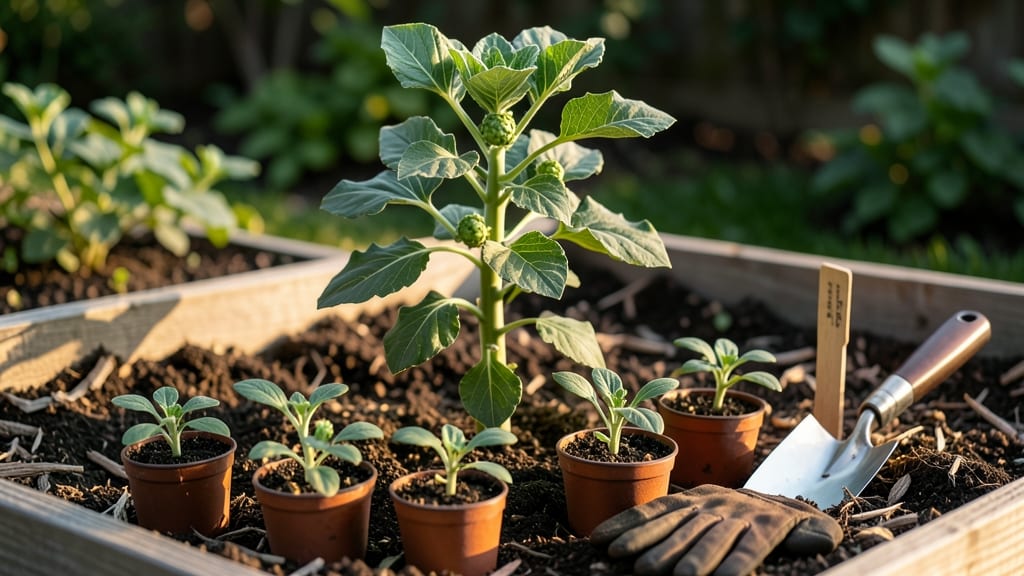
Timing your Brussel sprouts 🥬 planting in Indiana isn’t just about dropping seeds in the dirt—it’s the difference between a bountiful harvest and a sad, frost-bitten disappointment.
With Indiana’s 5b-6b climate, you’ve got a narrow window to get it right, and one wrong move could mean bolting plants or stunted growth.
Most gardeners here swear by planting mid-April to early May for spring crops, but fall is where things get tricky. If you miss the late July to early August window, you might end up with sprouts that either bolt in summer heat or freeze before they mature.
The key? Knowing exactly when to start seeds indoors versus planting directly in the soil.
I’ve grown Brussels sprouts in Indiana for years, and the biggest mistake I see is planting too early—only to watch them struggle through cool, wet springs. Or worse, planting too late and getting a harvest cut short by frost.
Let me show you the exact timing that works, whether you’re starting seeds 6 weeks before your last frost or transplanting young plants for a fall crop.
By the end, you’ll know not just when to plant, but how to stretch your growing season with simple tricks like row covers and succession planting. Ready to turn your Indiana garden into a Brussels sprout powerhouse? Let’s dive in.
Indiana’s ideal planting windows for Brussels sprouts: direct-sown vs transplant timing
Timing is everything when growing Brussels sprouts in Indiana’s USDA Zone 5b-6b. Unlike heat-loving crops, these cool-season veggies thrive in 50-75°F soil and actually sweeten with frost.
But plant too early, and you risk bolting from heat stress; too late, and your harvest won’t mature before winter’s first hard freeze. Let’s break down the perfect windows for both direct-sown seeds and transplants.
Indiana’s last average frost date (April 15) and first frost date (October 15) create a 165-day growing season—just enough for Brussels sprouts if you time it right. The key is planting 4-6 weeks before your first frost for a fall harvest, giving them 90-120 days to mature.
For spring plantings (less common), aim for early March under row covers, but this is riskier due to unpredictable spring weather.
Direct-sown seeds are my go-to for Indiana gardens because they establish stronger roots and handle transplant shock better. Start them mid-April to early May when soil temps hit 45°F. This gives them time to germinate (which takes 7-14 days in cool soil) and grow before summer’s heat arrives. For fall harvests, direct-sow again late July to early August—this second planting avoids early-season heat stress while still maturing before frost.
Transplants offer a shorter route but require more precision. Purchase 6-week-old seedlings from nurseries and set them out 4-6 weeks before your first frost (around early August for fall). Avoid spring transplants—they struggle with temperature fluctuations and often bolt. Pro tip: Harden off transplants for 7-10 days before planting to toughen them up for Indiana’s humid summers.
🌱 Indiana Brussels Sprouts Planting Guide
| Planting Method | Best Time | Soil Temp | Days to Harvest | Key Notes |
|---|---|---|---|---|
| Direct-Sown Seeds | Mid-April to early May | 45-55°F | 90-120 | Germinates in 7-14 days; avoid summer heat |
| Direct-Sown Seeds (Fall) | Late July to early August | 50-60°F | 90-120 | Best for frost-sweetened harvests |
| Transplants | Early August | 55-65°F | 80-100 | Use 6-week-old seedlings; harden off first |
💡 Pro Tip: Test soil pH (aim for 6.0-7.5) and amend with compost before planting.
Don’t overlook microclimates in Indiana. Gardens in northern Indiana (like Gary or South Bend) have shorter seasons—stick to late July plantings for fall harvests. Meanwhile, southern Indiana (Evansville, Louisville) can squeeze in two plantings: early spring and late summer.
Use a soil thermometer to confirm temps before planting; cool soil speeds germination, while warm soil (above 70°F) causes seeds to rot.
For direct-sown seeds, plant 1/2 inch deep and 1 inch apart in rows 2 feet apart. Thin seedlings to 6 inches apart when they’re 4 inches tall—this reduces competition and improves air circulation.
If you’re using transplants, space them 18-24 inches apart to accommodate their 2-3 foot mature height. Remember, Brussels sprouts need full sun (6+ hours daily), so choose a south-facing spot in your garden.
Indiana’s humidity and summer heat can stress Brussels sprouts, so prioritize well-draining soil mixed with compost. Add a 2-inch layer of mulch (straw or shredded leaves) to retain moisture and regulate soil temps. Avoid planting in low-lying areas where cold air pools—this
Indiana’s ideal planting windows for Brussels sprouts: direct-sown vs transplant timing
Indiana’s USDA Zones 5b-6b mean you’ll need to time your Brussels sprouts planting carefully to avoid early frosts or summer bolting. The key is planting either 4-6 weeks before the first frost (mid-April to early May) for a fall harvest or late July to early August for a winter crop.
Let’s break down the best strategies for both direct-sown seeds and transplants.
For direct-sown seeds, aim to plant mid-April to early May when soil temperatures reach 45°F. This gives sprouts enough time to mature before winter.
If you prefer transplants, start them indoors 6-8 weeks before the last frost (around early March) and transplant them outdoors after April 15 when nighttime temperatures stay above 40°F.
📋 Brussels Sprouts Planting Timeline for Indiana
| Stage | Action | Timeframe |
|---|---|---|
| Start Indoors (Transplants) | Sow seeds in trays | Early March |
| Direct-Sow Outdoors | Plant seeds in garden | Mid-April to Early May |
| Transplant Outdoors | Move seedlings to garden | After April 15 |
| Fall Planting (Direct-Sow) | Late July to Early August | For winter harvest |
| Harvest Ready | Pick mature sprouts | October to December |
If you’re planting transplants, harden them off for 7-10 days before moving them outdoors. This helps them adjust to Indiana’s variable spring temperatures. For direct-sown seeds, ensure the soil is well-draining and enriched with compost to support their 90-day growth cycle.
One critical tip: Avoid planting too early, as cool soil temperatures can stunt germination. Use a soil thermometer to confirm the soil is at least 45°F before sowing. If your spring is late, opt for transplants instead of risking direct-sowing delays.
For a fall harvest, prioritize planting 4-6 weeks before the first frost (around early September). This timing ensures your sprouts mature before winter sets in. If you miss this window, consider row covers or a cold frame to extend the season.
Remember, Brussels sprouts thrive in cool weather, making Indiana’s climate ideal—just don’t let summer heat fool you into planting too late. With the right timing, you’ll enjoy a harvest from October through December, just in time for holiday feasts! 🥬