
Plants
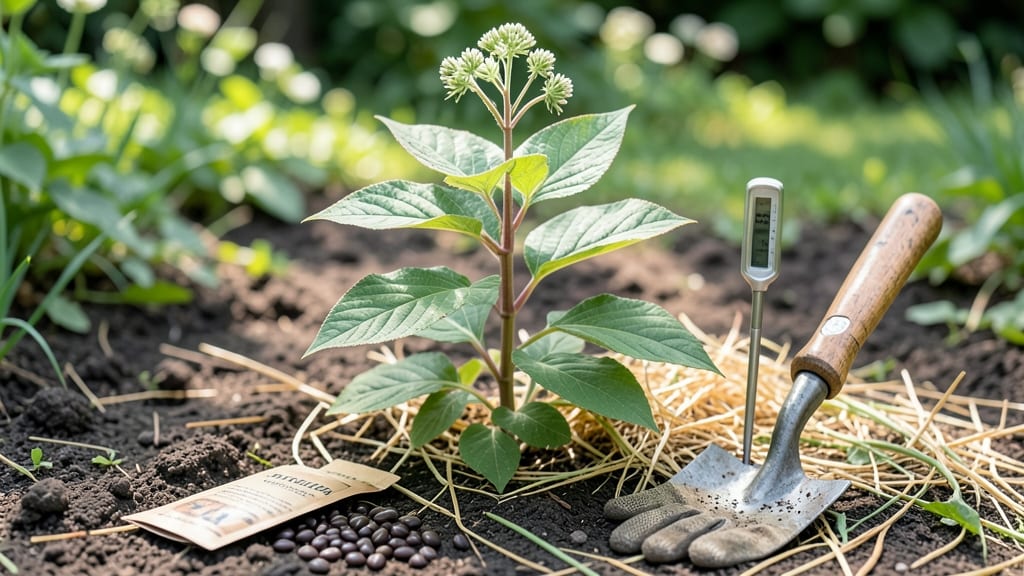
Timing your buckwheat planting in Michigan isn't just about the calendar—it's about catching that sweet spot between frost and peak growth. This fast-growing crop 🌾 needs precise weeks before your first frost to thrive, whether you're growing it for grain or as a cover crop.
Plant too early, and you risk bolting; too late, and you'll miss its fast benefits before winter sets in.
Michigan's USDA Zones 5-6 give you two clear windows: late April through early July for summer harvests, or August through early September for fall plantings. The key is understanding how soil temperatures and regional microclimates play into your planting strategy.
Northern Michigan might need adjustments compared to southern areas, but these windows ensure you're always ahead of the frost.
What makes buckwheat so special is its 30-60 day growth cycle, making it perfect for Michigan's short season. Whether you're suppressing weeds, improving soil, or harvesting protein-rich grain, getting the timing right means the difference between a thriving crop and a wasted opportunity.
Let's break down exactly how to nail those planting weeks for maximum success.
From soil prep to frost dates, I'll walk you through everything you need to know to plant buckwheat at the perfect time. You'll learn how to read your local climate, adjust for early or late frosts, and even combine it with companion plants for better yields.
Ready to grow buckwheat like a pro? Let's get started.
Michigan’s ideal buckwheat planting calendar: weeks before frost for peak growth
Michigan’s short growing season demands precision when planting buckwheat—whether for grain harvest or cover crop benefits. The key is timing it 4-6 weeks before frost, ensuring mature plants before Mid-October’s first frost.
For grain production, aim for late April to early July plantings, while cover crop plantings thrive in August to early September.
Northern Michigan’s USDA Zone 4 has a shorter season, so adjust planting 2 weeks earlier than southern Michigan’s Zone 6. For example, in Detroit (Zone 6), plant May 15–June 15 for grain or August 1–15 for cover crops.
In Traverse City (Zone 5), shift to May 1–June 1 or July 20–August 5.
Buckwheat’s 30–60 day cycle means missing the window by even 10 days can reduce yields. Use Michigan State University’s frost date calculator to pinpoint your local cutoff.
For northern Michigan, subtract 7–10 days from the average frost date, while southern Michigan gardeners can push closer to 6 weeks out.
Michigan Buckwheat Planting Guide
| Planting Window | USDA Zone | Best Months | Days to Frost | Purpose |
|---|---|---|---|---|
| Late April–Early July | 4–6 | May–June | 60–75 | Grain harvest |
| August–Early September | 4–6 | August | 45–60 | Cover crop |
| Northern MI (Zone 4) | 4 | May 1–June 10 | 50–60 | Grain or cover |
| Southern MI (Zone 6) | 6 | May 15–June 20 | 65–75 | Grain or cover |
Pro Tip: Use black plastic mulch to warm soil faster in Zone 4 areas.
For grain production, prioritize late May to early June plantings in most of Michigan. This ensures 60–75 days of growth before frost, with golden-brown seed heads ready by late September. In northern counties, opt for earlier varieties like ‘Tokachi’, which matures in 50 days.
If using buckwheat as a cover crop, plant late August to early September for a fall-green manure before winter. This outcompetes weeds and adds organic matter to soil.
In southern Michigan, you can extend cover crop plantings to mid-September, but avoid planting after September 15 in Zone 4.
Microclimates matter! Urban gardens in Detroit or Grand Rapids may have 2–3 extra warm weeks due to heat islands. Use a soil thermometer to confirm 50°F+ soil temps before planting. In rural areas, cooler nights can delay growth, so plant 1 week earlier than urban schedules.
Buckwheat’s fast growth makes it ideal for intercropping with slow-starting crops like asparagus or rhubarb. Plant buckwheat after early spring crops like radishes or spinach to maximize space. For fall plantings, pair it with garlic or onions to suppress weeds naturally.
Always check Michigan State University Extension for localized frost alerts, as La Niña years can bring earlier frosts. Adjust your planting date 10–14 days earlier if forecasts predict cooling trends. With the right timing, buckwheat can double as a grain crop and soil protector in one season.
Remember: Buckwheat hates competition. Clear
Michigan’s ideal buckwheat planting calendar: weeks before frost for peak growth
Michigan’s USDA Zones 4-6 create two distinct planting windows for buckwheat 🌾: a spring/early summer window for grain harvests and a late-summer/fall window for cover crops. The key is planting 4-6 weeks before your first frost date, which typically falls around mid-October in most regions.
For northern Michigan (Zone 4), aim for late May to early July, while southern Michigan (Zone 6) can extend planting until early August for fall cover crops.
Buckwheat’s 30-60 day growth cycle makes it perfect for Michigan’s short season. Plant too early in spring, and you risk bolting (premature flowering) due to heat. Too late, and frost will cut your crop short.
The ideal timing ensures your buckwheat reaches maturity before the first frost, whether you’re growing it for grain or soil improvement.
| Planting Window | Best For | Weeks Before Frost | Michigan Regions |
|---|---|---|---|
| Late April - Early July | Grain harvest | 12-16 | All zones (adjust for early frost) |
| August - Early September | Cover crop/soil improvement | 4-6 | Zones 5-6 (avoid Zone 4) |
For spring plantings, wait until after your last frost date (typically mid-May) to avoid cold damage. If you’re planting in northern Michigan, opt for faster-maturing varieties like ‘Manchuria’ to ensure harvest before frost.
In southern Michigan, you can push planting later into July for fall cover crops, but aim to finish by early August to allow enough growth time.
Pro tip: Use Michigan State University’s frost date calculator to pinpoint your exact planting window. Adjust for microclimates—areas near lakes or urban heat islands may have slightly later frosts. If your region experiences unpredictable weather, err on the side of planting later rather than risking early frost damage.
Buckwheat’s fast germination (5-7 days) means you can even sow it as late as mid-August in southern Michigan for a fall cover crop, but expect smaller yields. The trade-off? Improved soil structure and weed suppression before winter. For grain production, stick to the early-summer window for the best results.
Remember, buckwheat thrives in full sun and well-draining soil, so choose a location with at least 6 hours of sunlight daily. If you’re planting in containers, ensure they’re at least 6 inches deep and use a light, sandy mix to prevent waterlogging.
With the right timing, you’ll have a bountiful harvest or a thriving cover crop ready for winter.