
Plants
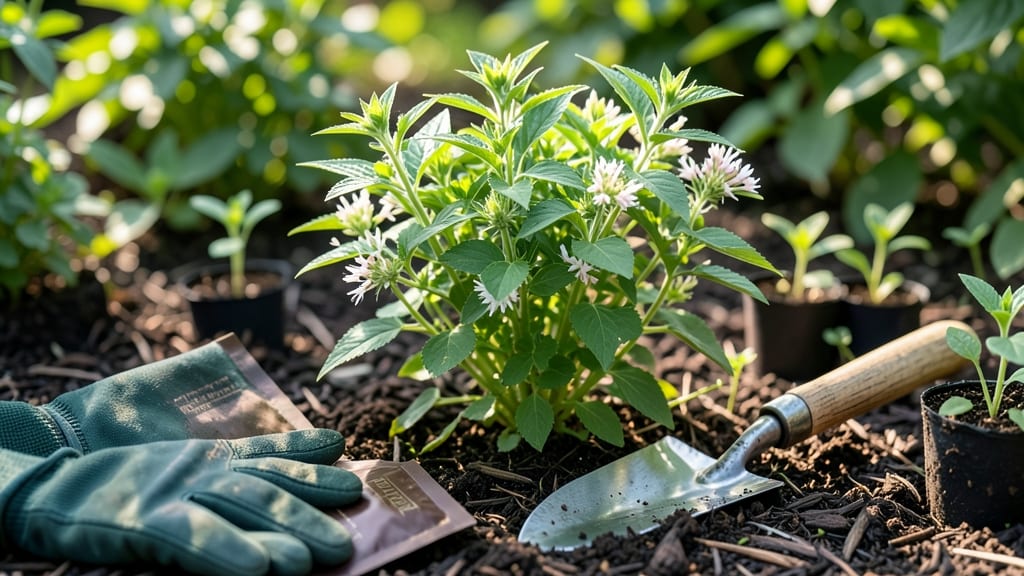
Planting buckwheat at the wrong time in North Carolina can mean the difference between a lush, high-yield harvest and a disappointing flop. This fast-growing crop thrives when soil temperatures hit 50°F or warmer, making timing critical for gardeners in zones 6a-8b.
Whether you're growing it for grain, a cover crop, or even as a pollinator magnet, buckwheat's 60-90 day growth cycle demands precision. I'll show you exactly when to plant—from the mountains of Asheville to the coastal plains—so you can maximize your yield before the first frost.
Missed the spring window? No problem. Buckwheat also performs well in summer plantings, but there are key adjustments to make. I'll walk you through the best months, soil prep secrets, and how to protect your crop from NC's unpredictable weather patterns.
Ready to grow buckwheat like a pro? Let's dive into the exact planting schedule that'll give you the fastest, most reliable results—no guesswork involved.
NC buckwheat planting timeline: exact weeks before last frost for maximum yield
North Carolina’s diverse climate—from the Coastal Plain to the Mountains—means buckwheat planting windows vary by region. For USDA Zones 6-8, timing is critical to avoid early frost damage or overly mature plants before harvest. Here’s your exact planting schedule based on NC’s average last frost dates.
Buckwheat thrives when planted 2-4 weeks before your area’s last frost, but it’s a warm-season crop that won’t tolerate cold soil. In Raleigh (Zone 7b), that’s typically mid-to-late April, while Asheville (Zone 7a) can start 2 weeks earlier (early April).
Coastal areas like Wilmington (Zone 8a) have until early May.
For maximum yield, aim to plant 4-6 weeks before your first expected frost in fall. In most of NC, this means late July to early August for a fall harvest. Buckwheat’s 30-40 day growth cycle ensures it matures before winter sets in, even in Zone 6.
🌾Pro Tip: Use a frost calendar for your specific county (find one via the NC State Extension website) to pinpoint your exact dates. Buckwheat’s fast germination (5-7 days) means you can even sow directly after soil warms to 50°F.
| Region | Last Frost Date | Ideal Planting Window | Harvest Window |
|---|---|---|---|
| Mountains (Asheville, Boone) | March 15 - April 1 | Early April - Mid-May | Late June - Early August |
| Piedmont (Raleigh, Greensboro) | March 20 - April 5 | Mid-April - Late May | Late July - Early September |
| Coastal Plain (Wilmington, Fayetteville) | March 25 - April 10 | Late April - Early June | Late August - Mid-October |
| High Country (Spruce Pine) | March 1 - March 15 | Late March - Early May | Late June - Early August |
If you’re growing buckwheat for grain, prioritize late spring plantings (May) to ensure seeds mature before fall frosts. For cover crop use, early summer or fall plantings work well—buckwheat suppresses weeds and adds nitrogen to soil in just 6 weeks.
In Zone 8b (eastern NC), you can even squeeze in a second planting in late summer (August) for a fall harvest. Just ensure you plant at least 8 weeks before your first frost to avoid stunted growth.
For example, if your frost date is November 15, plant by September 15.
💡Key Insight: Buckwheat’s tolerance for poor soil makes it ideal for NC’s clay-heavy or sandy soils. However, amend with compost before planting to boost phosphorus levels, which buckwheat craves for seed production. A pH of 6.0-7.0 is perfect.
For container growing, plant buckwheat in 5-gallon pots by mid-April (Zone 7) or late April (Zone 8). Containers warm up faster than garden beds, giving you a head start in cooler regions like the NC Mountains. Just ensure pots have drainage holes to prevent root rot.
🌿Regional Adjustment: In humid coastal areas, watch for powdery mildew if planting late. Space plants 12-18 inches apart and water at soil level (not overhead) to improve airflow. Mountain gardeners should mulch heavily to retain soil warmth and moisture.
NC buckwheat planting timeline: exact weeks before last frost for maximum yield
North Carolina’s diverse climate zones (6a-8b) mean your buckwheat planting window shifts from the Coastal Plain to the Mountains. For Raleigh and Charlotte, aim for 4-6 weeks before last frost (mid-March to early April), while Asheville gardeners should wait until late April due to later frost dates.
Buckwheat’s fast growth cycle (50-90 days) makes it perfect for summer planting too. For grain production, sow seeds in late May to June—this ensures harvest before first fall frosts (October-November).
If using it as a cover crop, you can even plant in early September for winter protection.
| Region | Last Frost Date | Optimal Planting Window | Harvest Window |
|---|---|---|---|
| Coastal Plain (Wilmington) | March 15 | Late March–April 15 | July–September |
| Piedmont (Raleigh/Charlotte) | March 22 | April 1–May 1 | July–October |
| Mountains (Asheville) | April 1 | Late April–May 15 | August–October |
| Summer Grain Planting | N/A | Late May–June 15 | September–October |
For maximum yield, plant buckwheat when soil temperatures hit 50°F or warmer. Use a soil thermometer to check—cold soil slows germination.
In warmer zones (7-8), you can even direct-sow in March, but cooler zones (6a) should wait until after April 15 to avoid late spring frosts.
If you miss the spring window, don’t worry—buckwheat’s heat tolerance lets it thrive in summer’s high temps. For fall planting, sow seeds by August 15 to ensure they mature before first frost. This late-season crop also suppresses weeds and attracts pollinators like bees and butterflies.
Pro tip: Test your soil’s pH before planting—buckwheat prefers 6.0-7.0. If your soil is too acidic, add lime 2-3 weeks before sowing. Well-draining soil is key to prevent root rot in NC’s humid summers.
Once planted, buckwheat grows aggressively—thin seedlings to 6-12 inches apart for optimal airflow. In dry spells, water deeply every 5-7 days to encourage fast, robust growth. With the right timing, you’ll harvest nutrient-rich seeds or use it as a living mulch before winter.