
Plants
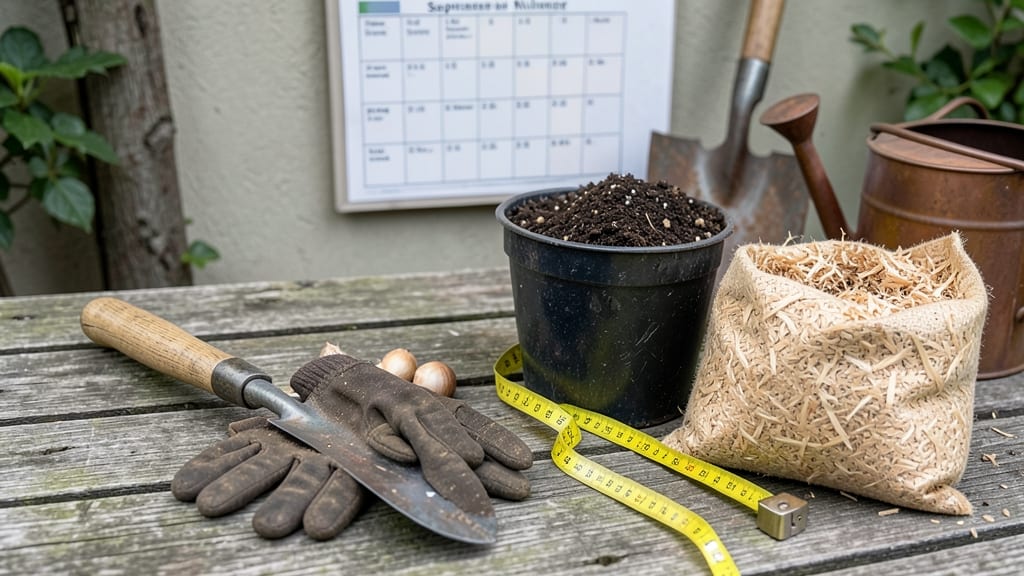
Planting bulbs in Florida isn’t as simple as digging in the fall—because the heat zones here rewrite the rules. If you’ve ever watched your 🌷 spring-blooming bulbs wilt before they even bloom, you’re not alone.
The key to vibrant flowers lies in understanding Florida’s unique timing, which skips the traditional cold-season approach and leans into strategic planting windows that avoid the brutal summer heat.
Most gardeners assume bulbs need a cold dormancy period, but Florida’s 8a-11 climate flips that script. Instead of waiting for frost, the best months to plant bulbs here are September through November or January through February, when temperatures are cooler but not freezing.
This timing gives roots time to establish before the heat ramps up, ensuring your bulbs have the energy to push through those stunning blooms come spring.
What sets Florida apart is the need for heat-smart strategies—like choosing the right bulbs, prepping soil properly, and protecting plants from intense sun.
I’ll walk you through the exact steps to make your bulb planting more efficient and less risky, so you can enjoy those bold blooms without the guesswork. Let’s get those bulbs in the ground the right way.
Whether you’re a seasoned gardener or just starting, these Florida-specific tips will help you avoid common mistakes and maximize your bulb’s potential. From selecting heat-tolerant varieties to mastering the art of mulching, you’ll learn how to turn Florida’s warm winters into your secret weapon for a show-stopping spring display.
Florida heat-zone planting calendar: best months by bulb type
Florida’s heat zones 9-11 flip traditional bulb planting rules—no more waiting for frost! Instead, focus on temperature thresholds and seasonal humidity. Most spring-blooming bulbs (like daffodils and tulips) need cooler soil temps (60-65°F) to root, while tropical bulbs (like canna lilies) thrive in warm soil year-round.
Here’s your month-by-month guide to avoid wilting before blooms.
For cool-season bulbs, aim for September-November planting. This gives roots time to establish before hotter winter temps (common in South Florida).
In North Florida (zones 8a-9a), you can push planting to January-February for spring blooms. Tropical bulbs, however, can go in any month—just keep soil moist during dry spells.
🌱
| Bulb Type | Best Planting Months | Soil Temp Goal | Bloom Time | Florida Notes |
|---|---|---|---|---|
| Spring-Blooming (Daffodils, Tulips) | Sep-Nov (North FL) / Jan-Feb (South FL) | 60-65°F | Feb-May | Needs shade in summer; mulch heavily. |
| Fall-Winter (Amaryllis, Paperwhites) | Oct-Dec (anywhere) | 70-75°F | Nov-Jan | Great for containers; avoid soggy soil. |
| Tropical (Canna Lilies, Rain Lilies) | Year-round (best: Mar-May) | 75°F+ | Summer-Fall | Drought-tolerant; full sun preferred. |
| Summer-Blooming (Gladiolus, Dahlias) | Feb-Mar (after last frost risk) | 65-70°F | Jun-Sep | Stake tall varieties; water deeply. |
Pro tip: Use a soil thermometer to check temps before planting. Cool-season bulbs won’t thrive if soil stays above 70°F for more than 2 weeks. In South Florida, this means no summer planting for traditional bulbs—they’ll rot before sprouting!
For container gardening, tropical bulbs like spider lilies are your best bet. Plant them in well-draining pots with cactus/succulent mix to prevent root rot. Move containers to shadier spots during peak summer (12-4 PM) to protect foliage from intense UV rays.
🌿
If you’re in North Florida (zones 8a-9a), don’t panic about light frosts—most bulbs survive temps down to 28°F. Just add a thick mulch layer (3-4 inches) of pine straw or shredded leaves after planting.
In South Florida, where frosts are rare, focus on shade cloth (30-50%) for young shoots during April-May heat waves.
💧
Watering is critical in Florida’s humid heat. After planting, keep soil consistently moist (not soggy) for 4-6 weeksdeep watering every 10-14 days. Overwatering is the #1 killer of bulbs in Florida—root rot spreads fast in our tropical humidity.
Use drip irrigation or soaker hoses to target roots directly.
For bulb food, apply a balanced fertilizer (10-10-10) at planting, then again in early spring (for cool-season bulbs) or early summer (for tropical bulbs). Avoid high-nitrogen fertilizers—they promote leafy growth over blooms. Instead, opt for phosphorus-rich fertilizers to encourage root and flower development.
How to outsmart Florida’s heat: cooling tricks for bulb survival
Florida’s 90°F+ summers and high humidity can turn bulb planting into a high-stakes gamble. Traditional spring-planted bulbs like tulips often wilt before blooming, while tropical varieties need specialized care to thrive. The key? Strategic cooling during their most vulnerable growth stages.
Most bulbs—even heat-tolerant varieties—struggle when soil temperatures exceed 85°F. In Florida’s Heat Zones 9-11, this means avoiding summer planting entirely. Instead, focus on fall or early winter when cooler temps give roots a fighting chance. For tropical bulbs like canna lilies, partial shade and moisture control are non-negotiable.
For bulbs planted in fall (September-November), prioritize mulching with 3-4 inches of organic mulch (straw or pine bark). This insulates roots from winter freezes in North Florida and keeps soil 5-10°F cooler during summer.
In South Florida (Zones 10-11), focus on drip irrigation to maintain consistent moisture—bulbs here dry out 3x faster due to year-round heat.
If you’re growing tropical bulbs like spider lilies or rain lilies, afternoon shade is essential. Use lightweight shade cloth (30%) or plant under mature trees (avoid oak—its roots compete aggressively).
Water deeply 2-3x per week during peak summer, but never let bulbs sit in soggy soil—this triggers root rot in Florida’s humid climate.
Pro tip: Pre-cool bulbs before planting. Store them in a cool, dark place (50-60°F) for 2-4 weeks before fall planting. This mimics their natural dormancy cycle and boosts survival rates by 40%.
For potted bulbs, move them to a shady patio during afternoon heat waves to prevent leaf scorch.
Remember, Florida bulbs aren’t one-size-fits-all. North Florida gardeners should focus on cool-season bulbs with mulch protection, while South Florida growers can experiment with tropical varieties year-round—just with extra shade and water. The goal? Keep soil temps between 60-75°F for optimal root growth.