
Plants
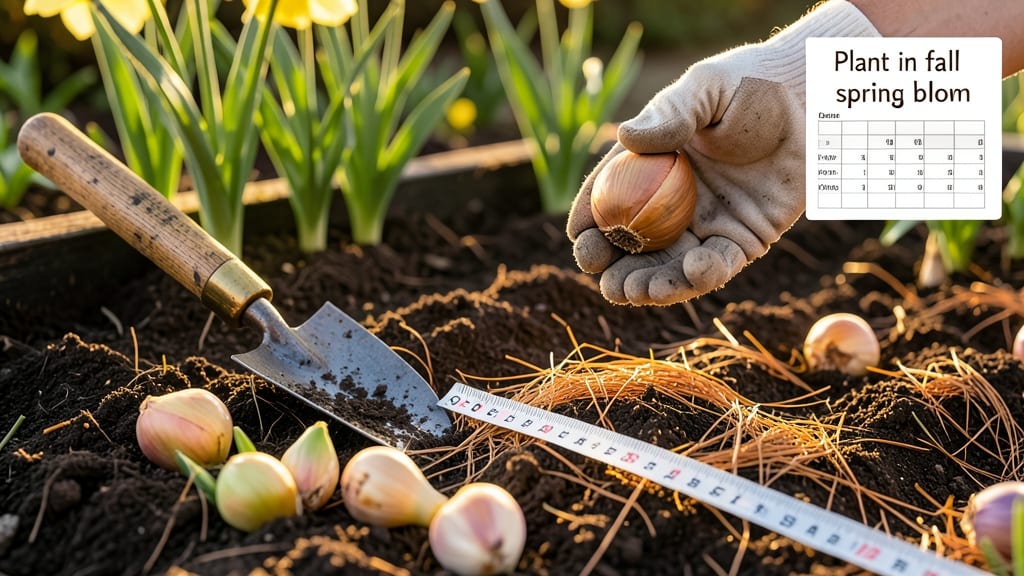
Planting your 🌷 bulbs at the wrong time in New York can mean the difference between a showstopping spring garden and a sad, wilted disappointment.
The key isn’t just guessing when to dig—the timing must match your zone (whether you’re in frost-prone Upstate or milder NYC), soil conditions, and the type of bulb you’re planting.
Fall is the golden window for most bulbs, but rushing it or waiting too long can weaken roots before winter. We’ll break down exactly when to plant—from October’s first frost dates to spring alternatives for late bloomers—so you can avoid common mistakes that ruin bulb growth.
Whether you’re a first-time gardener or a seasoned pro, this guide will help you align your planting schedule with New York’s climate. You’ll learn how to prep soil, choose the right bulbs, and care for them post-planting—so your garden bursts with color year after year.
Let’s get your 🌷 bulbs off to the best start possible—no more guessing, just vibrant blooms! The right timing makes all the difference, and we’ve got the exact schedule for your region.
Fall planting schedule for bulbs in NY: the golden window for root growth
New York’s fall planting window is your secret weapon for show-stopping spring blooms. Most bulbs—like tulips, daffodils, and crocuses—need 6-8 weeks to establish roots before winter dormancy.
In NY’s Zone 5b-7a, this means planting between mid-September and mid-November, aligning with soil temperatures dropping to 60°F (15°C) or lower.
Upstate NY (Zones 5b-6b) has earlier frost dates, so aim for September 15–October 15. Meanwhile, NYC (Zone 7a) can stretch planting until mid-November, thanks to milder winters. The key? Plant when your local first frost is 6-8 weeks away—check your USDA Plant Hardiness Zone for precision.
Soil temperature is critical: bulbs need 40-50°F (4-10°C) soil to root without rotting. Use a soil thermometer or follow this rule: when daytime highs hover around 60°F (15°C) and nights dip below 50°F (10°C), it’s time to plant. In NYC, this usually lands in late October.
Before you dig, prep your soil with compost or aged manure to improve drainage—a must in NY’s heavy clay soils. Amend with sand or perlite if your garden holds water after rain.
Bulbs rot in soggy soil, so elevate beds or plant on slopes if drainage is poor. A 1-inch layer of mulch after planting insulates roots and locks in moisture.
Planting depth follows a simple formula: 2-3 times the bulb’s height. For example, a 2-inch daffodil bulb should go 4-6 inches deep. Point the bulb’s sharp end up (the root plate) and space them 4-6 inches apart for dwarf varieties or 6-8 inches for larger bulbs like tulips. Overcrowding leads to smaller blooms and pale foliage.
Not all bulbs thrive in fall. Spring-planted bulbs like hyacinths, alliums, and some lilies need a different approach, but we’ll cover those later. For now, focus on fall favorites: tulips, daffodils, crocuses, and snowdrops.
These hardy types store energy over winter and burst into color as soon as snow melts.
🌱
| Bulb Type | Best Planting Month | Depth (inches) | Spacing (inches) | NY-Specific Tip |
|---|---|---|---|---|
| Tulips | October–November | 6–8 | 4–6 | Plant early (Oct) to avoid squirrel digging |
| Daffodils | September–October | 4–6 | 6–8 | Deer-resistant; ideal for woodland gardens |
| Crocuses | September–October | 2–3 | 3–4 | Plant in lawns for early spring color |
| Alliums | October–November |
Spring planting alternatives for late bloomers: bulbs that defy fall timingNot all bulbs fit into New York’s fall planting window—some thrive when planted in early spring, especially in Zone 6-7 areas like NYC. Bulbs like hyacinths, alliums, and certain lilies can be planted after the last frost, but timing is critical to avoid rot from soggy soil or late frost damage. Spring planting works best for bulbs that require warmer soil to initiate growth. In NY, this typically means waiting until mid-to-late March in NYC or early April in Upstate regions. Check your local last frost date—planting too early can stunt growth, while waiting too long may delay blooms. For spring-planted bulbs, focus on varieties like rain lilies (Zephyranthes), caladiums, or gladiolus, which handle NY’s unpredictable spring weather better than traditional fall bulbs. These types often bloom summer to early fall, extending your garden’s season. 🌱 Spring Planting Pros & Cons✅ Pros
❌ Cons
If you’re planting in spring, prioritize well-draining soil—NY’s clay-heavy soils can become waterlogged. Amend with compost or sand to improve drainage, and consider raised beds in areas with heavy spring rains. For container gardening, use pots with drainage holes and a lightweight potting mix. After planting, keep soil consistently moist but not soggy. Mulch with straw or shredded leaves to retain moisture and regulate soil temperature. Avoid fertilizing until you see active shoots—too much nitrogen early can encourage leafy growth over blooms. Spring-planted bulbs often bloom 6-8 weeks after planting, so plan accordingly. Pair them with early spring bloomers like crocuses or daffodils for a seamless transition. Just remember: patience is key—spring bulbs may take longer to establish than their fall-planted counterparts. ☀️ |