
Plants
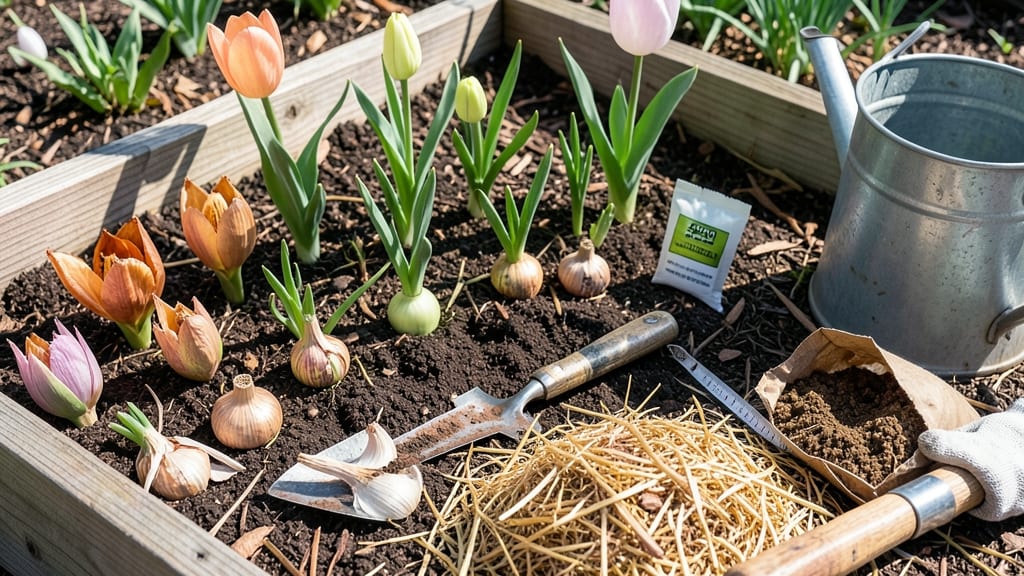
Planting bulbs in Portland, Oregon, at the wrong time could mean skipping next spring’s showstopping blooms—especially when your 🌷 tulips or daffodils depend on that narrow window between rain and frost.
The key lies in understanding Portland’s unique USDA Zone 8a climate, where soggy soil and early frosts can derail even the most eager gardener.
I’ve learned the hard way that timing isn’t just about months—it’s about soil temperature, moisture levels, and even your yard’s microclimate. Whether you’re prepping for fall’s 6-8 week planting rush or eyeing a late-winter adjustment, getting it right means stronger roots and bigger blooms come March.
Let’s break down the exact moments to plant for maximum success in your garden.
Most gardeners focus on fall planting, but Portland’s mild winters open doors for spring alternatives too. The trick? Adjusting for your specific location—whether you’re in downtown’s urban heat island or the cooler hills of Hillsboro.
I’ll share the exact calendar, soil prep secrets, and even which bulbs thrive best in Portland’s wet springs.
Ready to transform your garden into a springtime paradise? Stick around—I’ll walk you through every step, from choosing the right bulbs to beating Portland’s biggest planting pitfalls. Your future blooms will thank you.
Optimal fall planting months for bulbs in Portland’s climate
Portland’s USDA Zone 8a/8b climate creates a unique window for planting bulbs, where fall planting is ideal for most varieties. The key is to plant bulbs 6-8 weeks before hard frost, typically between mid-September and early November.
This timing allows bulbs to establish roots before winter dormancy, ensuring vibrant spring blooms.
Your soil temperature should be between 50–60°F when planting. In Portland, this usually aligns with late September to early October. Use a soil thermometer to confirm—if temperatures drop below 40°F, roots may struggle to grow.
Portland’s rainy season adds complexity. While moisture helps root establishment, waterlogged soil can rot bulbs. Amend your soil with compost or sand to improve drainage, especially in low-lying areas where water pools.
For spring-flowering bulbs like tulips and daffodils, aim to finish planting by October 15. This gives roots enough time to anchor before the ground freezes. Late plantings in November may still work, but blooms could be delayed or reduced.
Consider microclimates in Portland. Urban areas like downtown may experience heat islands that delay frost, while higher elevations (e.g., Hillsboro) can see earlier freezes. Adjust your planting timeline accordingly—observe local frost dates or ask neighbors with established gardens.
Bulbs need 4–6 inches of soil coverage, with the pointy end facing up. In Portland’s clay-heavy soil, mixing in organic matter like leaf mold or well-rotted manure improves aeration and moisture retention.
Planting too early (August) risks premature sprouting, while late plantings (after November) may not establish roots before winter. Balance is key—aim for late September to early October for most bulbs.
🌱 Did You Know? Portland’s wet winters can make fall planting tricky. If your soil is soggy, wait for a dry spell or plant in raised beds to avoid bulb rot.
| Bulb Type | Planting Window | Depth | Spacing | Notes |
|---|---|---|---|---|
| Tulips | Late Sept–early Nov | 6–8 inches | 4–6 inches apart | Needs well-draining soil |
| Daffodils | Oct–Nov | 6–8 inches | 6 inches apart | Deer-resistant |
| Hyacinths | Oct–early Nov | 6 inches | 4–5 inches apart | Fragrant blooms |
| Alliums | Sept–Oct | 6–8 inches | 6–12 inches apart | Drought-tolerant |
| Crocuses | Sept–Oct | 3–4 inches | 3–4 inches apart | Early spring blooms |
After planting, mulch with straw or leaves to insulate bulbs from freeze-thaw cycles. This protects roots and retains moisture during Portland’s winter rains. Remove mulch in early spring to prevent rot as shoots emerge.
Test your soil’s pH (6.0–7.0) before planting. Portland’s acidic soils may benefit from lime amendments. Bulbs thrive in neutral to slightly acidic soil, so adjust as needed for optimal root growth.
🌿 Pro Tip: Plant bulb companions like heuchera or ferns to add texture and reduce weed competition. These shade-tolerant plants won’t compete with bulbs for nutrients.
Optimal fall planting months for bulbs in Portland’s climate
Portland’s USDA Zone 8a/8b climate offers a narrow but critical window for planting spring-flowering bulbs like tulips, daffodils, and hyacinths. The key is planting 6-8 weeks before hard frost, which typically falls around mid-October in Portland.
This means your ideal planting window spans from late September to early November, aligning with soil temperatures between 50–60°F—perfect for root establishment before winter dormancy.
Timing is everything because bulbs need 4–6 weeks of root growth before the ground freezes. In Portland, where rainfall averages 4–6 inches per month in fall, overly wet soil can delay planting.
Wait until the ground is workable but not soggy—usually after a dry spell. October is the sweet spot for most gardeners, balancing moisture and temperature.
🌱
Missed the fall window? Don’t panic. While spring planting (Feb–March) is less ideal, it’s still possible for hardy varieties like daffodils and crocuses. The trade-off is smaller blooms, but with proper soil prep—amending with compost and ensuring good drainage—you can still achieve decent results.
Just avoid planting after mid-April, when bulbs need time to root before summer heat arrives.
For urban gardeners in Portland, microclimates matter. Areas like Hillsboro or the West Hills experience earlier frosts, so plant bulbs 2–3 weeks earlier than downtown.
Conversely, sheltered spots near buildings may stay warmer, extending your window into early December. Always check your local frost date averages to fine-tune timing.
One common mistake is planting bulbs too deeply or too shallowly. In Portland’s clay-heavy soils, aim for 6–8 inches deep (or 3x the bulb’s height) to protect them from frost heave.
Add a 2-inch layer of mulch after planting to insulate roots and retain moisture during Portland’s wet winters. This simple step can mean the difference between vibrant blooms and flopped flowers.
🌿