
Plants
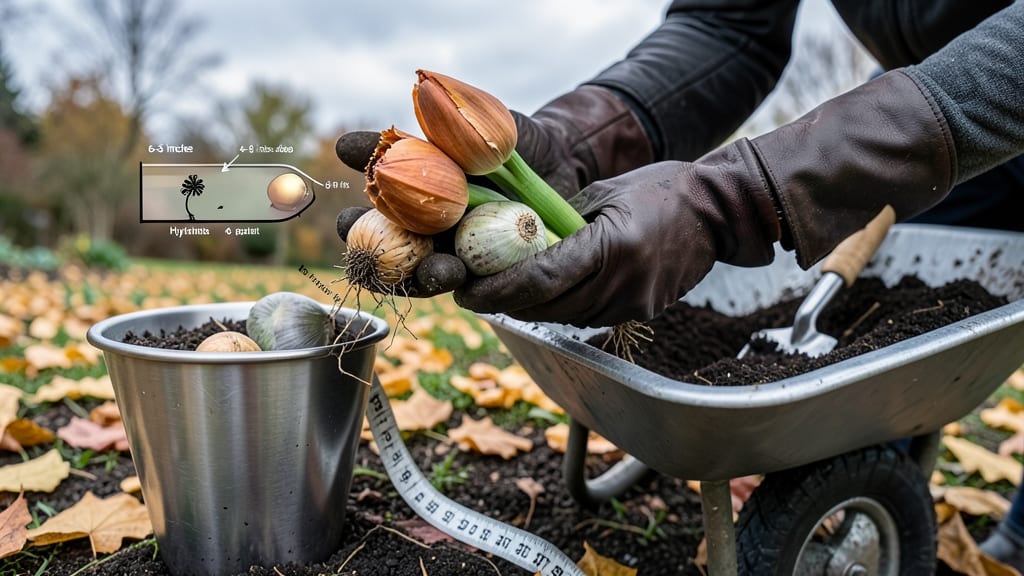
Planting spring flowering bulbs 🌷 like tulips and daffodils at the wrong time in Iowa can mean the difference between a show-stopping spring garden and a disappointing flop.
The key to success lies in understanding your local frost dates and soil conditions—because those 6-8 weeks before the ground freezes aren't just a suggestion, they're your golden window.
Iowa's USDA zones 5a-5b demand precision, especially when you're dealing with bulbs that need to root before winter sets in. Too early, and they'll rot; too late, and they won't establish properly.
But here's the good news: with the right timing and a few simple prep steps, you can transform your yard into a vibrant springtime spectacle that neighbors will envy.
I'll walk you through exactly when to plant each type of bulb—from September through October—and how to adjust for Iowa's unpredictable weather. We'll cover soil prep, frost dates, and even how to spot common mistakes before they happen.
By the end, you'll have a foolproof plan that makes bulb planting effortless.
Ready to turn your garden into a seasonal masterpiece? Let's dive into the perfect planting schedule for Iowa's climate, so you can enjoy those first blooms come April without a single worry.
Iowa bulb planting calendar by frost dates and variety type
Iowa's USDA Zones 4-5 demand precise timing for bulb planting, where a 6-8 week window before frost separates success from failure. Most spring-flowering bulbs like tulips and daffodils need to root before winter, while fall-planted varieties like crocus and hyacinths have slightly different deadlines.
Understanding your last frost date (typically April 15) and first frost date (October 15) is critical—plant too early, and bulbs may sprout before winter; too late, and they won’t establish roots.
Northern Iowa (Zone 4a) has a shorter growing season (only 165 frost-free days), so bulbs must go in the ground by mid-October at the latest. Southern Iowa (Zone 5b) offers a 2-week buffer, allowing planting until late October.
Always check local Iowa State University Extension resources for your exact county’s frost dates—these can vary by 5-7 days even within the state.
Soil temperature is your best guide: aim for 60°F (15°C) at planting depth (6 inches deep). Use a soil thermometer to confirm—cool soils delay root growth, while warm soils (above 70°F) can cause bulbs to sprout prematurely. In Iowa, this usually aligns with late September to early October, but August planting is possible in southern Iowa for heat-tolerant varieties like dahlias or canas.
| Bulb Type | Ideal Planting Window | Depth | Spacing | Notes for Iowa |
|---|---|---|---|---|
| Spring-Flowering (Tulips, Daffodils, Hyacinths) | September 15–October 15 | 6 inches | 3–6 inches apart | Northern Iowa: Plant by October 1. Use mulch (3–4 inches) after planting. |
| Fall-Planted (Crocus, Snowdrops, Allium) | September 1–October 10 | 4–6 inches | 2–4 inches apart | Hardy to Zone 3; can bloom through light snow. |
| Summer-Flowering (Dahlias, Canas, Gladiolus) | May 1–June 1 (after last frost) | 4–6 inches (tubers) | 6–12 inches apart | Southern Iowa only; not winter-hardy—dig up tubers in fall. |
| Perennial (Peonies, Allium) | September 1–October 15 | 2–3 inches (shallow) | 3–4 feet apart (peony) | Peonies take 2–3 years to bloom; no summer water for best flowers. |
For container gardening, adjust timing by 2 weeks earlier—pots heat up faster and dry out quicker. Use well-draining mix with perlite or sand to prevent rot, and plant shallow-rooted bulbs (like crocus) in 3-inch pots with drainage holes.
Southern exposures in containers can push planting back by 1 week, while northern exposures may require earlier planting to compensate for cooler soils.
Iowa’s clay-heavy soils can delay planting if they’re still saturated from spring rains. Test soil moisture by squeezing a handful—if it forms a temporary ball, it’s ready. Amend with compost or sand to improve drainage, especially in low-lying areas where water pools.
Raised beds warm up faster and dry out quicker, making them ideal for late-season planting (up to November 1 in southern Iowa) if using cold-hardy varieties like siberian squill.
One common mistake is planting bulbs too shallow—Iowa’s freeze-thaw cycles can heave bulbs out of the ground if not buried 6+ inches deep. Use a trowel or bulb planter to create deep holes, especially in sandy soils where bulbs can dry out.
Mark planting spots with biodegradable flags to avoid disturbing them during winter snow shoveling.
Pro tip: Chill bulbs for 6–8 weeks in your fridge (not freezer) before planting if purchasing early in summer. This mimics Iowa’s natural fall cooling and encourages stronger roots.
Store bulbs in a cool, dark place (like a garage) until planting day, and avoid refrigerating after mid-September to prevent premature sprouting.
🌱
How to adjust planting times for Iowa's microclimates and soil conditions
Iowa's variable climate means your neighbor's perfect bulb planting time might not work for you. Urban heat islands in Des Moines can delay frost by 1-2 weeks compared to rural areas, while northern Iowa's colder microclimates may need earlier adjustments.
Always check your last frost date—typically April 15 in southern Iowa but May 1 in the north.
For clay-heavy soils common across Iowa, amend with compost or sand before planting to improve drainage. Bulbs rot quickly in soggy conditions, so raised beds are ideal for problem areas. Test your soil's drainage by digging a hole—if water pools after 6 hours, amend immediately.
Bulbs planted too early (before 60°F soil) may sprout prematurely and freeze back in winter. In windy areas like western Iowa, use windbreaks or plant near fences to protect emerging shoots. Containers freeze faster than in-ground soil, so plant 2-3 weeks later than ground planting times.
Adjust timing for containers—they freeze faster than in-ground soil. Plant 2-3 weeks later than ground planting times, and use insulated pots or bury containers halfway in the ground for winter protection.
In southern Iowa's milder microclimates, you might extend planting into early November, but avoid planting after the first frost.
For shady spots, choose tolerant varieties like daffodils or crocuses, which bloom earlier than sun-loving tulips. In partial shade, plant bulbs 1-2 weeks earlier to take advantage of cooler soil temperatures. Mulch with 3-4 inches of straw after planting to insulate roots and regulate soil temperature.
Monitor soil temperature with a soil thermometer—ideal planting occurs when temps drop to 60°F. In urban gardens, pavement radiates heat, potentially delaying frost. Use shade cloth or plant in north-facing beds to mimic cooler rural conditions if needed.
Finally, mark your calendar for Iowa State University Extension's local frost alerts. Their garden guides provide county-specific adjustments, accounting for Iowa's 100+ mile climate variations. When in doubt, err on the side of planting later—bulbs survive winter better than they do soggy spring soil.