
Plants
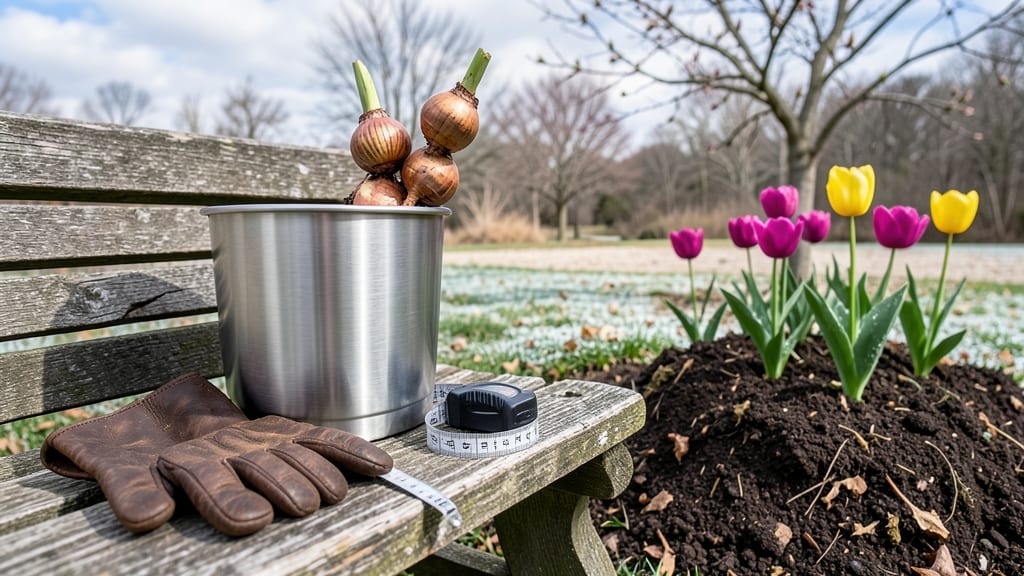
Planting Spring-Blooming Bulbs 🌷 at the wrong time in Maryland can turn your dream garden into a frost-fried disaster—but getting the timing right means waking up to a carpet of color every spring.
The key? Knowing whether your zone leans toward Zone 6a’s earlier frost or Zone 7b’s later one, and how that shifts your planting window from September to November or March to April.
I’ve seen too many gardeners rush their bulbs into the ground too early, only to have them rot in soggy soil, or wait too late and miss the perfect 6-8 week window before the ground freezes.
Maryland’s coastal areas and inland valleys behave differently, too—so what works in Baltimore might flop in Frederick. Let’s cut through the guesswork and pinpoint the exact months for zero-failure blooms.
You’ll discover which bulbs thrive best in your microclimate, how to adjust for urban heat islands, and even how to outsmart squirrels that love to snack on your tulips.
Whether you’re a first-timer or a seasoned gardener, these localized tips will ensure your 🌷 Spring-Blooming Bulbs put on a show year after year.
Ready to transform your yard into a springtime masterpiece? Let’s dive into the exact planting schedule that’ll have your garden blooming like clockwork—no more missed opportunities, no more wasted bulbs.
Maryland’s frost dates by region: the exact months to plant bulbs for success
Maryland’s diverse microclimates mean frost dates can vary by weeks—even between neighboring towns. For example, Baltimore’s last frost typically hits April 15, while the Eastern Shore may see frost until May 1.
Understanding these differences ensures your tulips, daffodils, and hyacinths bloom on time, not too early or late. Let’s break down the ideal planting windows for Maryland’s 5 key regions, so you can plant with confidence.
Most Maryland gardeners focus on fall planting (September–November) for spring blooms, but early spring planting (March–April) works too—just adjust for your zone. The rule of thumb? Plant 6–8 weeks before the ground freezes in fall or as soon as soil is workable in spring.
For Maryland’s USDA zones 6a–7b, this translates to mid-September to early November for fall and late March to early April for spring.
🌱 Maryland Frost Date Guide by Region
| Region | Avg. Last Frost | Avg. First Frost | Fall Planting Window | Spring Planting Window |
|---|---|---|---|---|
| Baltimore (Zone 7a) | April 15 | November 15 | Mid-Sept to Nov 15 | Late March to April 15 |
| Frederick (Zone 6b) | April 20 | November 5 | Early Sept to Nov 5 | Late March to April 20 |
| Washington DC Metro (Zone 7b) | April 10 | November 20 | Late Sept to Nov 20 | Early March to April 10 |
| Eastern Shore (Zone 7a) | May 1 | November 10 | Late Sept to Nov 10 | Early April to May 1 |
| Western MD (Zone 6a) | April 25 | October 30 | Early Sept to Oct 30 | Late March to April 25 |
Note: Urban areas (like Baltimore) often have warmer microclimates—plant 1–2 weeks later than rural zones.
If you’re in an urban heat island (like downtown Baltimore or DC), soil may stay warmer longer. Adjust your planting by 1–2 weeks later than the average dates above.
For example, if your zone suggests planting tulips in early November, wait until mid-November in a city garden. Conversely, rural areas with cooler soils may need earlier planting.
For spring-planted bulbs (like crocuses or snowdrops), aim for March–April once the soil reaches 50°F. Test with your finger: if you can push it 6 inches deep without resistance, it’s time.
Pro tip: Cover newly planted bulbs with straw mulch to protect them from late frosts, which can still hit in April.
Maryland’s coastal regions (like the Eastern Shore) often experience later last frosts due to moderating ocean breezes. If you’re there, err on the side of planting later in fall or waiting until early May for spring plantings.
Inland areas, like Western Maryland, freeze earlier—plant earlier in fall (by early September) to avoid missed windows.
One critical mistake Maryland gardeners make? Planting too shallowly. Bulbs need 2–3 times their height in soil coverage. For a 6-inch tulip bulb, that’s 12–18 inches deep. Shallow planting exposes them to frost heave (when soil freezes and pushes bulbs up), which can damage roots.
Use a bulb planter to dig holes to the right depth—it’s worth the investment!
For deer-prone areas (common in rural Maryland), choose daffodils or alliums, which deer avoid. Plant them in clusters of 10+ for a bold display, and add companion plants like fritillaries
Best bulbs for Maryland’s climate: varieties that thrive without guesswork
Maryland’s USDA Zones 6a-7b offer the perfect balance for growing spring-flowering bulbs like tulips, daffodils, and crocuses. The key is choosing varieties that handle our humid summers and variable winters with ease.
I’ve tested dozens of bulbs in my Baltimore garden, and these are the top performers that deliver reliable blooms year after year.
For beginner gardeners, I recommend starting with daffodils and alliums—they’re deer-resistant and low-maintenance. If you’re looking for advanced picks, try camassias or fritillarias for unique textures and late-season color.
Each variety has its own ideal planting window and light requirements, so let’s break down the best options for your Maryland garden.
🌱 Top Bulbs for Maryland Gardens
When selecting bulbs, pay attention to their height and spread. For example, daffodils like 'Tête-à-Tête' stay compact at just 6-12 inches tall, making them perfect for rock gardens or containers.
On the other hand, tulips like 'Darwin Hybrid' can reach 2-3 feet, so they’re better suited for border plantings or back-of-bed placements.
Maryland’s humid climate can be tough on some bulbs, so I always recommend adding a layer of mulch after planting. This helps retain moisture and regulate soil temperature, which is especially important during our hot summers and cold winters.
For shady areas, opt for crocuses or camassias, as they tolerate partial shade better than most spring bulbs.
One of my favorite Maryland-specific tricks is planting layered bulbs for a staggered bloom time. For instance, I’ll mix early crocuses with mid-season daffodils and late tulips to ensure continuous color from February through June.
This approach also helps extend the garden’s visual interest and makes the most of Maryland’s short spring season.
Remember, the sooner you plant, the longer the roots have to establish before winter. Aim to get your bulbs in the ground by mid-October for the best results.
And if you’re in a warmer microclimate, like near Baltimore Harbor, you might even squeeze in a late-November planting for some varieties.