
Plants
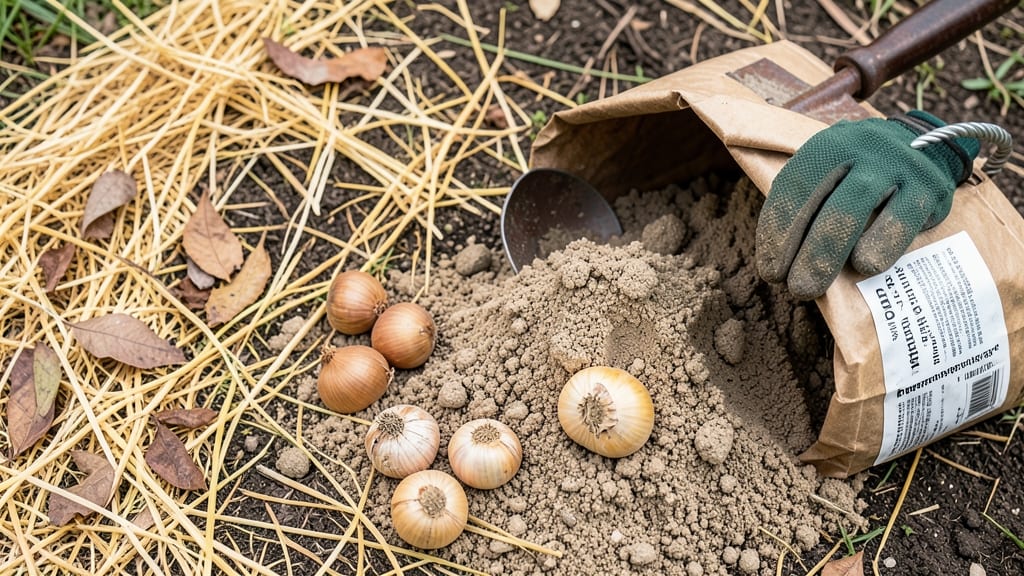
Planting bulbs at the wrong time in Oklahoma can mean waiting months—or worse, no blooms at all. The key to success lies in understanding your microclimate and acting before the ground freezes, typically by November 15 in most zones.
Whether you're in the chilly Panhandle (Zone 6b) or the milder Cross Timbers (Zone 8a), timing matters more than you think. Fall is the prime window for tulips, daffodils, and crocuses, but even late-winter varieties like rain lilies need precise scheduling to thrive.
I’ll break down the exact deadlines for your region, plus soil prep tips to ensure your 🌱 bulbs survive Oklahoma’s unpredictable winters. No more guesswork—just vibrant blooms come spring.
Ready to transform your garden? Let’s dive into the step-by-step guide that’s worked for Oklahoma gardeners for years.
Oklahoma’s microclimate planting zones: when to plant bulbs by region
Oklahoma’s diverse climate—from the freeze-prone Panhandle to the warmer Cross Timbers—means your bulb-planting deadline isn’t one-size-fits-all. Each of the state’s 6 USDA zones (6b-8a) has unique frost risks and soil temperatures that dictate the perfect window for tulips, daffodils, and crocuses.
I’ve mapped out the exact deadlines for each region, based on when soil temps drop to 40-50°F—the ideal range for root establishment before winter. Miss these, and your bulbs may rot or fail to bloom. Let’s dive into your local zone’s critical planting window.
🌱Visual Guide: Use the table below to find your zone and the last day to plant bulbs for spring blooms.
| Zone | Region | Last Planting Date | First Frost Date | Soil Temp Trigger | Best Bulbs |
|---|---|---|---|---|---|
| 6b | Panhandle | November 1 | November 15 | 40°F | Tulips, Crocus, Hyacinths |
| 7a | West/North Central | November 15 | November 30 | 45°F | Daffodils, Alliums, Snowdrops |
| 7b | East Central | December 1 | December 10 | 48°F | Rain Lilies, Spider Lilies |
| 8a | Southeast/Cross Timbers | December 15 | December 25 | 50°F | Mexican Poppies, Gladiolus |
If you’re in Zone 6b (Panhandle), aim to plant by November 1—any later, and your tulips may not survive the harsh winters. Meanwhile, gardeners in Zone 8a (Southeast) have until December 15, thanks to milder winters.
Pro tip: Check soil temps with a soil thermometer—wait until it’s consistently below 60°F at night before planting. This ensures roots establish before the ground freezes.
For late-winter bloomers like rain lilies, you can even plant as late as January-February in Zones 7b and 8a. These heat-loving bulbs thrive when planted after the worst frost risk has passed.
🌿Regional Note: The Cross Timbers (Zone 8a) often sees earlier springs than the Panhandle. Use this to your advantage—plant daffodils in December for March blooms.
Missed the fall window? Don’t panic. Spring planting is possible for heat-tolerant bulbs like caladiums or elephant ears, but these won’t bloom until the following year. Prioritize fall planting for spring color.
✂️Action Step: Mark your calendar for your zone’s last planting date and set a reminder to prep your soil 2-3 weeks early. Next up: soil prep tips to ensure your bulbs thrive.
Critical fall planting checklist: soil prep, bulb depth, and frost-proofing tips
Now that you’ve nailed your planting window, the next step is preparing your soil and bulbs for Oklahoma’s unpredictable freeze-thaw cycles. Proper prep ensures your tulips, daffodils, and crocuses survive winter and burst into bloom next spring.
Start by testing your soil pH—most bulbs thrive in a range of 6.0-7.0. If your soil is too acidic, add lime; if it’s alkaline, mix in sulfur or peat moss.
Drainage is critical: bulbs rot in soggy soil. Amend heavy clay with compost or sand to improve aeration.
🌱Visual Guide: Follow this step-by-step checklist to prep your soil and plant bulbs correctly.
- Test soil pH (aim for 6.0-7.0) using a soil test kit. Adjust with lime or sulfur if needed.
- Loosen soil to a depth of 12 inches with a garden fork or tiller. Break up compacted layers.
- Add compost (2-3 inches) or aged manure to improve fertility and drainage. Mix well.
- Plant bulbs 6-8 inches deep, pointing the sharp end up. Spacing depends on bulb size: 3-6 inches apart for small bulbs, 6-8 inches for large ones.
- Water deeply after planting to settle soil and eliminate air pockets. Aim for 1 inch of water.
- Mulch heavily (3-4 inches) with straw or leaves to insulate bulbs from temperature swings. Remove mulch in early spring.
- Label your bulbs if planting mixed varieties. Use biodegradable markers to track what’s where.
For Zone 6b gardeners in the Panhandle, add an extra layer of mulch or a cloche to protect bulbs from harsh winds. In Zone 8a, focus on drainage—these areas can get waterlogged after heavy rains.
After planting, avoid fertilizing until early spring. Bulbs need to store energy over winter, not grow. A light 5-10-10 fertilizer in March will encourage robust foliage and blooms.
✂️Pro Tip: If you’re planting in containers, use a fast-draining mix with perlite or vermiculite. Place pots in a sheltered spot during winter to prevent cracking from freeze-thaw cycles.
🌿Final Note: Oklahoma’s late-winter thaws can trick bulbs into sprouting too early. If you see green shoots in January, cover them with mulch or a lightweight row cover to protect from refreezing.