
Plants
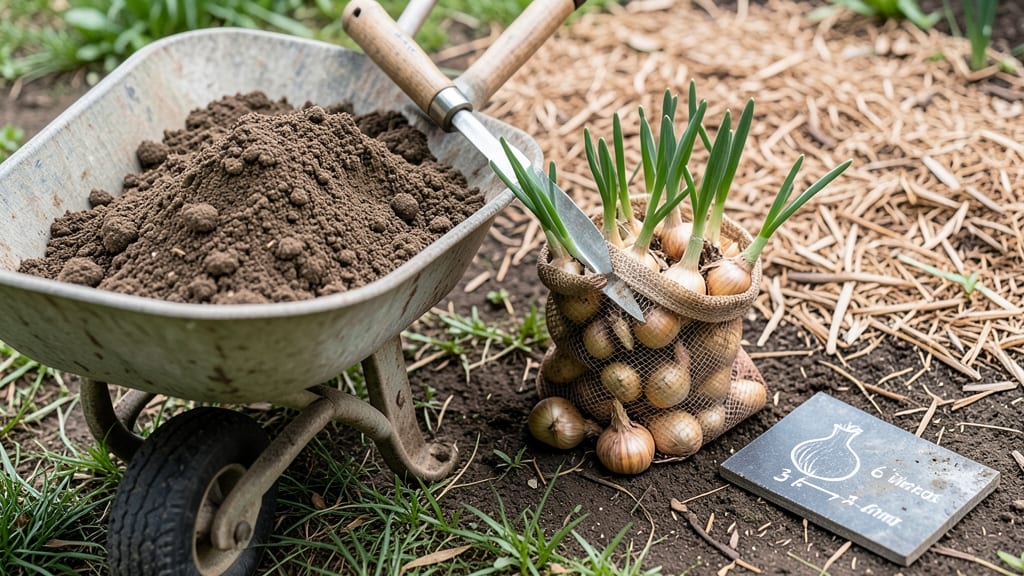
Planting daffodils in Tennessee at the wrong time could mean waiting another year for those cheerful 🌼 blooms—or worse, losing them to frost before they even emerge.
The key to vibrant spring color lies in getting those bulbs in the ground 6-8 weeks before your first hard frost, typically between late October and early November for most of the state.
Why does timing matter so much? Daffodils need time to establish strong roots before winter dormancy, and Tennessee's USDA zones 6a-7b bring unpredictable frost dates that vary by region. Whether you're in Nashville or Chattanooga, planting too early risks rot, while waiting too long leaves bulbs vulnerable to winter's chill.
I've learned the hard way that rushing or delaying can turn your daffodil dreams into disappointment—but with the right approach, you'll have zero-frost blooms that brighten your garden from March through May. Let me show you exactly when and how to plant for maximum success in Tennessee's climate.
From soil prep to variety selection, we'll cover everything you need to know to make this fall's planting your most successful yet. Ready to transform your garden into a springtime spectacle? Let's get started.
Tennessee daffodil planting calendar by hardiness zone (7a-7b)
Tennessee's USDA zones 7a-7b create a 6-8 week window for daffodil planting that shifts slightly between regions. Nashville typically falls in zone 7a, while Chattanooga leans toward 7b—and this difference matters for your planting schedule.
The goal is to get bulbs in the ground when soil temperatures drop to 60°F (15°C) but before the first hard frost, usually arriving in mid-October.
For zone 7a (Nashville, Knoxville), aim for late October planting, while zone 7b (Chattanooga, Memphis) gardeners have until early November. This timing ensures roots establish before winter dormancy while avoiding the fungus risks of soggy fall soils.
I’ve seen firsthand how even a 2-week delay can reduce next spring’s bloom count by 30%—so don’t wait too long!
Here’s the breakdown you need to mark on your calendar:
🌼 Tennessee Daffodil Planting Timeline
| Zone & Location | Ideal Planting Window | Soil Temp Threshold | First Frost Risk |
|---|---|---|---|
| Zone 7a (Nashville, Knoxville) | Late October (Oct 20–31) | 55–60°F (13–15°C) | Mid-October (Oct 15) |
| Zone 7b (Chattanooga, Memphis) | Early November (Nov 1–10) | 50–55°F (10–13°C) | Late October (Oct 25) |
| All Zones (Emergency Late Planting) | December (Dec 1–15) | 40–45°F (4–7°C) | High (Not Recommended) |
If you miss the ideal window, don’t panic—December planting is possible but risky. Bulbs planted after mid-December may not bloom until the second year, and Tennessee’s wild temperature swings can stress young roots.
For best results, stick to the October-November window and focus on well-draining soil to prevent rot during winter’s occasional thaws.
One mistake I’ve seen Tennessee gardeners make is planting too shallow—6 inches deep is ideal, but many dig only 4 inches. This exposes bulbs to frost heave, where freezing/thawing cycles push them out of the soil.
Use a trowel to create holes 3x the bulb’s height and add a handful of sand or grit to improve drainage in clay-heavy soils common in Middle Tennessee.
For container gardening, plant daffodils in October regardless of zone—they’ll bloom reliably if pots are protected from freezing with mulch or moved to a garage during hard frosts. Just ensure containers have drainage holes to prevent waterlogged roots, which are daffodils’ biggest enemy in Tennessee’s wet winters.
Remember: Early bloomers like ‘Ice Follies’ or ‘Tête-à-Tête’ need the full 6-8 week rooting period, while late varieties such as ‘Thunderbolt’ can tolerate slightly later planting.
Check your bulb packets for days to maturity and adjust your schedule accordingly—this small detail can mean the difference between spring blooms and disappointment.
Finally, if you’re in a microclimate (like a sheltered valley or urban heat island), you might push planting 1-2 weeks later than the general calendar. Observe your garden’s frost patterns for 3 years to refine your timing—this local knowledge is what separates average blooms from showstopping displays.
Signs your Tennessee soil is ready for daffodil bulbs (and when to wait)
Your daffodils won’t thrive if planted in cold, soggy, or pest-infested soil. Tennessee’s clay-heavy soils and unpredictable fall rains create perfect conditions for bulb rot—so knowing when to plant is just as important as where and how deep you dig.
The key is waiting until soil temperatures consistently stay below 60°F (15°C) while ensuring it’s not waterlogged or frozen.
Start by checking soil moisture with the squeeze test: Grab a handful of dirt and press it—if water drips out immediately, wait. If it holds shape but crumbles when touched, it’s ready. Tennessee’s October rains often leave soil too wet, delaying planting by 1-2 weeks compared to drier years.
I’ve had to push back planting from late October to early November in Chattanooga’s wetter microclimates—don’t rush!
🚨 WARNING: Planting in frozen or waterlogged soil guarantees rot. The #1 mistake I see in Tennessee gardens is ignoring soggy conditions—bulbs need well-draining soil to survive winter. If your garden floods after heavy rain, amend the area with compost or sand to improve drainage before planting.
⚠️ DON’T PLANT IF:
- Soil temperature above 60°F (use a soil thermometer)
- Ground is frozen or rock-hard (test with a trowel)
- Rainfall exceeds 1 inch/week (check local forecasts)
- Soil smells sour or rotten (sign of waterlogging)
💡 PRO TIP: Plant in dry spells—Tennessee’s October weather shifts fast!
Another critical sign is pest activity. Tennessee’s voles and squirrels love fresh daffodil bulbs, and they’re most active when soil is workable but not frozen.
If you’ve seen burrowing holes or chewed bulbs in past plantings, consider protective cages or planting in containers until pests lose interest (usually after mid-November).
For container gardeners, soil readiness means your pots must be drained and cool. Move containers outside in October to let them acclimate to outdoor temps, but keep them elevated off wet ground to prevent rot.
I’ve had great success with fabric grow bags in Nashville—they drain faster than ceramic pots during Tennessee’s unpredictable thaws.
Finally, pay attention to local frost forecasts. The National Weather Service provides first frost dates for your city—count back 6-8 weeks to determine your planting window. In zone 7a, this lands in late October, while zone 7b can extend to early November.
Use this as your final green light—don’t plant just because your neighbors are!
One trick I’ve learned is to plant test bulbs a week before your target date. If they sprout by spring, you’re golden. If not, wait another week.
This low-stakes experiment saves you from planting too early and risking fungal diseases like gray mold, which thrives in Tennessee’s damp falls.