
Plants
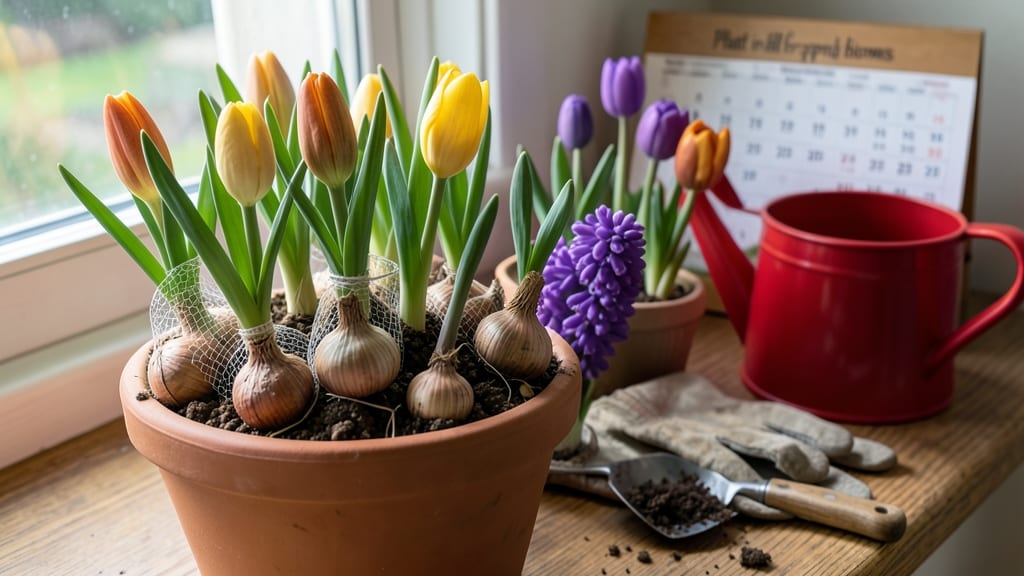
Planting bulbs in pots at the wrong time can mean the difference between a vibrant spring display and a sad, wilted mess—especially when frost sneaks in unannounced.
The key to success lies in understanding your local climate and the unique needs of Spring Flowering Bulbs (e.g., Tulip, Daffodil, Hyacinth) 🌷, which thrive when planted in containers 6-8 weeks before the first frost.
Unlike in-ground planting, containers warm up and cool down faster, making timing even more critical. If you live in USDA Zone 6a, like me, that window typically opens in early September and closes by mid-November—but regional variations can shift those dates dramatically.
Miss it, and your bulbs might rot before winter sets in.
I’ve learned the hard way that rushing or waiting too long can ruin months of anticipation. The good news? With the right seasonal strategy, you can extend your planting window, protect your bulbs from freezing, and even coax earlier blooms.
Let’s break down exactly when to plant for your zone—and how to adjust for containers.
Whether you’re a beginner or a seasoned gardener, these insights will help you avoid common pitfalls and ensure your 🌷 Spring Flowering Bulbs burst into color come spring. Ready to get started?
Best seasonal timing for planting bulbs in pots by climate zone
Timing is everything when planting spring-flowering bulbs in pots. Unlike in-ground planting, containers lose heat faster and are more vulnerable to frost damage. The general rule is to plant 6-8 weeks before your first frost date, but your USDA climate zone and bulb type will shift those deadlines.
For example, in USDA Zone 6a (like my garden), I plant between mid-September and mid-November—but if you’re in Zone 8 or warmer, you might extend planting into December or even January for winter-blooming varieties. Let’s break down the exact windows for each zone.
🚨 NON-NEGOTIABLE: Use the comparison table below to find your zone’s ideal planting window. Cold-hardy bulbs like daffodils and crocuses can handle late fall planting, while tender varieties like tulips need earlier timing to establish roots before frost.
If you’re unsure about your frost date, check your local National Weather Service or use the USDA Plant Hardiness Zone Map. I always double-check because a late frost can turn your tender tulip bulbs into a mushy mess.
For spring blooms, aim to plant in fall—this gives roots time to establish before winter. But if you’re growing summer-flowering bulbs like dahlias, plant in spring after the last frost. Containers warm up faster, so I often plant 2-3 weeks earlier than I would in the ground.
Pro tip: Use black pots to absorb heat in spring or white pots to reflect sunlight in summer. This small tweak can extend your planting window by 1-2 weeks in marginal zones.
🌱 Remember: Bulbs need 6-8 weeks of root growth before winter. If you’re in a warmer zone and plant late, your bulbs might not bloom as vigorously—or at all. Test your soil’s readiness by checking if it’s below 60°F (15°C) at planting time.
Finally, don’t forget that container size matters. Smaller pots (under 6 inches) dry out faster and may need an earlier planting window. I always opt for 10-12 inch pots to give roots room to spread.
How to adjust planting times for containers vs. garden beds
Containers change the game when it comes to planting bulbs. Unlike garden beds, pots heat up faster in summer and cool down quicker in winter—meaning your planting window can shift by weeks.
For example, I’ve found that bulbs in 10-inch pots often need planting 2-3 weeks earlier than in-ground to avoid frost damage, while larger containers (14+ inches) can handle slightly later dates.
The key difference is heat retention. Soil in containers stays warmer in fall, which can trick bulbs into sprouting too early.
To counteract this, I always plant cold-hardy varieties like daffodils in containers 3 weeks before my garden beds—usually by early September in Zone 6a. Tender bulbs like hyacinths go in last, around mid-October, to avoid winter rot.
🌱 Key Takeaway: Container Adjustments
- Smaller pots (6-10"): Plant 2-3 weeks earlier than garden beds
- Larger pots (14"+): Can match garden bed timing
- Black pots: Heat up faster—plant 1 week earlier
- White pots: Stay cooler—plant 1 week later
- Drainage holes: Essential—prevents winter rot in containers
⏰ Pro Tip: Use thermometer probes to check soil temps—aim for 50-60°F at planting time.
Another critical factor is drainage. Containers without drainage holes become soggy in winter, leading to bulb rot. I’ve lost entire pots of tulips because I skipped this step—now I double-check before planting.
For extra protection, I add a 2-inch layer of gravel at the bottom of pots to improve drainage and prevent waterlogging during winter thaws.
Microclimates matter too. A pot on a sunny patio may need earlier planting than one in a shaded garage. I’ve successfully planted crocus bulbs in containers as late as December in sheltered spots, while garden beds in the same zone needed them in by November.
Always observe your specific location—containers amplify temperature swings.
For spring bloomers, the goal is to get bulbs planted 6-8 weeks before frost, but containers let you extend this window. In my experience, 1-gallon pots can handle planting up to 2 weeks later than garden beds because they retain some warmth.
Just monitor soil temps closely—if they’re still above 50°F, hold off.
Finally, don’t overlook pot size. A single daffodil bulb needs at least 3 inches of soil above and below it, but larger pots (12"+) let you plant multiple bulbs closer together, creating a denser display.
This also means you can plant later in the season because the extra soil acts as insulation.