
Plants
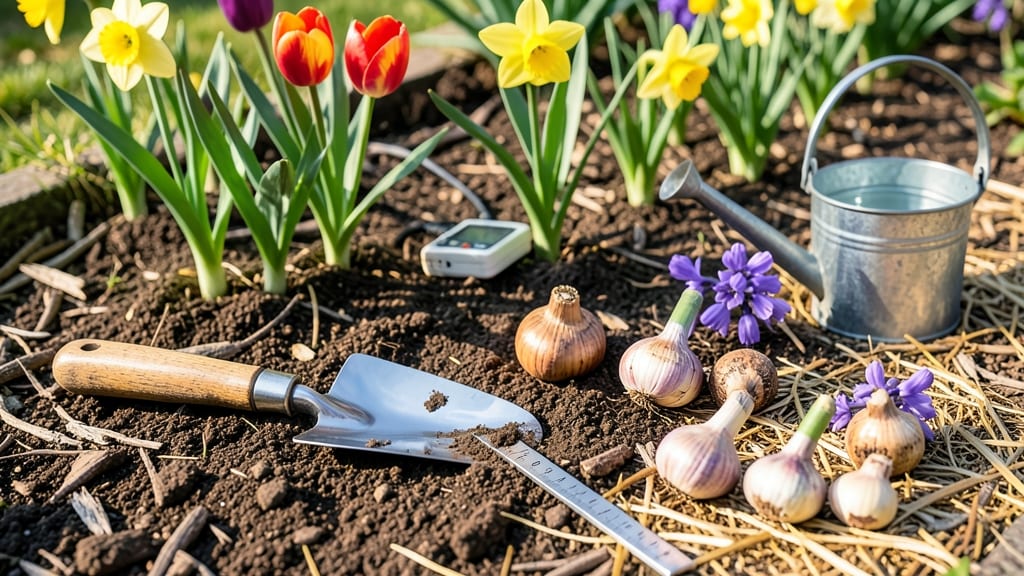
Planting bulbs in Zone 8a at the wrong time can mean the difference between a garden bursting with color and a wasted investment. The key isn’t just when to plant—it’s understanding your microclimate’s subtle shifts in temperature and frost patterns to maximize those zero-frost blooms you’ve been dreaming of.
Most gardeners in 8a know fall is the prime window, but the real magic happens in the details: coastal areas might handle December plantings, while inland spots need to get those 🌱 bulbs in the ground by early November.
I’ll break down the exact dates that work for your specific corner of Zone 8a, so you never miss another bloom season.
What you’ll discover here are the microclimate-specific strategies that let you extend your planting window—whether you’re dealing with sandy soil that drains too fast or heavy clay that holds moisture like a sponge.
We’ll also cover the best bulb varieties for 8a’s mild winters and how to prep your soil for success.
Ready to transform your garden into a springtime spectacle? Let’s dive into the timing, techniques, and troubleshooting tips that will have your bulbs thriving—no matter what Zone 8a throws at them.
Zone 8a bulb planting calendar: exact dates by microclimate type
In Zone 8a, where winters are mild but variable, your bulb planting success hinges on understanding your specific microclimate. Coastal areas stay warmer longer, inland zones drop faster, and urban heat islands create their own rhythms.
Let’s break down the exact planting windows for each type to maximize your spring blooms.
For coastal Zone 8a gardeners, the ocean’s moderating effect means you can plant bulbs 2-3 weeks later than inland areas. Aim for mid-to-late November for fall planting, as soil temperatures stay above 50°F longer. Inland zones should plant by early-to-mid November to avoid winter rains that can rot bulbs.
Urban gardeners face unique challenges with heat islands—soil stays warm longer, but nighttime temps can still dip. Plant early November for most bulbs, but prioritize late-blooming varieties like tulips and hyacinths to avoid summer heat stress.
Soil temperature is your best guide: bulbs need 60°F or below for 6-8 weeks to root before dormancy. Use a soil thermometer to confirm—plant when temps consistently drop below 65°F at 4-inch depth.
| Microclimate | Fall Planting Window | Soil Temp Threshold | Spring Planting Option? |
|---|---|---|---|
| Coastal | Mid-to-late November | 50–60°F (4-inch depth) | Yes (Jan–Feb for late bloomers) |
| Inland | Early-to-mid November | 55–65°F (4-inch depth) | No (risk of summer heat) |
| Urban Heat Island | Early November | 60–65°F (4-inch depth) | Partial (only hardy bulbs) |
🌱 Pro Tip: Test your soil’s drainage before planting—bulbs rot in waterlogged soil.
If you miss fall planting, Zone 8a’s mild winters allow limited spring planting for hardy bulbs like daffodils and alliums. Plant in January–February when soil temps drop below 60°F, but expect fewer blooms than fall-planted bulbs.
For zero-frost blooms, layer plant bulbs in fall and early winter. Start with early bloomers (e.g., crocus) in October, then add tulips and hyacinths in November for a staggered spring display.
Always adjust for local frost dates: check your average first frost (typically November 15 in Zone 8a) and plant 6-8 weeks prior. Use mulch (2–3 inches of straw) to insulate bulbs and extend their growing season.
Remember: Soil prep matters just as much as timing. Amend heavy clay with compost or sand, and ensure well-draining soil to prevent bulb rot—a common Zone 8a pitfall.
With these microclimate-specific dates, you’ll enjoy vibrant, reliable blooms year after year, even in Zone 8a’s unpredictable winters. Happy planting! 🌷
How to adjust planting dates for early vs. late bloomers in Zone 8a
Not all bulbs bloom at the same time, and in Zone 8a, this timing difference is your secret weapon for continuous spring color.
Early bloomers like crocus and snowdrops need planting in late fall (November) to push through early frost, while late bloomers like tulips and daffodils can wait until early winter (December). The key is matching chilling requirements with your local frost patterns.
For spring-blooming bulbs, aim to plant when soil temps hit 60°F or below—typically 6-8 weeks before your first frost. In most of Zone 8a, this lands in October-November, but coastal areas can push planting into early December thanks to milder winters.
Use a soil thermometer to confirm—50-60°F is ideal for root establishment.
Layered planting is my go-to trick for extending bloom time. Plant early bloomers first (November), then add mid-season (December), and finally late bloomers (January) in the same bed. This creates a staggered bloom sequence from February through April. Just be sure to mark your rows—forgetting what’s where is a common mistake!
Crocus, Snowdrops, Winter Aconite
📍 Plant 6-8 weeks before frost (Nov 1-15)
Tulips, Daffodils, Hyacinths
📍 Plant 4-6 weeks before frost (Dec 1-15)
Alliums, Fritillaries, Grape Hyacinths
📍 Plant 2-4 weeks before frost (Jan 1-15)
Use bulb chilling trays for spring-planted bulbs to simulate winter dormancy.
Zone 8a’s variable frost patterns mean you’ll need to adjust based on your specific microclimate. Inland areas with colder winters should plant earlier (late October), while coastal zones can wait until mid-November.
Pay attention to local frost alerts—a sudden cold snap can damage newly planted bulbs. If frost hits before roots establish, mulch heavily with straw to insulate.
For spring-planted bulbs (like rain lilies or caladiums), timing shifts to late winter (February) when soil warms to 60°F+. These bulbs skip dormancy and bloom in summer/fall, filling gaps left by spring bloomers.
Just remember: spring-planted bulbs need consistent moisture—they won’t tolerate dry spells like their fall-planted cousins.
My Zone 8a garden now boasts blooms from February through June thanks to this layered approach. Start with one variety per month, track your local frost dates, and don’t be afraid to experiment—some bulbs (like Spanish bluebells) even thrive with minimal chilling in mild winters.
The right timing turns your garden into a year-round color show!