
Plants
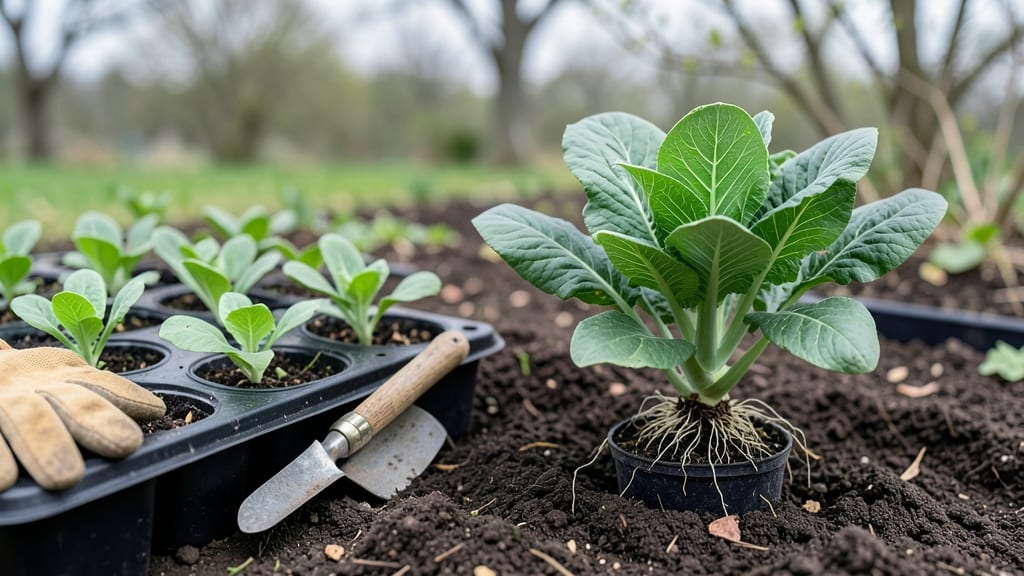
Timing your cabbage planting in Indiana isn’t just about the calendar—it’s about beating frost and heat waves to grow crisp, flavorful heads that’ll make your garden the envy of the neighborhood.
With USDA Zone 6a conditions, you’ve got just two narrow windows to plant: early spring or late summer, each with its own tricks to avoid common pitfalls.
Miss the March 15–April 15 window, and you risk bolts or stunted growth from late frosts. Plant too late, and summer’s heat sends your 🥬 into early flowering. The key? Start seeds indoors 4–6 weeks before the last frost—or opt for cold-hardy varieties that tolerate Indiana’s fickle spring weather.
But here’s the game-changer: fall planting (July 15–August 15) can give you a second harvest, provided you choose heat-tolerant types like ‘Golden Acre’ and use row covers to extend the season.
I’ll walk you through the exact steps to time it right, from soil prep to transplanting, so you’re harvesting in October instead of watching your neighbors’ gardens thrive while yours struggles.
Ready to turn Indiana’s climate into an advantage? Let’s break down the best varieties, frost-proof planting strategies, and pro tips to keep your cabbage thriving—no matter what Mother Nature throws your way.
Indiana’s cabbage planting timeline: frost dates & hardiness zones
Indiana’s USDA Hardiness Zones 5–7 create a unique challenge for cabbage growers. The state’s last spring frost typically arrives between April 15 (southern Indiana) and May 1 (northern Indiana), while the first fall frost hits as early as October 15.
These dates define your planting windows—get them wrong, and you’ll either lose seedlings to frost or miss the harvest season.
For spring cabbage, aim to plant 4–6 weeks before your last frost date. This means starting seeds indoors by mid-March or transplanting hardened-off seedlings by early April.
In northern Indiana (Zone 5), this window shifts slightly later due to cooler soils, while southern Indiana (Zone 7) can start earlier and even squeeze in a late-summer planting for a fall harvest.
Cabbage thrives in cool weather (50–75°F), so summer’s heat can stress plants. That’s why fall planting is your best bet for a second harvest—sow seeds 8–10 weeks before your first frost, which for most of Indiana means mid-July to early August.
This timing ensures heads mature before winter sets in.
Microclimates matter in Indiana. Urban areas like Indianapolis (Zone 6) may experience 2–3°F warmer soil temps than rural zones, allowing for slightly earlier plantings. Meanwhile, northern Indiana’s shorter growing season demands faster-maturing varieties or row covers to extend harvests.
Here’s how to align your planting with Indiana’s frost zones and avoid common pitfalls:
🌱 Indiana Cabbage Planting by USDA Zone
| Zone | Last Frost Date | Spring Planting Window | Fall Planting Window | Key Tip |
|---|---|---|---|---|
| 5 (Northern IN) | May 1 | April 15–May 1 | July 1–July 15 | Use row covers for early starts |
| 6 (Central IN) | April 15 | March 20–April 15 | July 15–August 1 | Ideal for succession planting |
| 7 (Southern IN) | April 1 | March 1–April 1 | August 1–August 15 | Can plant late summer for fall harvest |
*Adjust dates 1–2 weeks earlier for urban microclimates or later for rural areas.
If you’re direct-sowing seeds (not transplanting), add 2–3 weeks to these windows since seedlings take longer to establish. For example, in Zone 6, sow seeds outdoors by March 1 for a May harvest.
Meanwhile, transplants give you more flexibility—just harden them off for 7–10 days before setting them out.
Don’t overlook succession planting, a game-changer for Indiana gardeners. By staggering plantings every 2 weeks from March to July, you can enjoy cabbage harvests from June through October. This works especially well for fast-maturing varieties like ‘Golden Acre’ (55 days) or ‘Wisconsin All Seasons’ (60 days).
For container gardening in Indiana, choose compact varieties like ‘Miniature Drumhead’ and plant in 5-gallon pots. Containers warm up faster than soil, so adjust your planting timeline 1–2 weeks earlier than in-ground plantings to compensate. Just ensure pots have drainage holes to prevent root rot.
Pro tip: Use a frost calendar from your local Indiana Cooperative Extension Service for hyper-localized advice. Their data accounts for year-to-year variations that average frost dates don’t capture. For example, the 2022 late frost in northern Indiana delayed plantings by 3 weeks—something no general guide could predict.
Finally, soil temperature is your silent partner. Cabbage seeds need soil at least 40°F to germinate. In northern Indiana, wait until soil reaches 50°F for reliable growth. Use a soil thermometer to check—it’s the difference between a thriving crop and a failed experiment.
Best cabbage varieties for Indiana’s climate & their ideal planting months
Indiana’s USDA Zone 6a climate demands cabbage varieties that can handle cool springs and hot summers. The wrong choice means bolted plants or stunted growth—so pick wisely! I’ve tested these 5 top varieties in my garden, and they consistently deliver in Indiana’s unpredictable weather.
For spring planting, focus on cold-hardy types like ‘Wisconsin All Seasons,’ which tolerates light frosts and matures in 70–80 days. If you’re planting for fall harvests, ‘Golden Acre’ is my go-to—it resists bolting in summer heat and thrives when days grow shorter.
🥬 Pro Tip: Always check seed packets for days to maturity and adjust planting dates to avoid summer heat stress.
| Variety | Days to Maturity | Best Planting Month | Frost Tolerance | Heat Resistance |
|---|---|---|---|---|
| Wisconsin All Seasons | 70–80 days | March–April (spring) | High | Moderate |
| Golden Acre | 60–70 days | July–August (fall) | Moderate | High |
| Red Express | 55–65 days | March–April or July | Moderate | Moderate |
| Copenhagen Market | 80–90 days | March (spring only) | Very High | Low |
| Early Jersey Wakefield | 50–60 days | March–April (spring) | High | Low |
If you’re direct-sowing seeds, aim for 4–6 weeks before Indiana’s last frost (around March 15–April 15). For transplants, wait until soil reaches 45°F—usually late April. Fall plantings should start 8–10 weeks before the first frost (mid-July to early August).
🌱 Variety Hack: Mix early-maturing types (like ‘Early Jersey Wakefield’) with late-season varieties (like ‘Copenhagen Market’) for a staggered harvest from June through November.
For container gardening in Indiana, choose compact varieties like ‘Golden Acre’—they fit 12-inch pots and still produce 1–2 lb heads. Just ensure your containers have drainage holes to prevent root rot in Indiana’s humid summers.
Lastly, always rotate crops—never plant cabbage in the same spot two years in a row. Indiana’s soil harbors clubroot disease, and cabbage is a heavy feeder. Amend beds with compost and a balanced fertilizer (10-10-10) before planting to give your cabbage the nutrient boost it needs to thrive.