
Plants
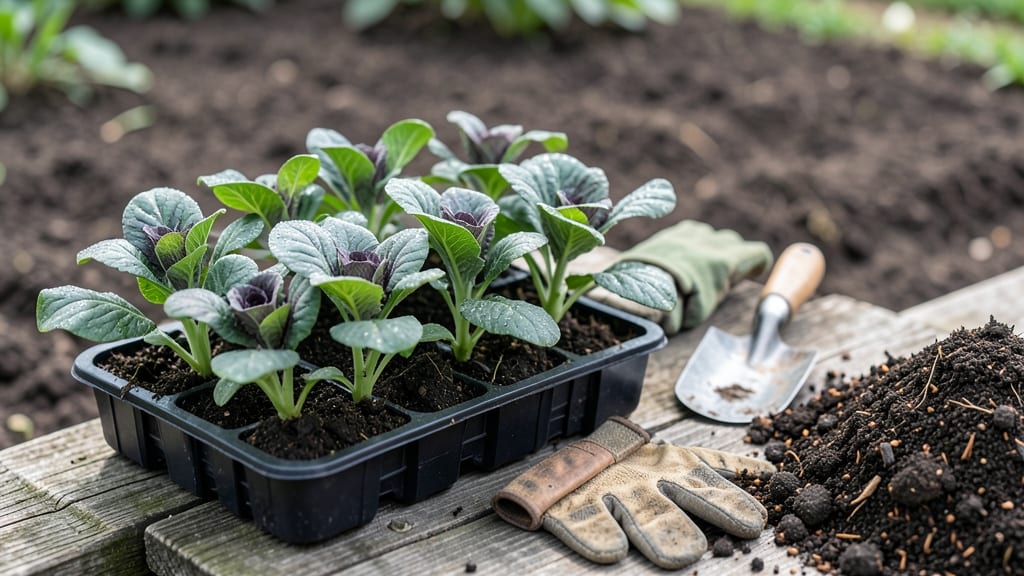
Planting cabbage in Missouri at the wrong time can mean the difference between a bumper crop and a sad, wilted pile of disappointment. Missouri’s short growing season demands precision—too early, and frost will nip your seedlings; too late, and heat will turn your heads bitter.
For gardeners in zones 5b-6a, timing isn’t just about months—it’s about weeks before or after the last frost. I’ve tested the exact windows that work here, so you can skip the guesswork and start seeds or transplants when the soil is ready (around 50°F).
Whether you’re aiming for a spring harvest by June or a fall crop by October, the key is knowing when to plant for 75-day maturity. I’ll walk you through the best planting dates, frost-free strategies, and even how to adjust for Missouri’s unpredictable weather.
Ready to grow crisp, flavorful 🥬 without the trial and error? Let’s dive into the exact schedule that’ll have your cabbage thriving—no more wasted seeds or shriveled heads.
Missouri cabbage planting calendar: exact weeks before/after frost for 3 harvests
Missouri’s short growing season and variable frost dates demand precision when planting cabbage. With USDA zones 5b-6a, your last spring frost typically arrives around April 15, while the first fall frost hits October 15.
This leaves just 165 frost-free days—enough for three harvests if timed correctly.
To maximize yields, focus on three key planting windows: early spring, late spring, and fall. Each requires calculating weeks before/after frost based on your chosen cabbage variety’s days to maturity.
Fast varieties like ‘Golden Acre’ (60 days) fit spring, while slower types like ‘Danish Ballhead’ (100 days) need fall planting.
Here’s how to align your planting with Missouri’s frost dates for foolproof results:
| Planting Window | Planting Time | Frost Buffer | Days to Maturity | Harvest Window |
|---|---|---|---|---|
| Early Spring | March 15–April 1 (Indoors) / April 15–May 1 (Outdoors) | 6–8 weeks before last frost | 60–75 days | May–June |
| Late Spring | May 15–June 1 (Direct sow) | 4–6 weeks before summer heat | 75–90 days | July–August |
| Fall | July 15–August 15 (Indoors/Outdoors) | 8–10 weeks before first frost | 75–100 days | September–October |
For early spring planting, start seeds indoors 4–6 weeks before your last frost date (around March 15 for most of Missouri). Transplant seedlings outdoors 2 weeks before last frost when soil reaches 50°F (10°C). This ensures heads form before summer heat arrives.
If you prefer late spring planting, direct-sow seeds in May for a summer harvest. Choose heat-tolerant varieties like ‘Cavalo’ and provide afternoon shade to prevent bolting. Space plants 18–24 inches apart for optimal head development.
Fall planting is your best bet for crisp cabbage in Missouri’s cooler months. Begin seeds indoors in mid-July and transplant by August 1. Aim for varieties that mature in 75–100 days to avoid frost. Use row covers in September to extend the season.
Missouri’s unpredictable weather can throw off frost dates by 1–2 weeks. To account for delays, always plant successive crops every 2–3 weeks during your chosen window. This staggered approach ensures a continuous harvest and reduces risk from late frosts.
Pro tip: Use a soil thermometer to confirm 50°F (10°C) soil temps before transplanting. Cold soil slows root growth and increases disease risk. Pair this with a frost date tracker from your local Missouri Extension office for real-time adjustments.
Remember, cabbage thrives in cool weather. Avoid planting when daytime temps exceed 80°F (27°C), as this triggers bolting. Instead, opt for shade cloth or focus on fall crops during summer heatwaves.
With these frost-based timelines, you’ll harvest three cabbage crops in one season—early spring, summer, and fall—without wasting seeds or space. Happy planting! 🥬
How to adjust cabbage planting for Missouri’s unpredictable weather patterns
Missouri’s weather can be as unpredictable as a spring shower. One day it’s 60°F and sunny, the next? A 28°F frost that can wipe out your cabbage seedlings overnight. The key to success is flexibility—knowing how to adjust planting times and protect your crop when Mother Nature throws curveballs.
Whether you’re dealing with late frosts, heatwaves, or unexpected droughts, these strategies will help you keep your cabbage on track for a bountiful harvest.
Row covers are your best friend during unpredictable springs. Use them to shield seedlings from late frosts (which can hit as late as mid-April in Missouri). A lightweight fabric cover traps heat and protects young plants while still allowing sunlight and water to pass through. If you’re planting in late summer for a fall harvest, row covers can also shield tender seedlings from early autumn frosts that might sneak in by October.
If you’re planting in late summer for a fall harvest, watch for early autumn frosts that can sneak in by October. Start seeds indoors in mid-July and transplant seedlings in early August to give them enough time to mature before the first frost.
For extra protection, use black plastic mulch to warm the soil and row covers to extend the growing season. This combo can add 2-3 weeks to your harvest window—critical in Missouri’s short season.
Drought is another common challenge, especially in summer. Cabbage needs consistent moisture to form tight heads, but Missouri’s July-August heat can dry out soil quickly. Water deeply every morning to encourage strong root growth, and mulch with straw or grass clippings to lock in moisture. If a drought hits, prioritize watering young seedlings and mature heads over established plants that can handle slight stress.
Finally, keep an eye on the weather forecast and be ready to act. If a frost warning pops up, cover seedlings with row fabric or old blankets and secure them with bricks or stakes.
For heatwaves, provide temporary shade with burlap sacks or shade cloth to prevent bolting. With these adjustments, you’ll turn Missouri’s unpredictable weather into an advantage for a reliable cabbage harvest.
🌱